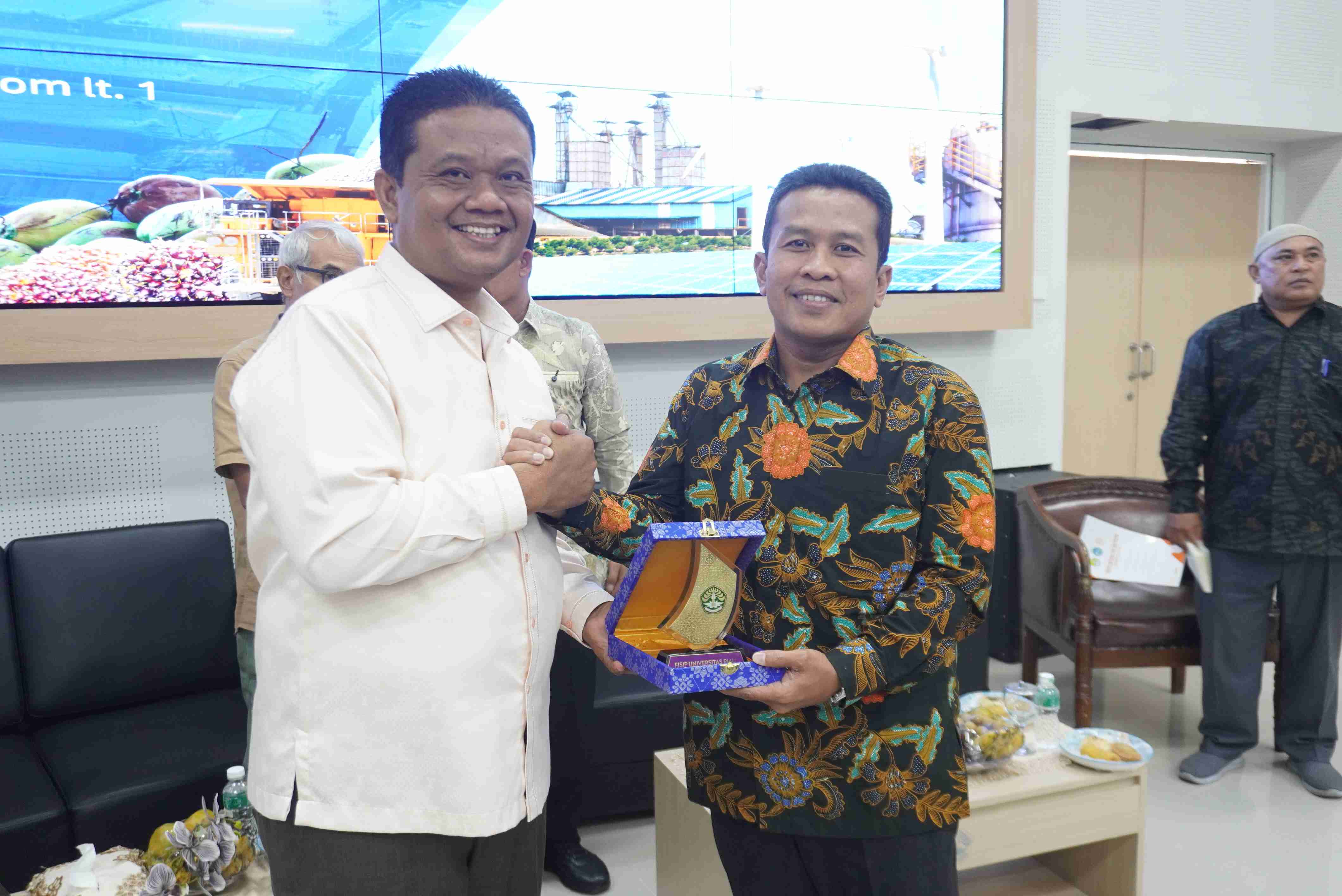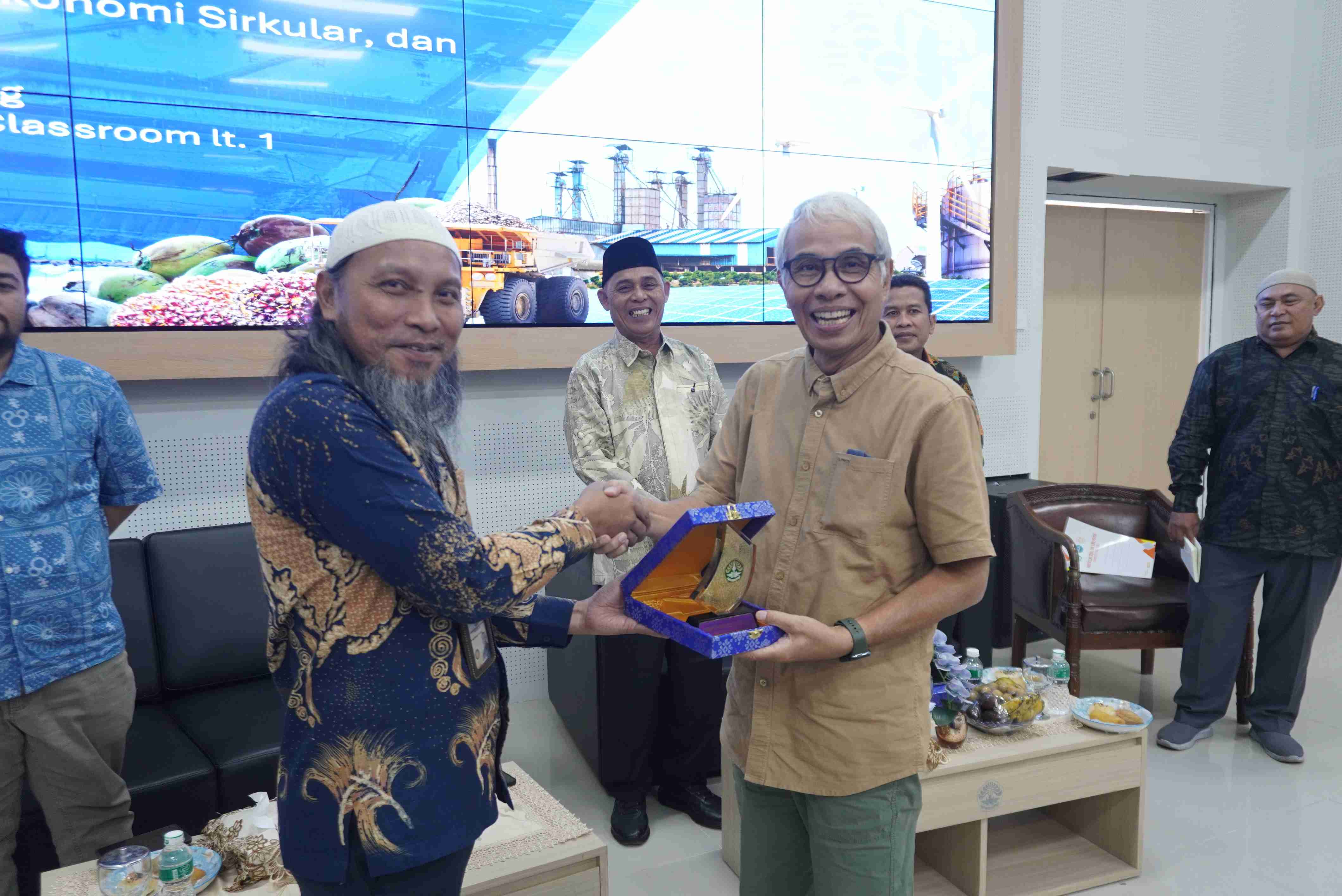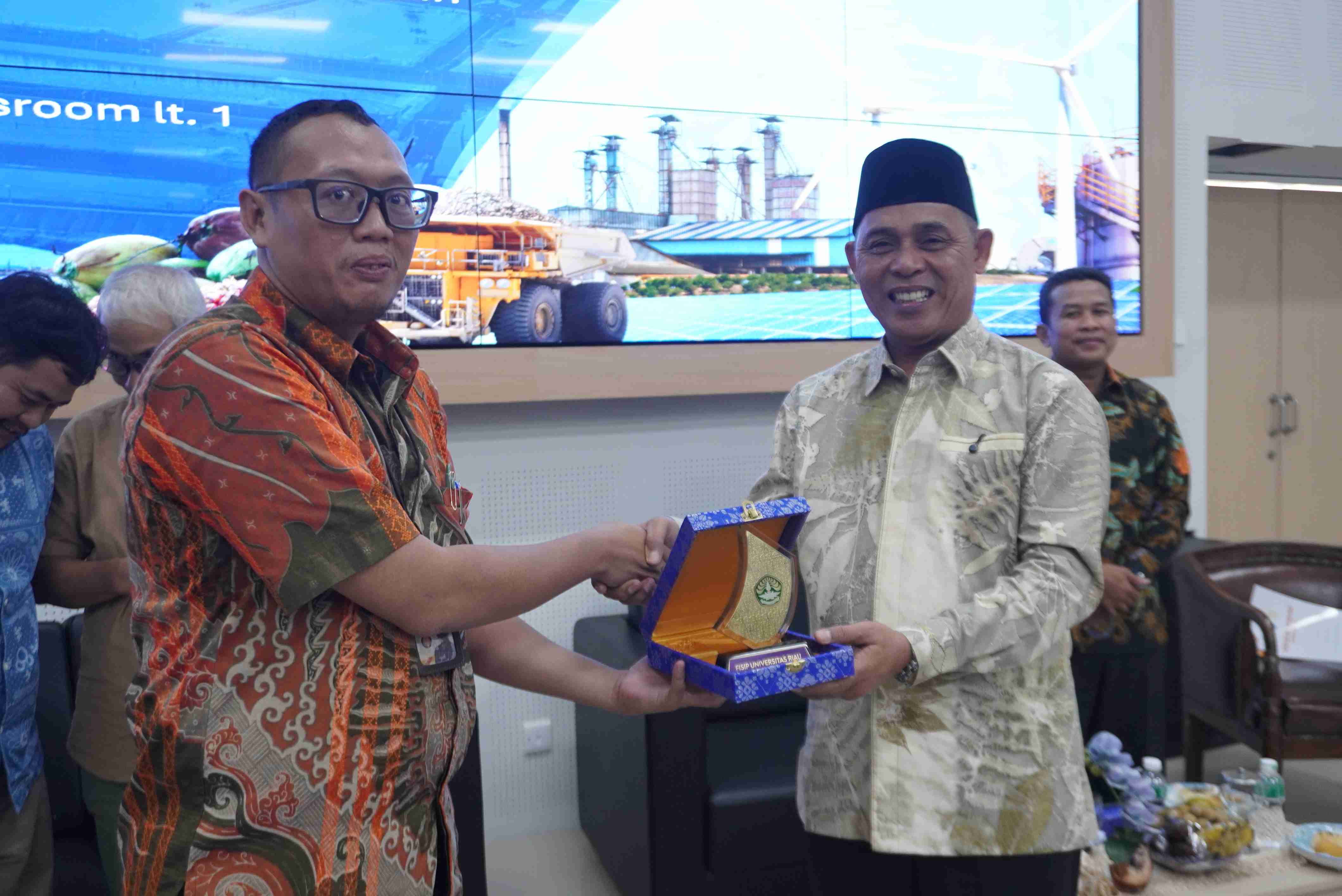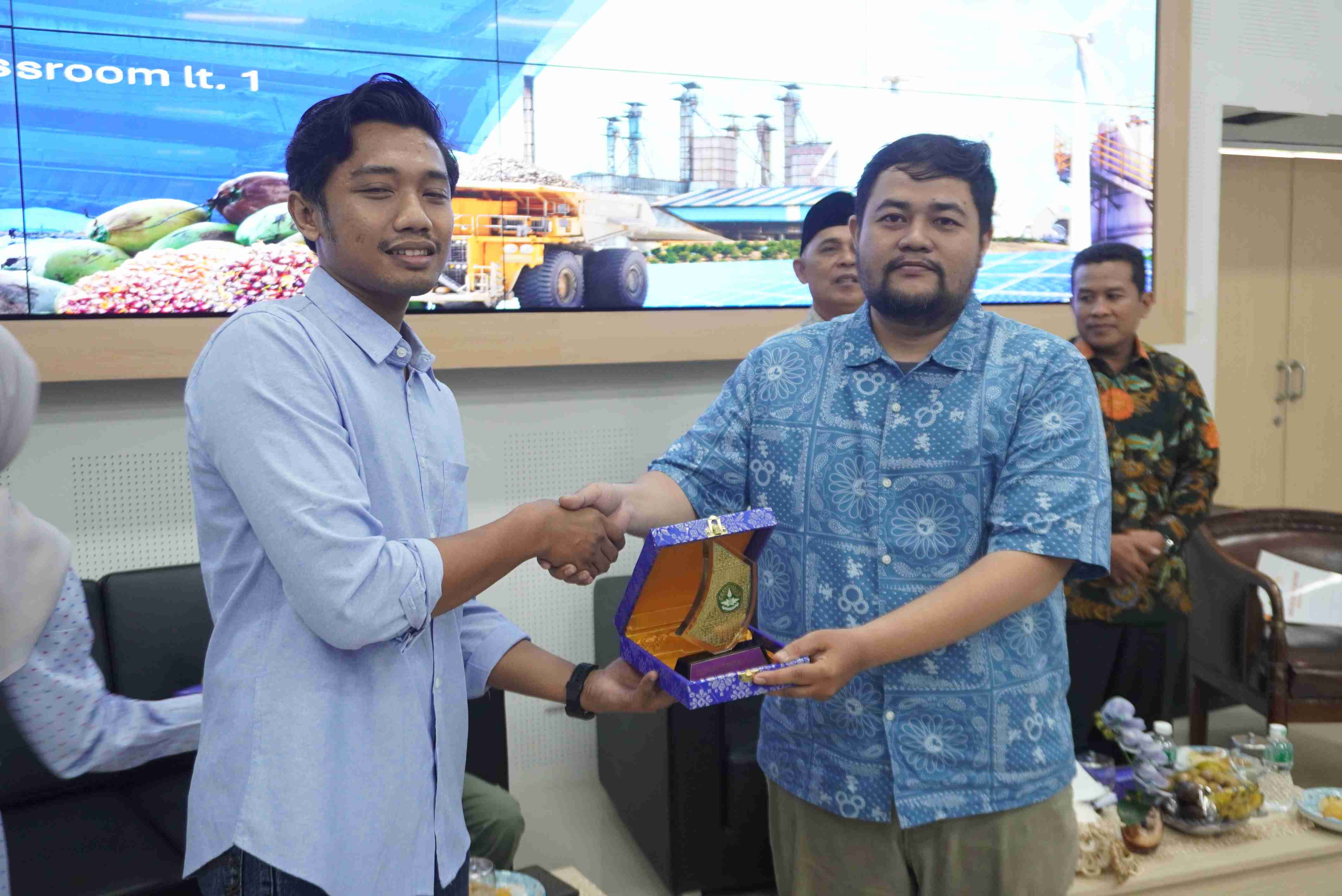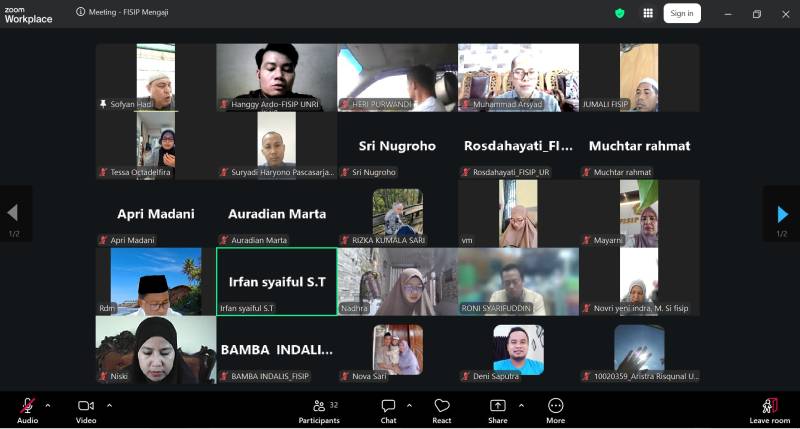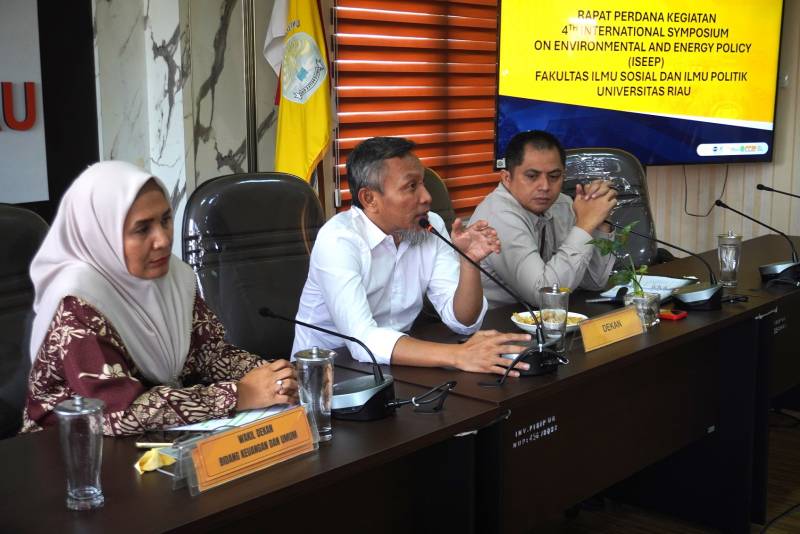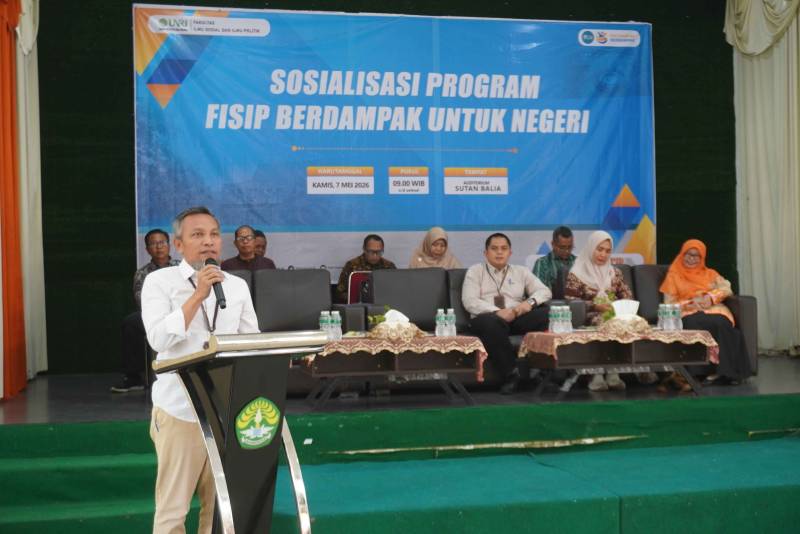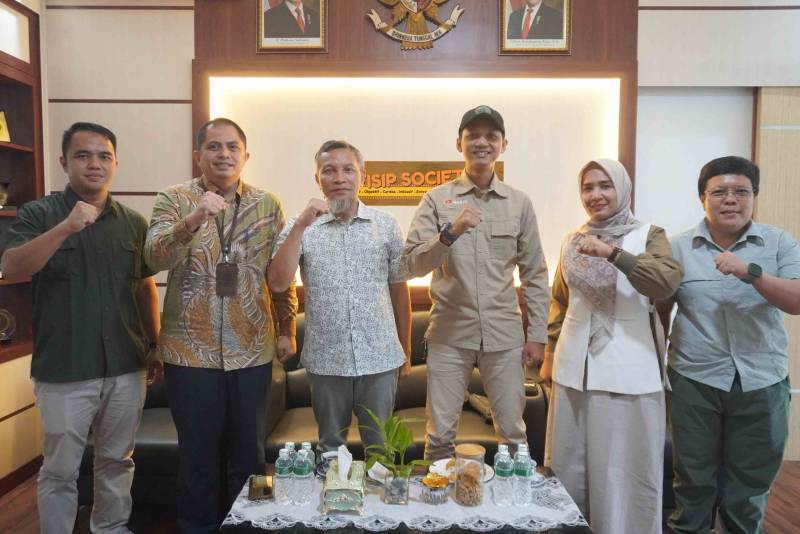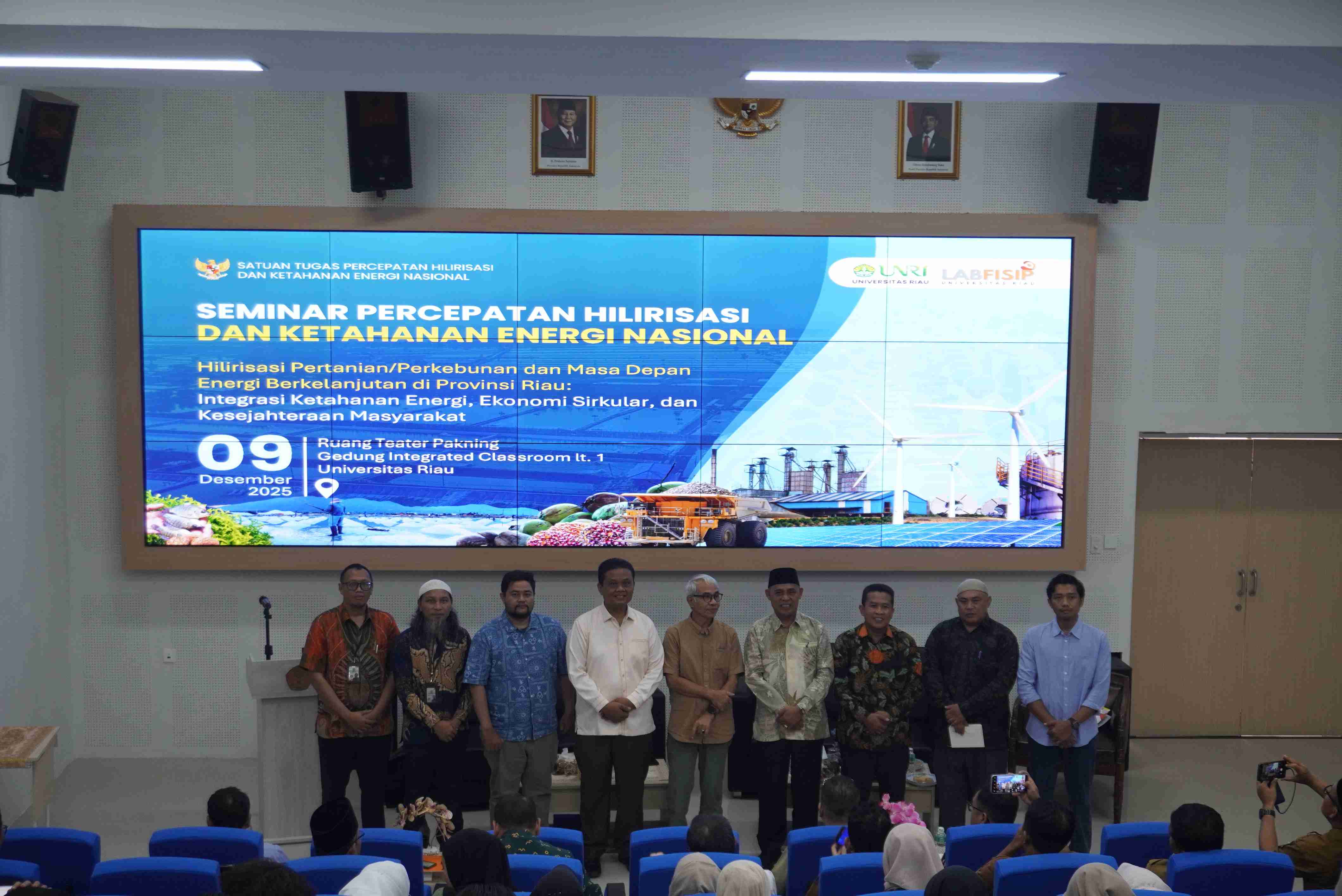
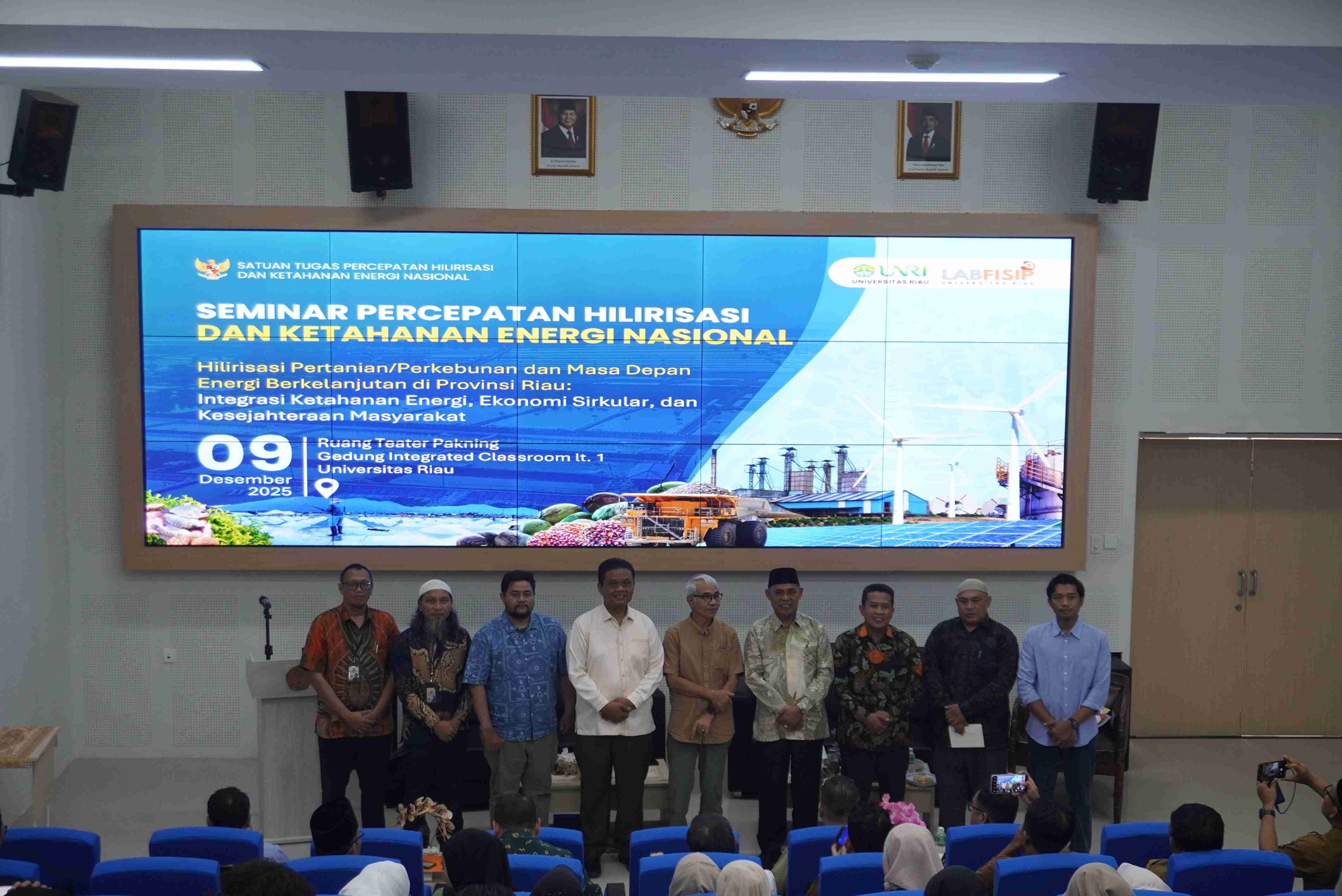
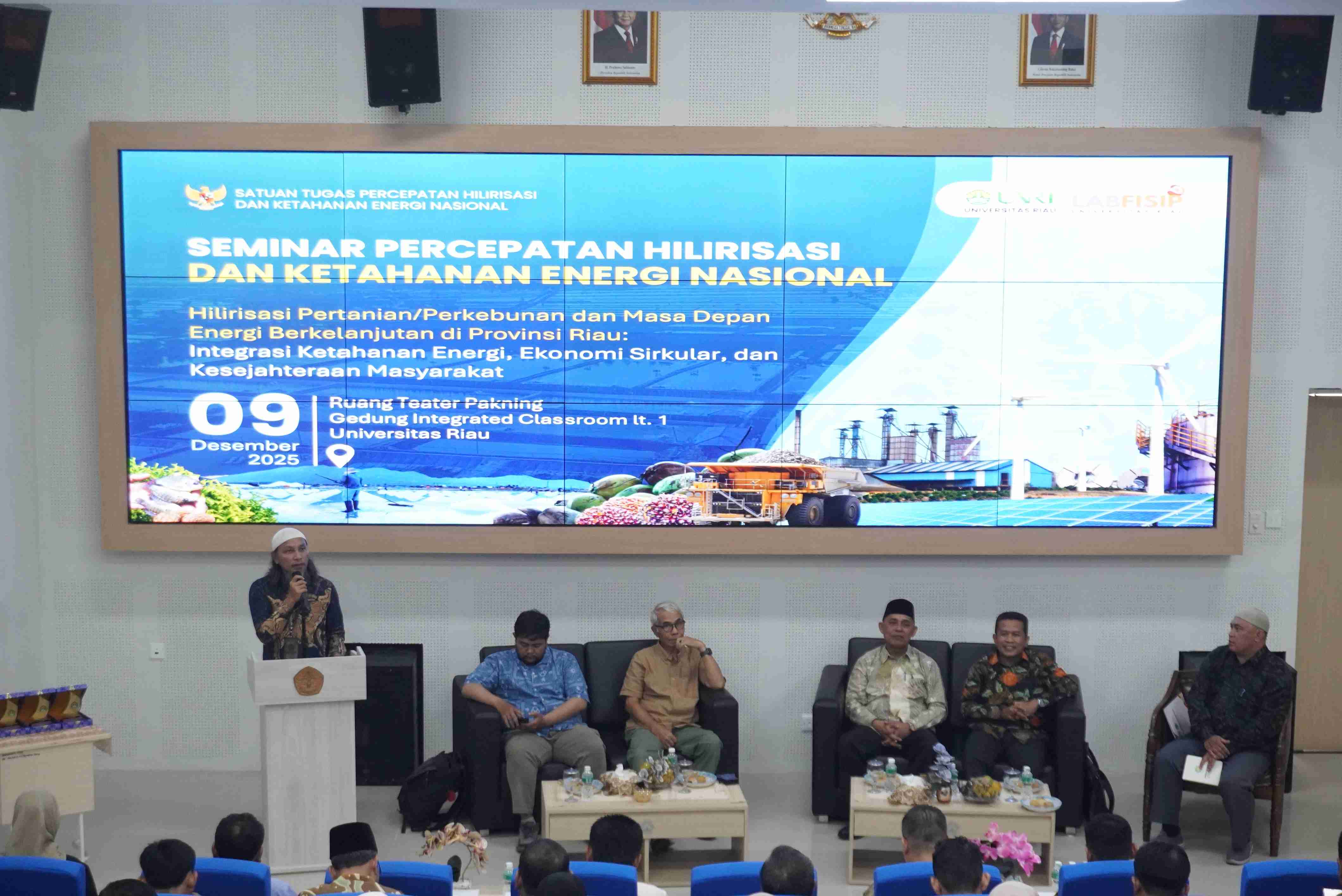
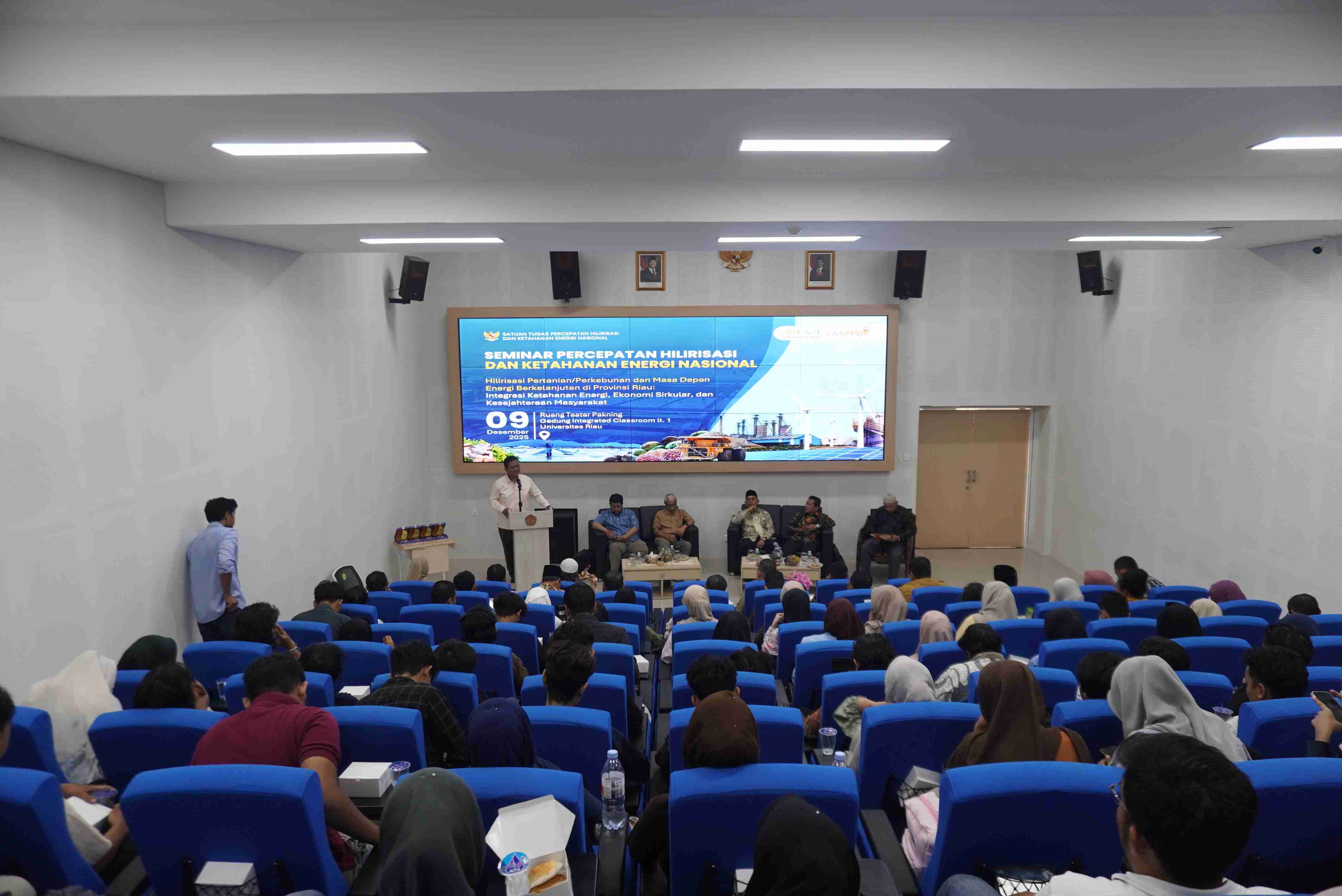
The Faculty of Social and Political Sciences (FISIP) of Universitas Riau, through the FISIP Integrated Laboratory, in collaboration with the Ministry of Energy and Mineral Resources (ESDM) of the Republic of Indonesia, held a Faculty Seminar entitled “Downstreaming in Agriculture/Plantation and the Future of Sustainable Energy in Riau Province: Integrating Energy Security, Circular Economy, and Community Welfare” on Tuesday (December 9, 2025).
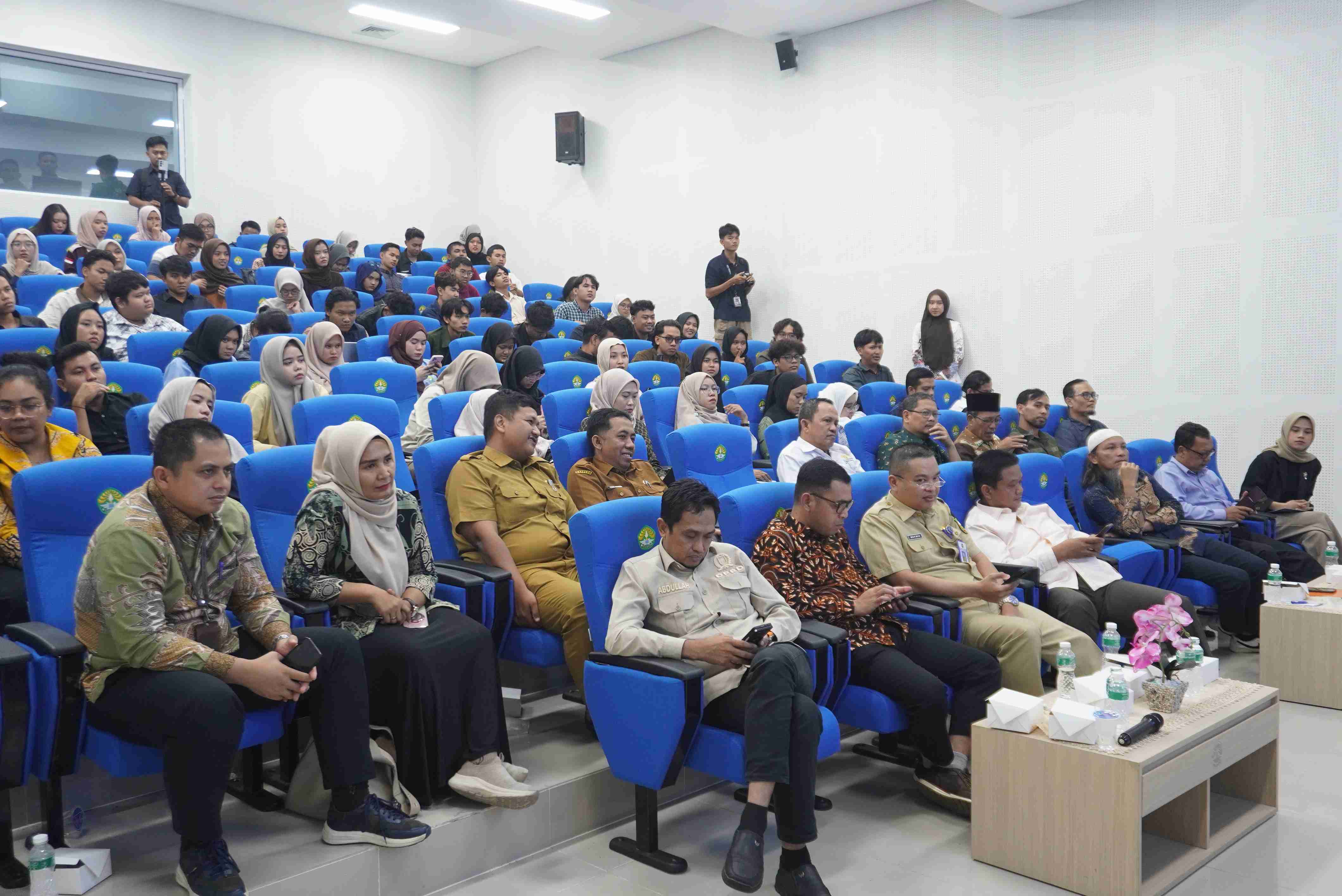
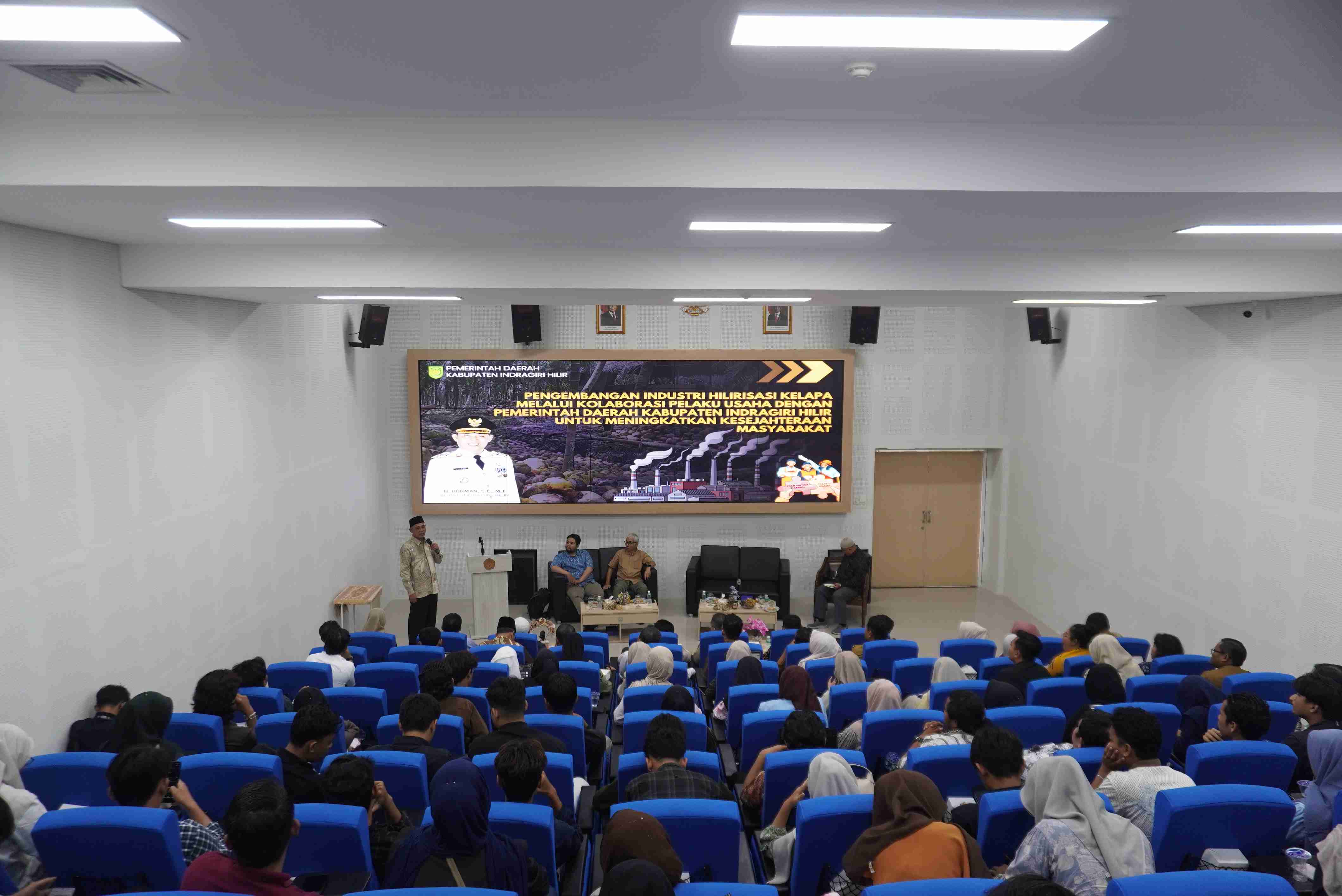
The event, held at the Kuantan Theater Room, Integrated Classroom Building of Universitas Riau, was attended by faculty leadership, vice deans, department heads, study program coordinators, lecturers, administrative staff, students, and various stakeholders concerned with sustainable development, energy, and environmental issues in Riau Province. The seminar served as a strategic forum bridging academic perspectives, public policy, business interests, and civil society in responding to future regional development challenges comprehensively.
Dean of FISIP Universitas Riau, Dr. Meyzi Heriyanto, S.Sos., M.Si., in his remarks, stated that the seminar provides a strategic platform for dialogue among academics, government, industry players, and civil society to discuss the direction of natural resource management policies in Riau Province in a comprehensive and sustainable manner. According to him, downstreaming and sustainable energy issues are not merely technical and economic matters, but also involve social, political, and environmental dimensions that must be managed integratively and equitably.
He further emphasized FISIP’s commitment to contributing through strengthened scientific studies, applied research, and policy recommendations based on data and regional needs. “We hope that this forum fosters solid collaboration between universities, government, industry, and communities to promote natural resource management that is fair, sustainable, and oriented toward public welfare,” he said.
The seminar was officially opened by the Vice Rector for Student Affairs and Alumni of Universitas Riau, Prof. Dr. Hermandra, M.A. In his address, he appreciated the seminar as a strategic forum to strengthen synergy between universities and government in supporting national development agendas, particularly in downstreaming and energy transition. He highlighted the important role of higher education institutions as centers of knowledge development, innovation, and human resource excellence in advancing the transformation toward a green and sustainable economy.
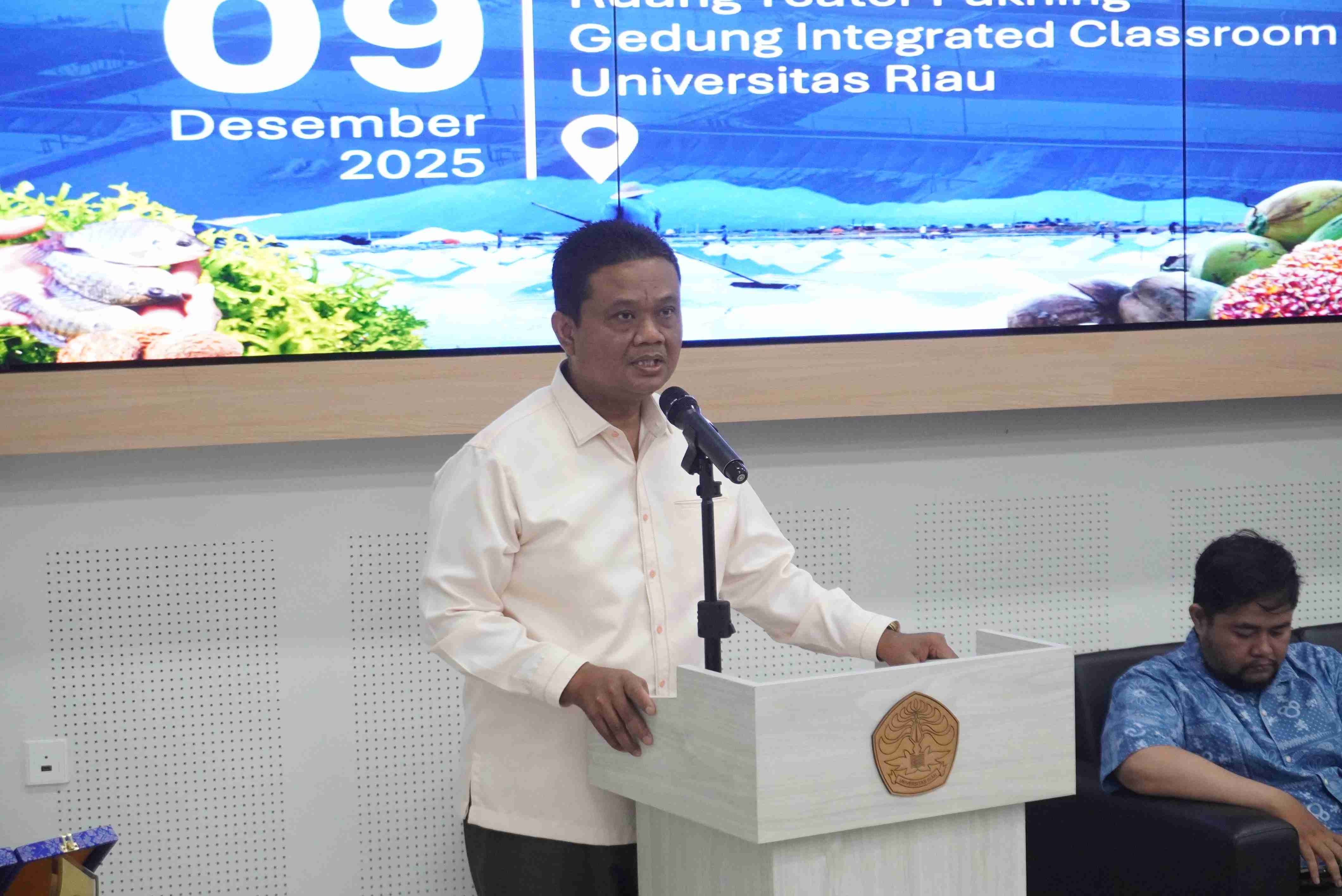
On the same occasion, Secretary of the National Task Force for Downstreaming Acceleration and Energy Security, Deni Setiawan, explained that the task force was established directly by the President of the Republic of Indonesia through a Presidential Decree to accelerate the implementation of downstreaming and strengthen national energy security. He stated that the government has designated 18 priority downstreaming projects in the initial phase, with a total investment value of USD 38.63 billion or approximately IDR 618.13 trillion, with the potential to create 274,788 jobs. This program is expected to increase the added value of domestic natural resources while strengthening the competitiveness of the national industrial structure.
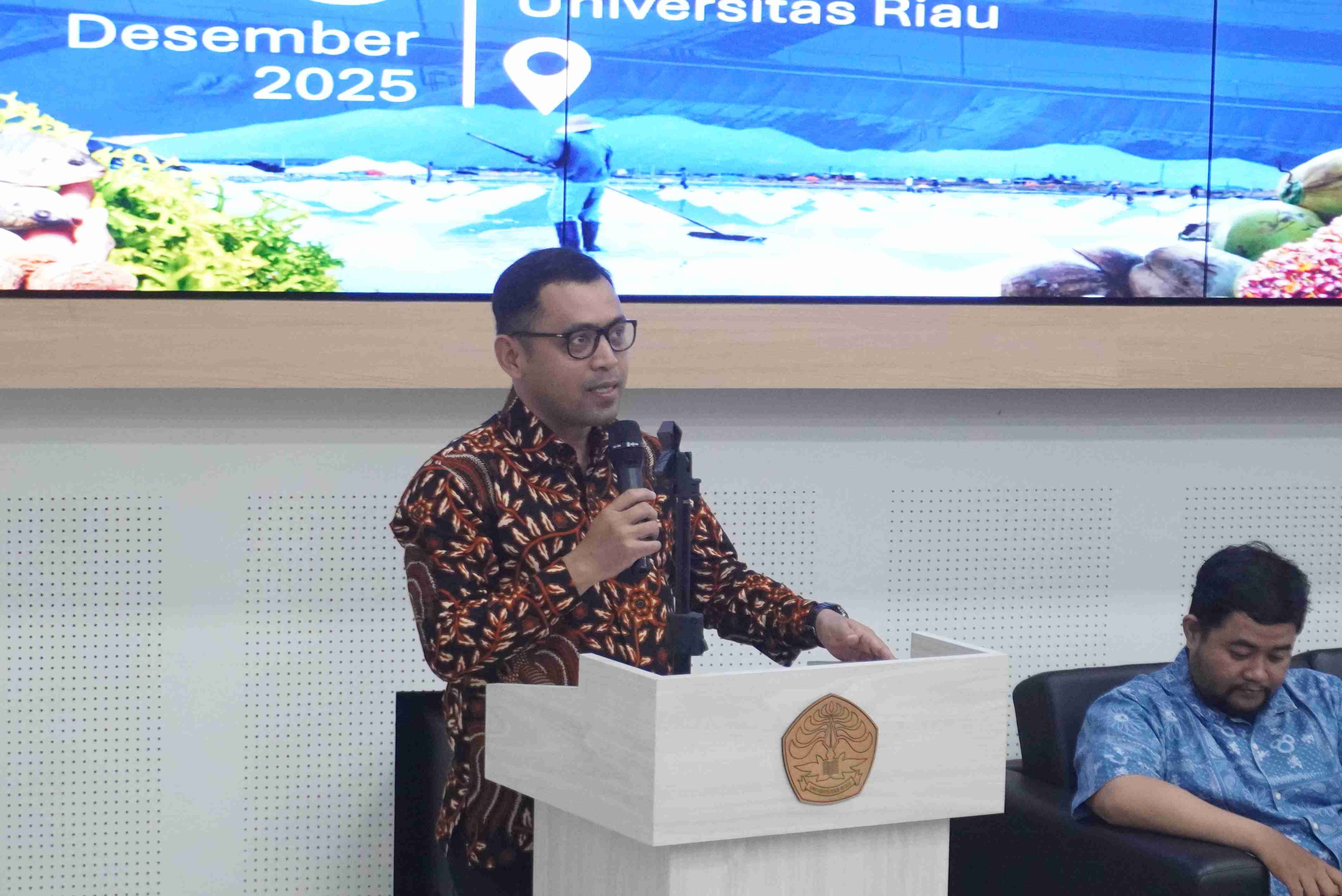
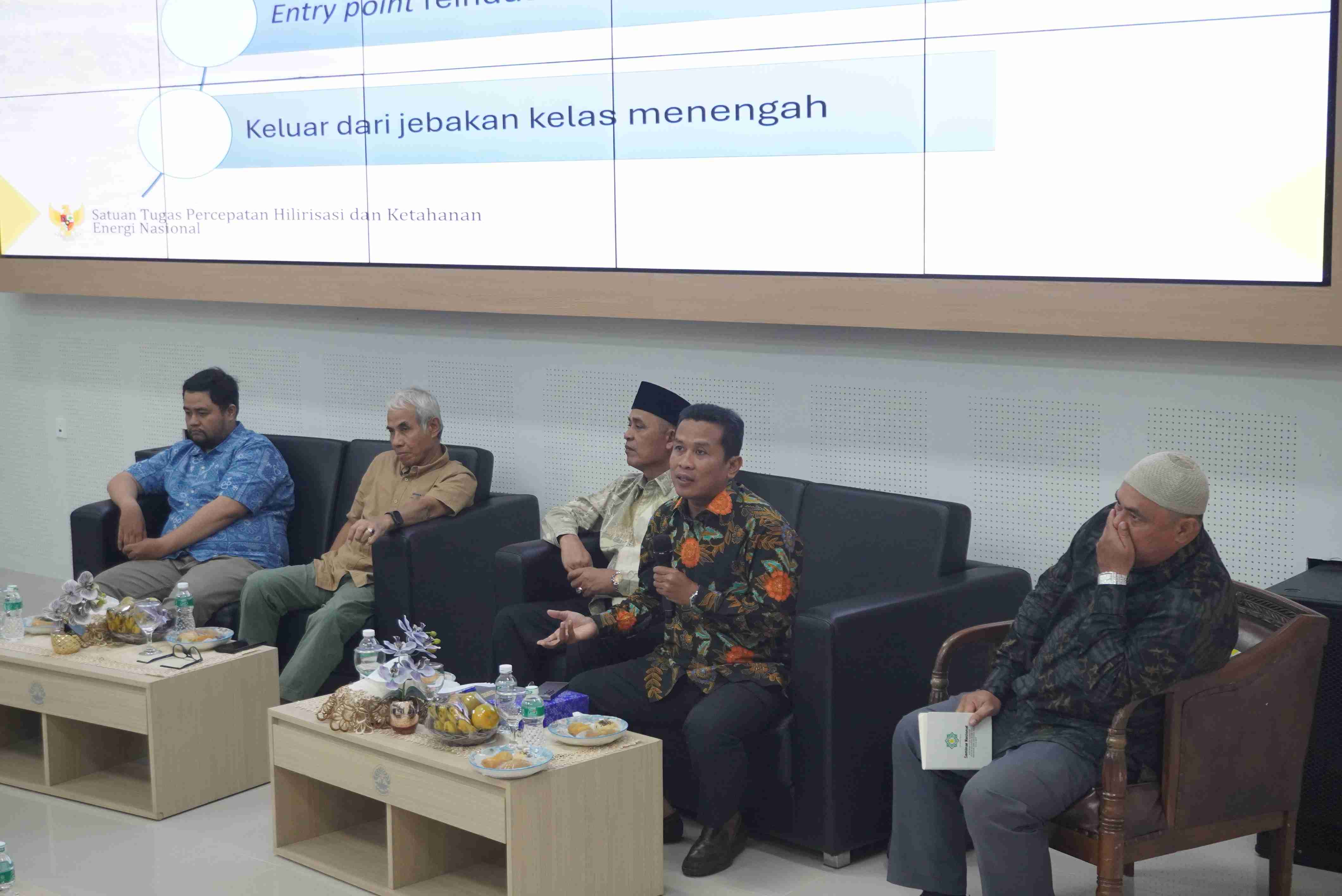
The seminar presented four speakers from various fields of expertise:
M. Kholid Syeirazi, Expert Team for the Implementation Unit of the Downstreaming and Energy Security Task Force (PHKE),
Prof. Dr. Yusmar Yusuf, M.Psi., Professor of Sociology at FISIP Universitas Riau,
Ahlul Fadli, S.Pd., from WALHI Riau,
H. Herman, S.E., M.T., Regent of Indragiri Hilir.
The discussion was moderated by Sofyan Hadi, S.Sos., M.Si.
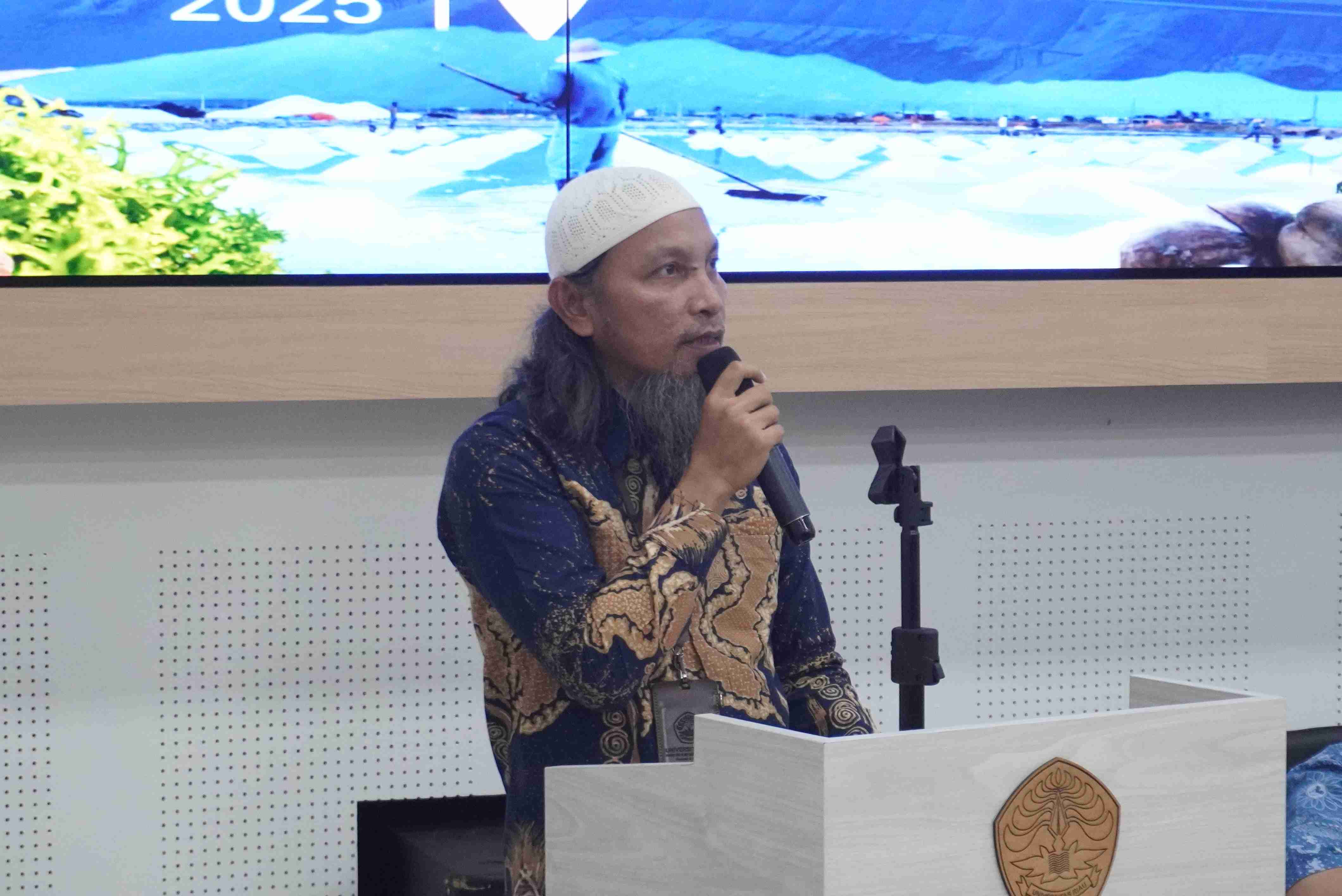
In his presentation, M. Kholid Syeirazi explained that downstreaming is a national strategic policy aimed at increasing the added value of natural resource commodities, reducing dependence on raw material exports, and strengthening national economic resilience. He stressed that Riau Province has significant potential in the agriculture and plantation sectors, which can be further developed through integrated processing industries aligned with sustainability principles. He highlighted that the success of downstreaming requires strengthening human resources, consistent policies, and reliable, environmentally friendly energy infrastructure.
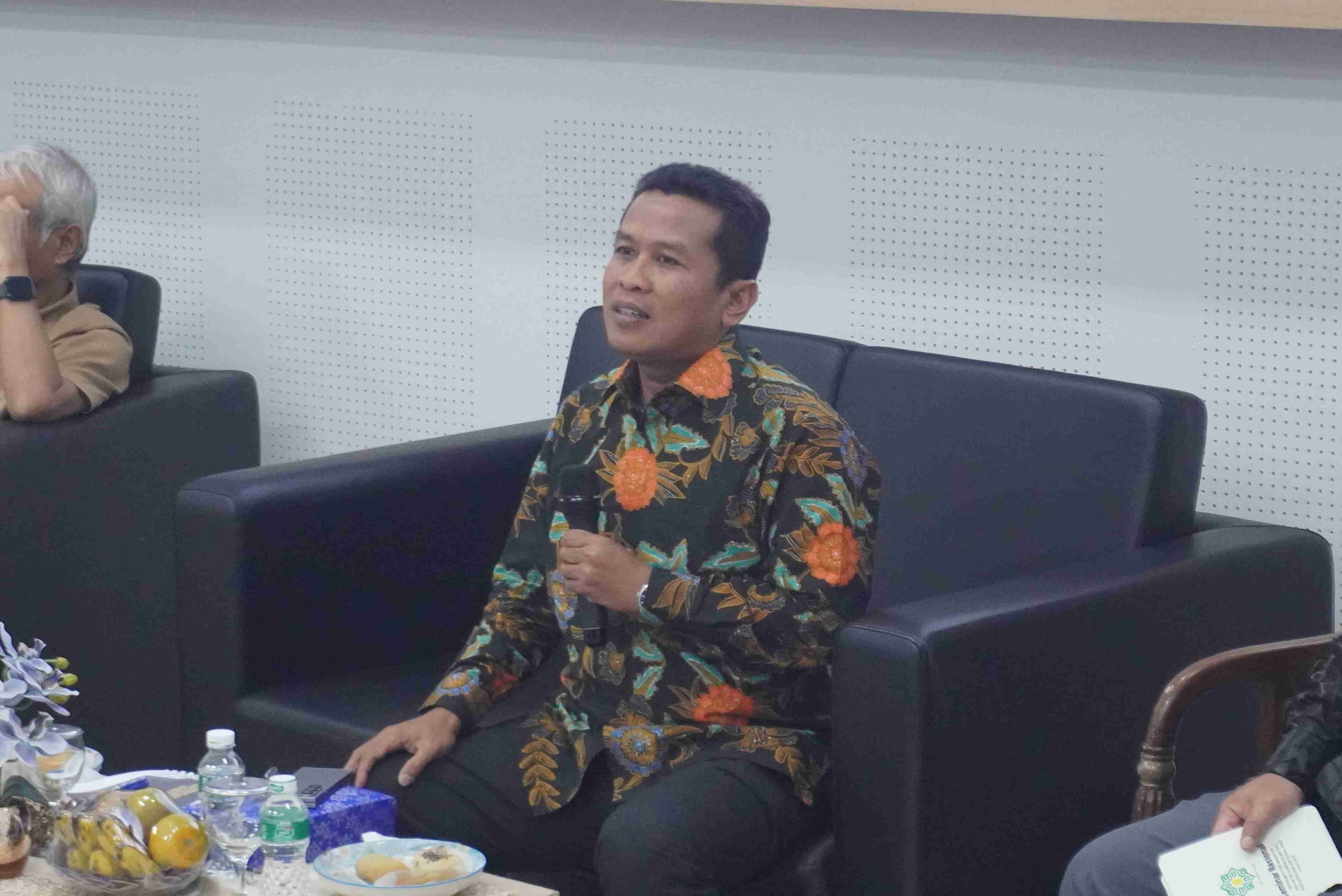
Meanwhile, Prof. Dr. Yusmar Yusuf, M.Psi., emphasized that agricultural downstreaming and the development of sustainable energy are key to the future development of Riau Province. He reminded that natural resource management should no longer rely on raw material exploitation but must prioritize value creation through circular economy approaches and renewable energy utilization.
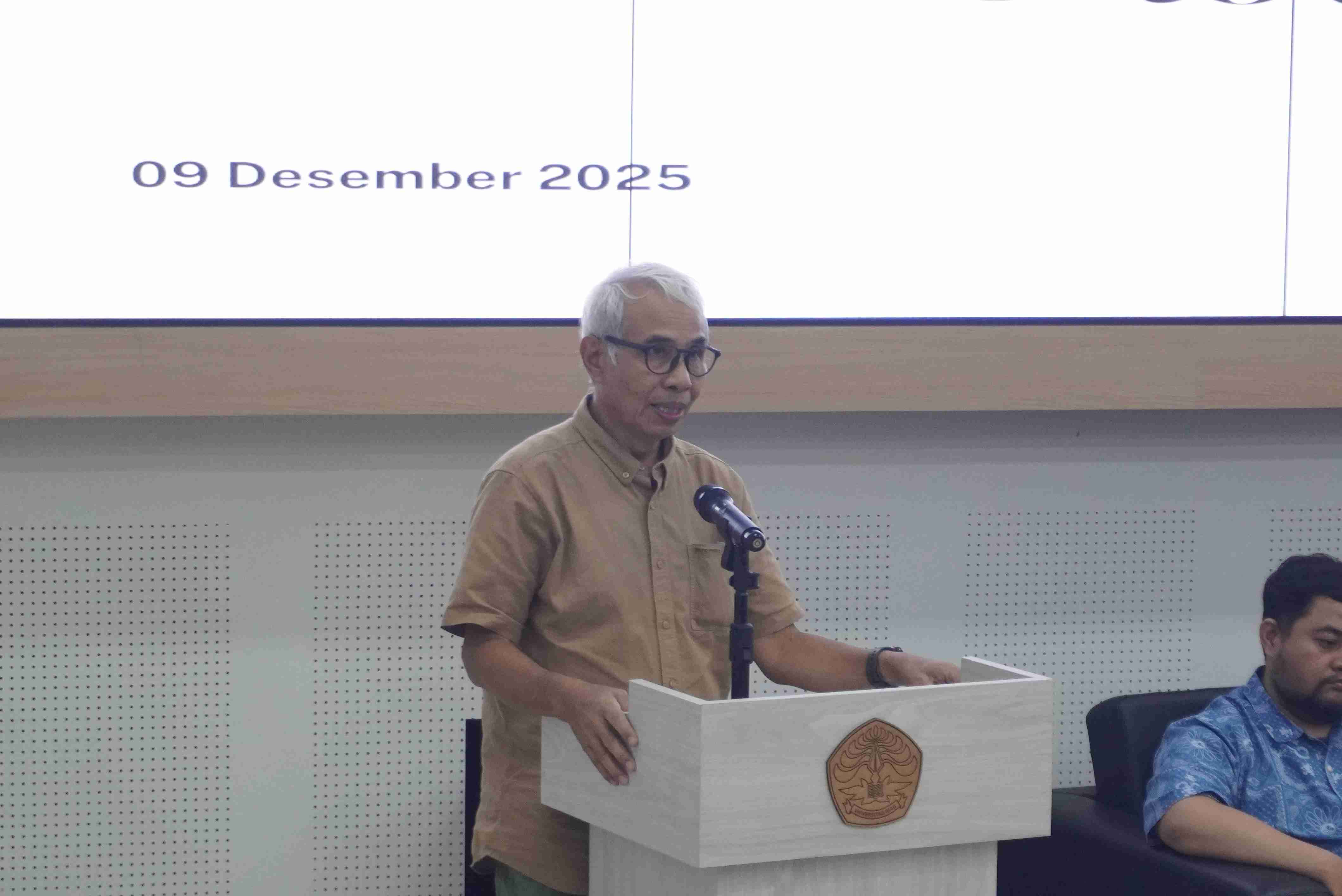
“Downstreaming is not only about increasing production, but also about building energy resilience, strengthening regional economies, and ensuring long-term community welfare,” he stated.
He further stressed the importance of synergy between government, universities, industry, and communities. Government acts as the regulator and policy driver, universities as research and innovation centers, businesses as industrial movers, and communities as key beneficiaries of development.
Regent of Indragiri Hilir, H. Herman, S.E., M.T., shared local government experiences in managing resource-based industries, particularly the coconut plantation sector. He emphasized the importance of circular economy principles and strengthened collaboration among businesses, government, and universities to create competitive, environmentally friendly, and inclusive industrial ecosystems.
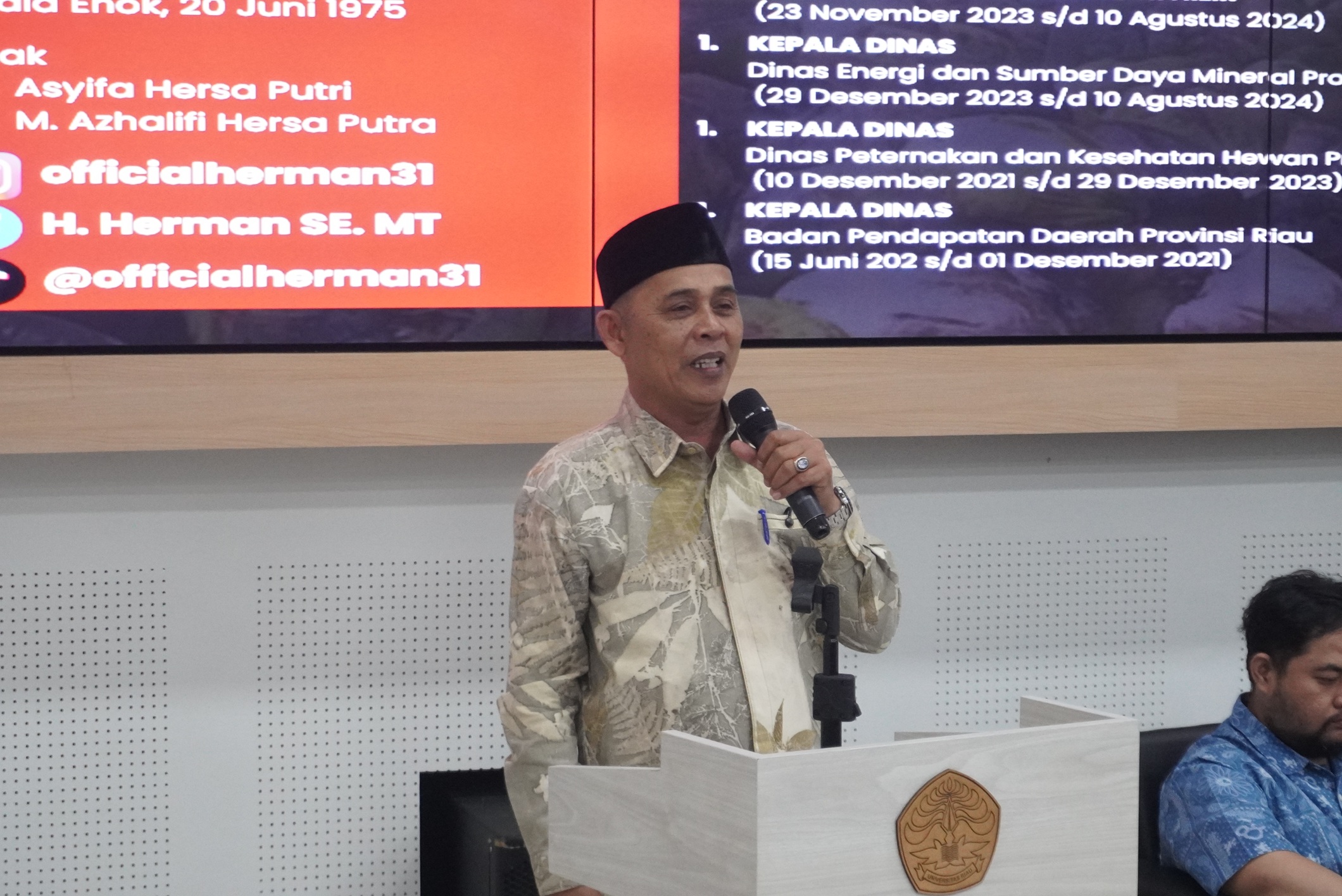
He also underlined the need for policies that support local economic empowerment so that the benefits of downstreaming can be directly felt by the community, especially coconut farmers. As a region known as the World Coconut Belt, Indragiri Hilir has vast potential to develop an integrated coconut-based industry that enhances value-added and community welfare.
From an environmental perspective, Ahlul Fadli, S.Pd., of WALHI Riau reminded that all development policies must uphold ecological protection and environmental sustainability. He pointed out that Riau still faces serious challenges, including deforestation, forest and land fires, and environmental degradation. According to him, development that ignores environmental carrying capacity risks creating long-term ecological problems for communities.
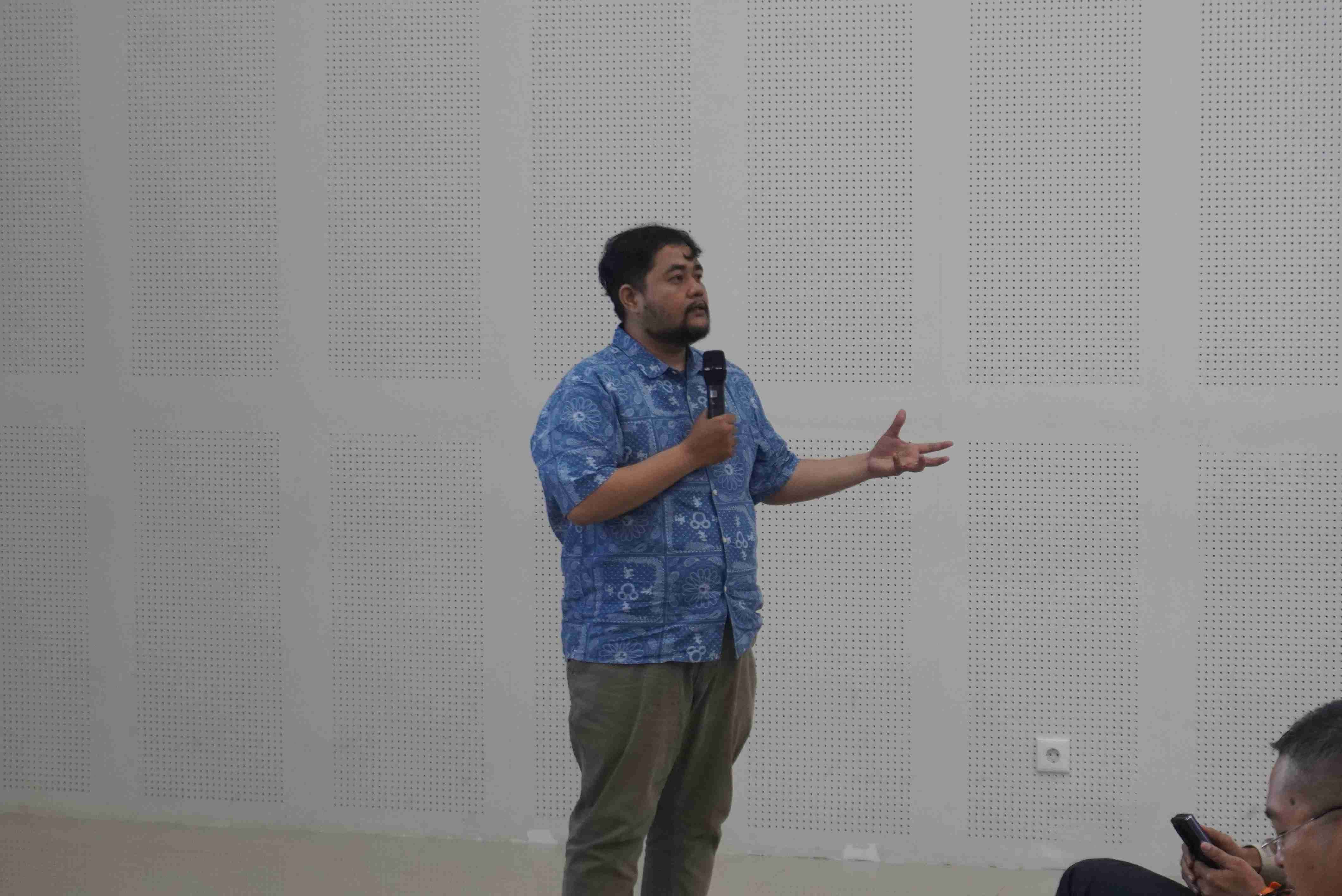
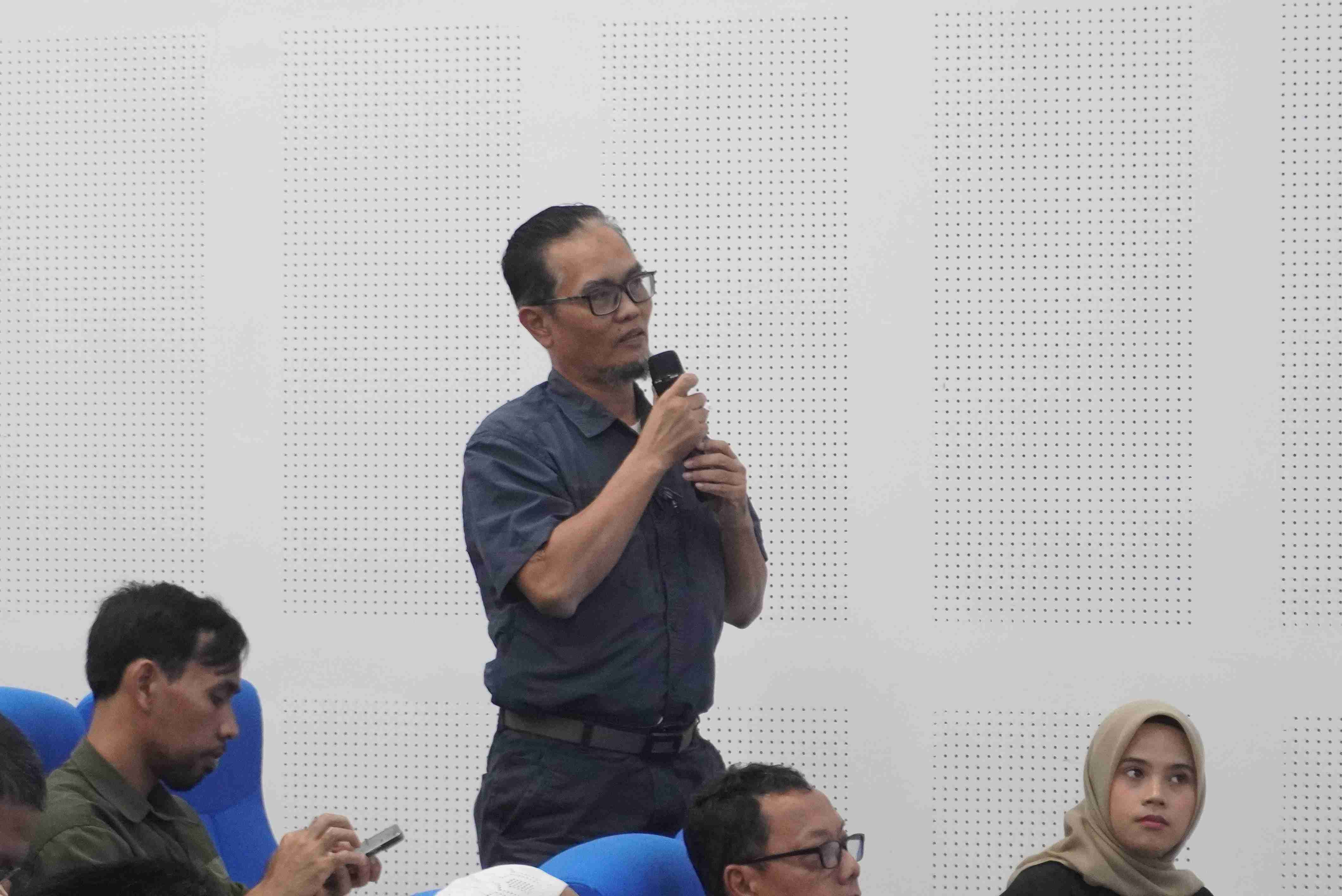
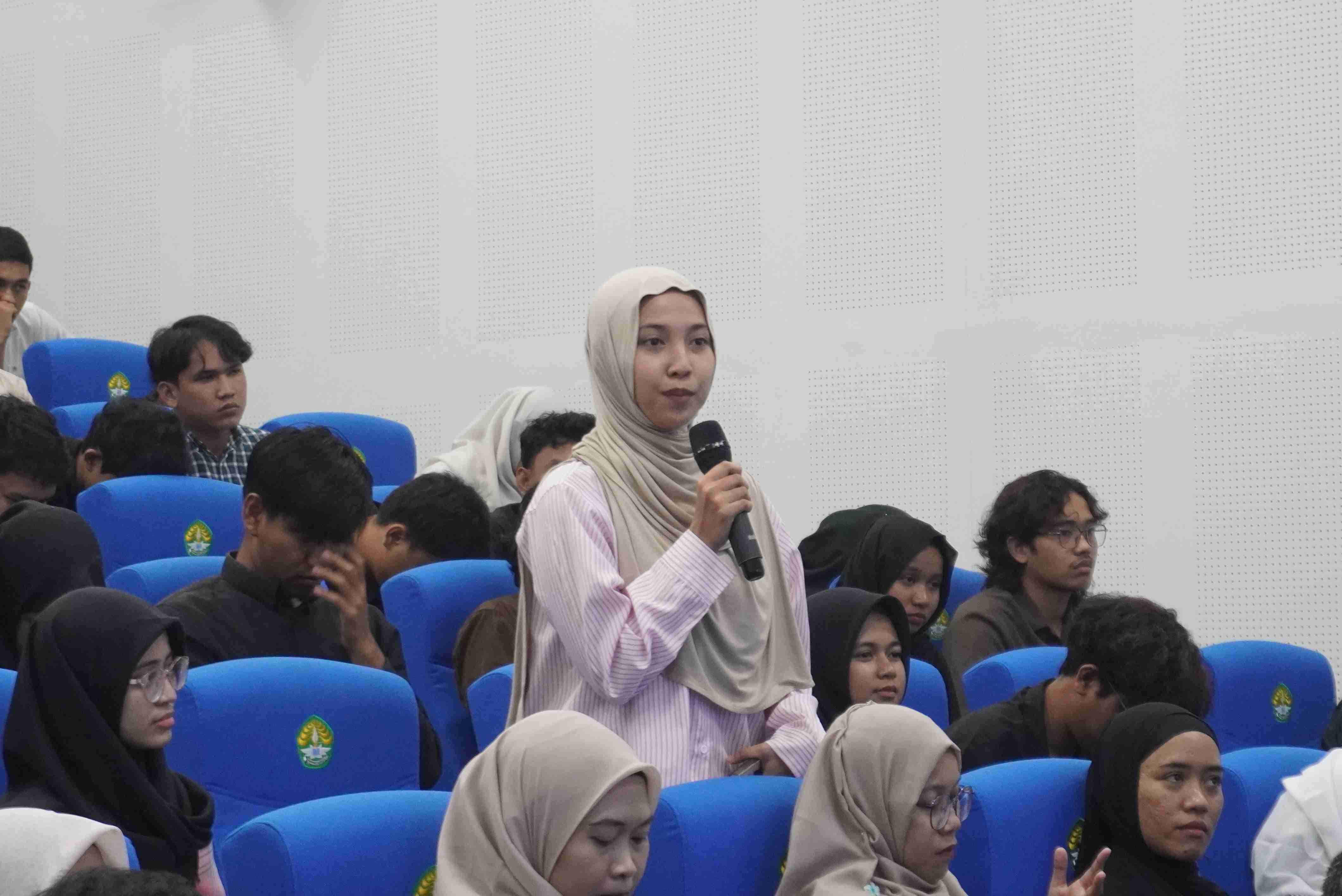
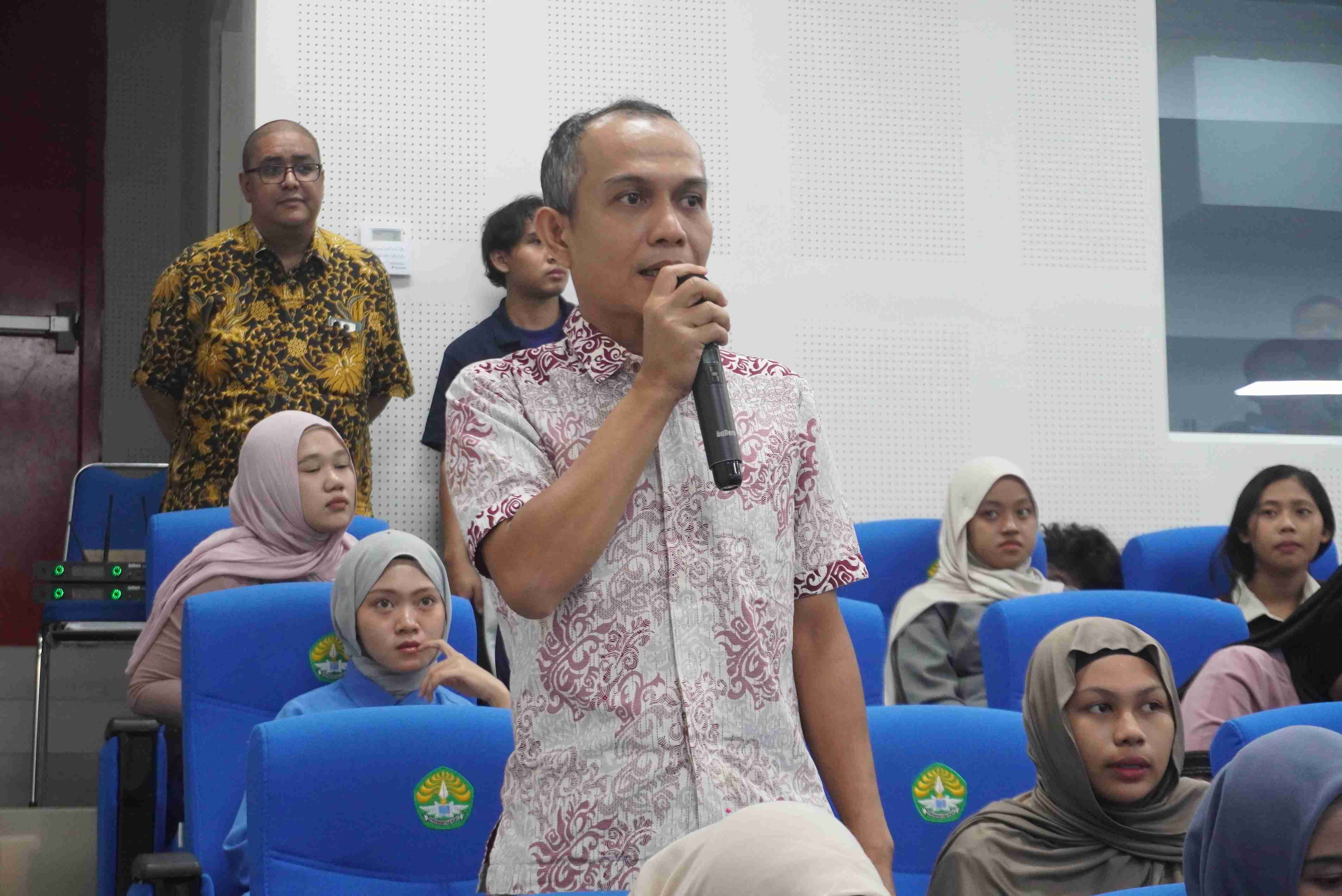
During the discussion session, participants actively raised questions and perspectives regarding the opportunities and challenges of implementing downstreaming in agriculture and plantations in Riau, the development of renewable energy, and the strategic role of universities in advancing sustainable development policies. The discussion was dynamic and productive, serving as an important forum for cross-sectoral exchange of ideas.
Through this seminar, FISIP Universitas Riau hopes to continue playing an active role in providing strategic insights and academic contributions for regional development, particularly in downstreaming, energy transition, and environmental sustainability. The seminar is also expected to serve as an initial step toward strengthening cross-sectoral collaboration networks for the realization of a sustainable, equitable, and community-oriented Riau Province.
(Enggy-YY)