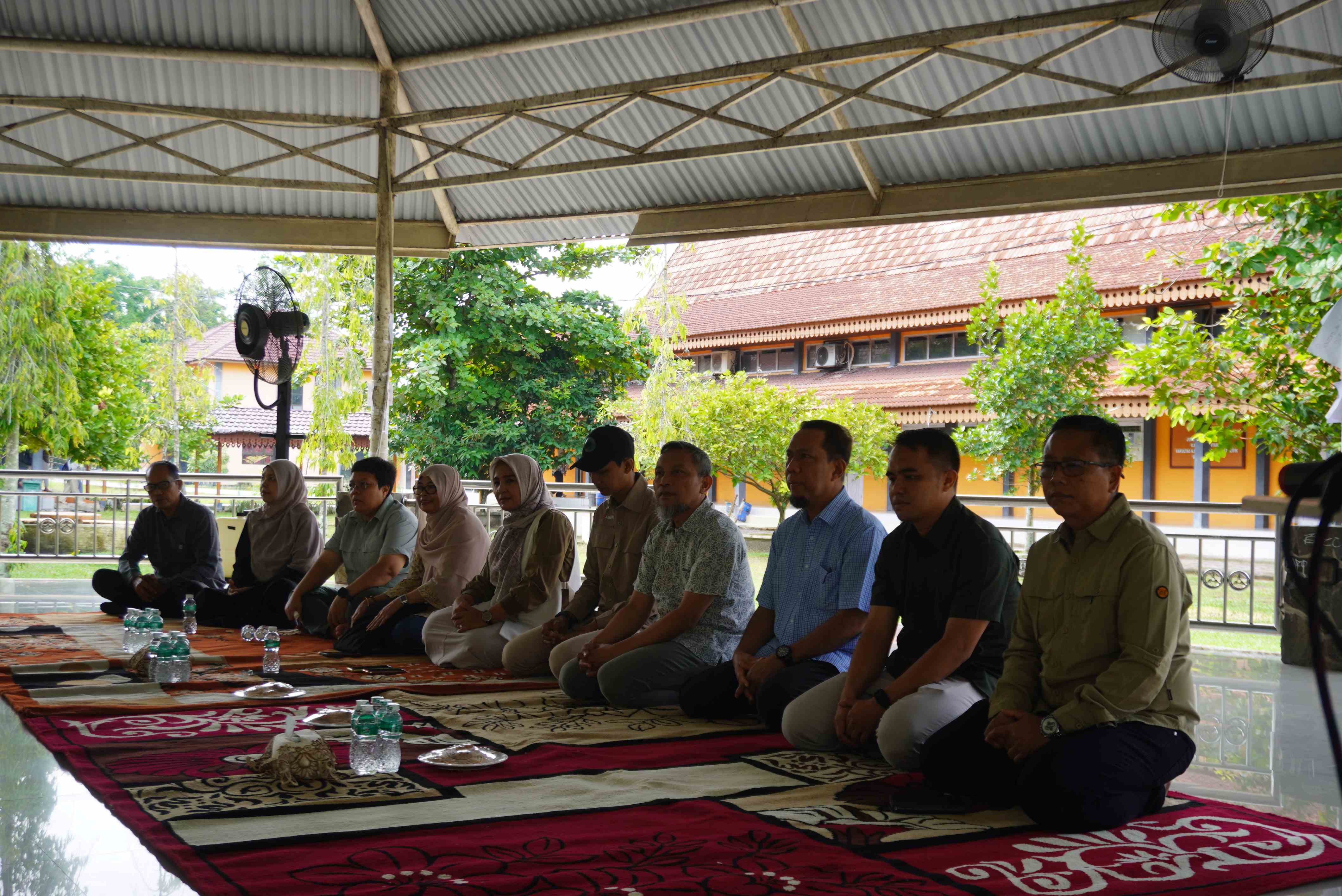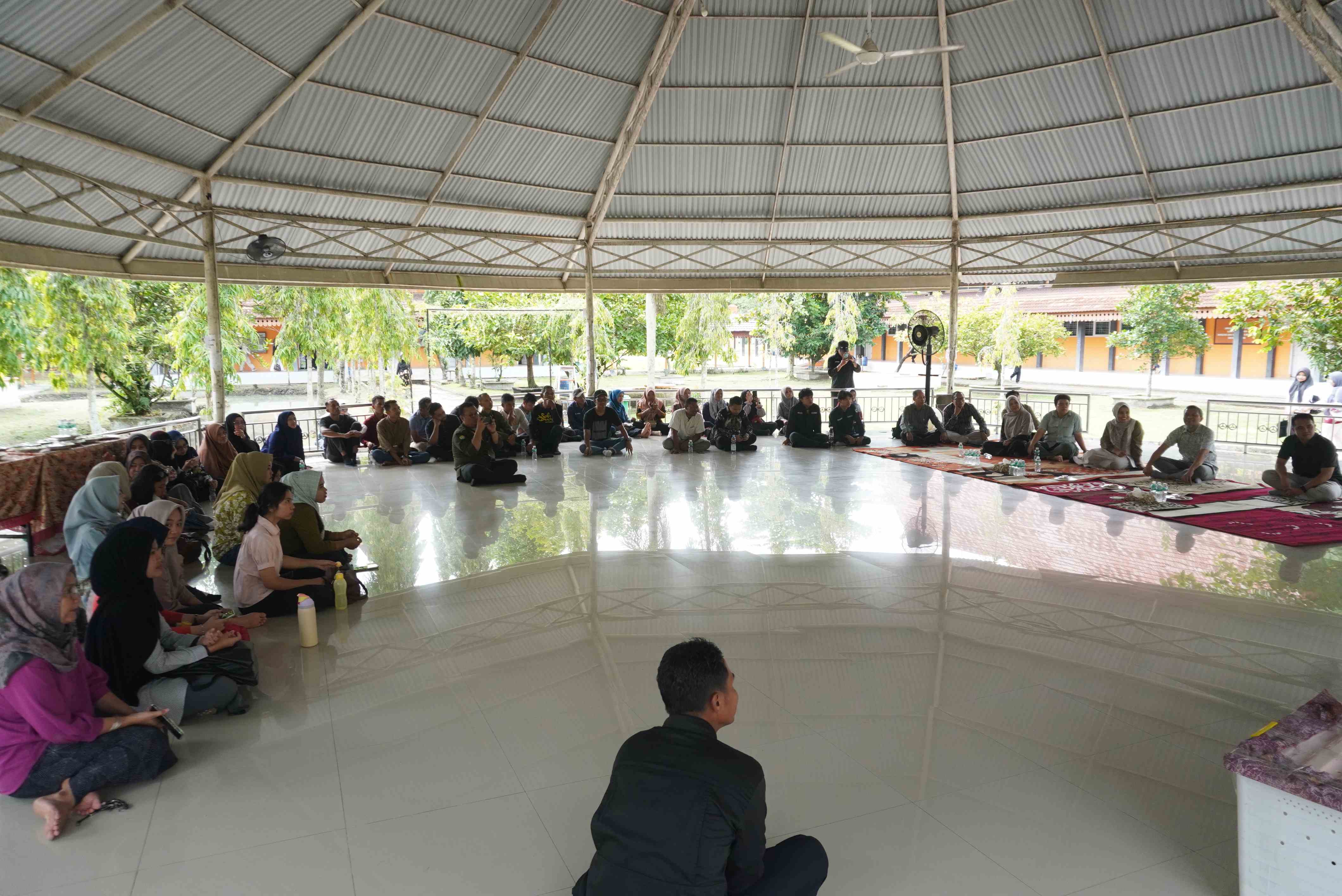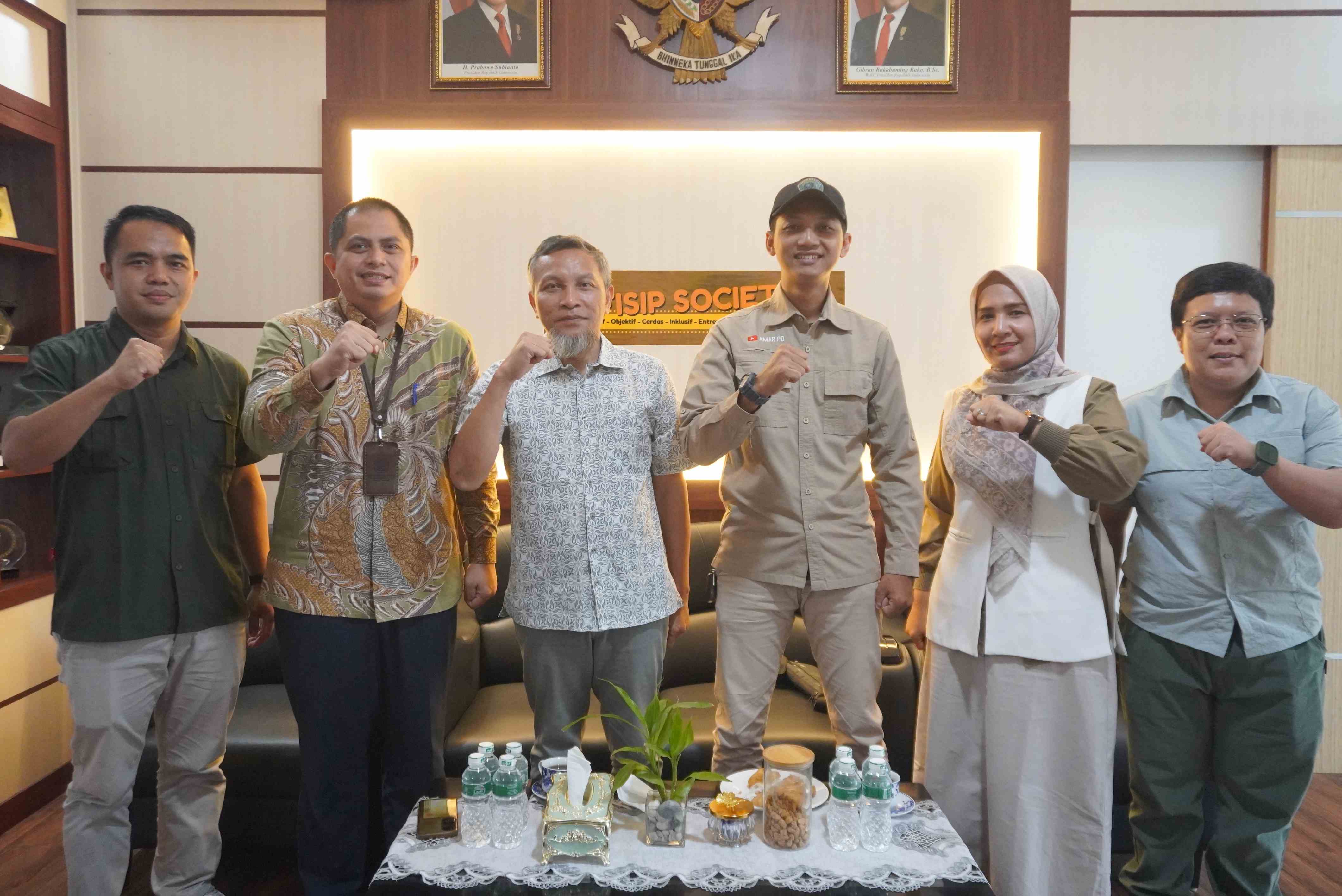
Pekanbaru, May 5, 2026 — The Faculty of Social and Political Sciences at the Universitas Riau (FISIP UNRI) organized a Reptile Rescue Training aimed at enhancing campus preparedness in handling wild and venomous animals within the university environment. The program was initiated by the FISIP UNRI Occupational Health, Safety, and Environment (K3L) Team.
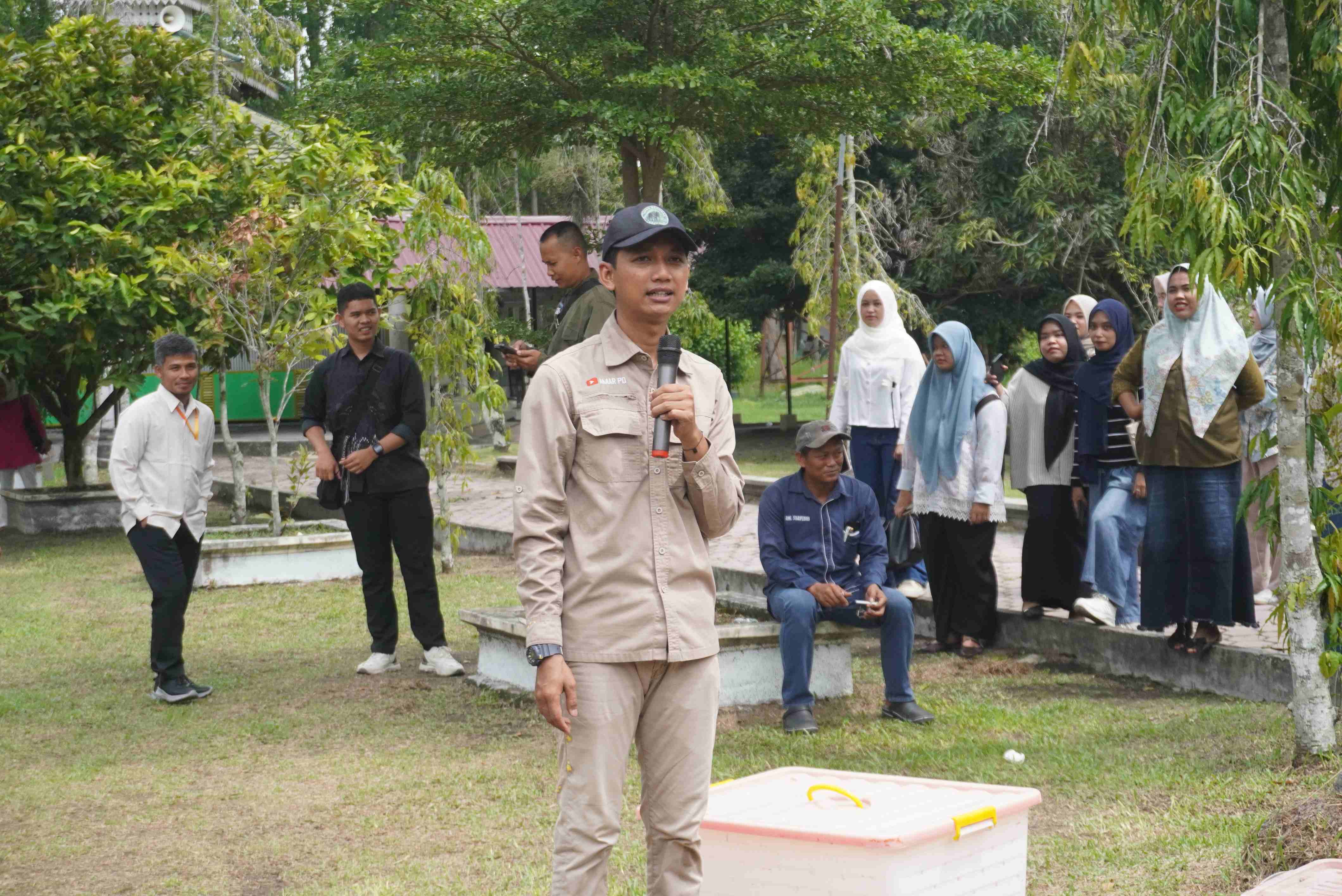
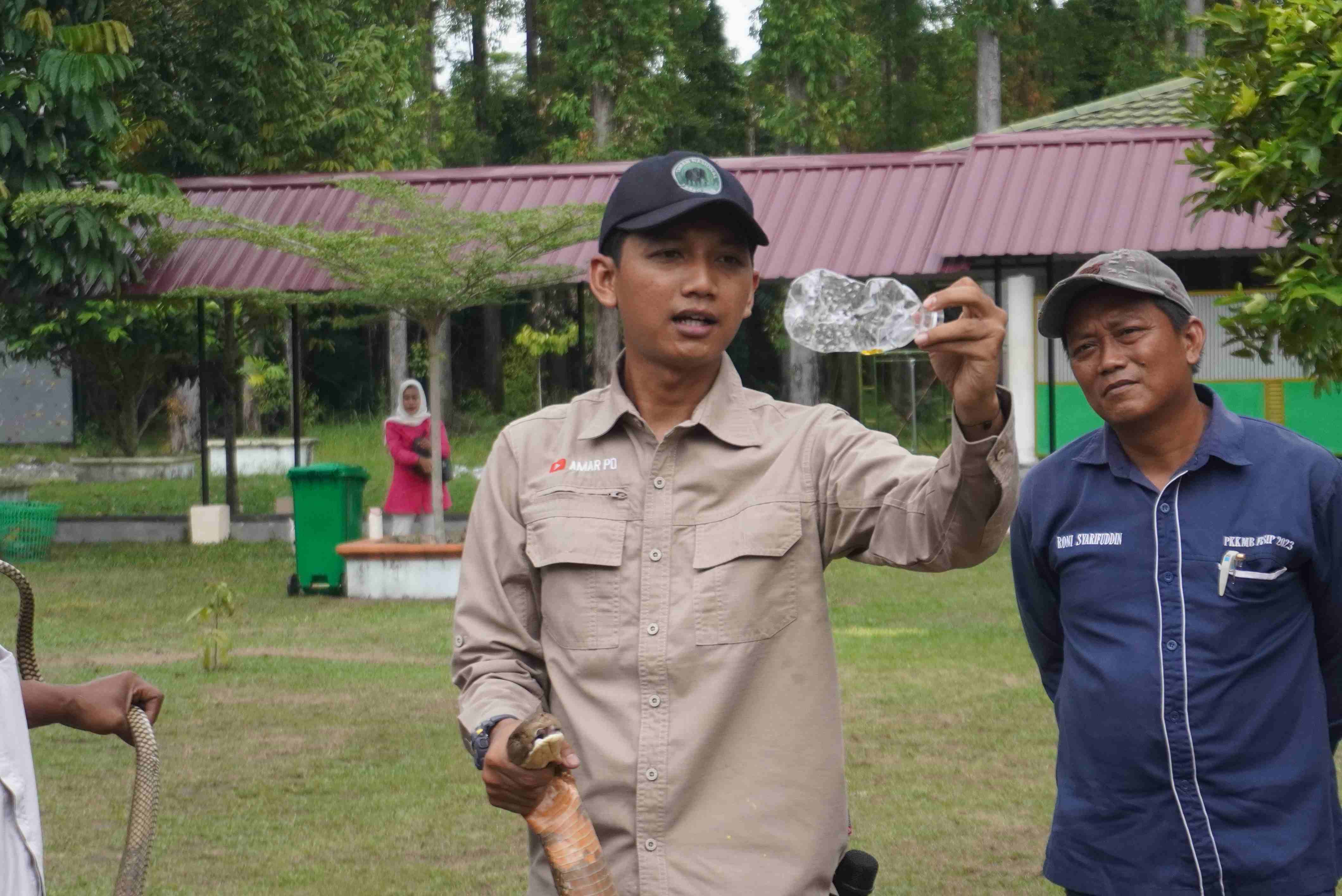
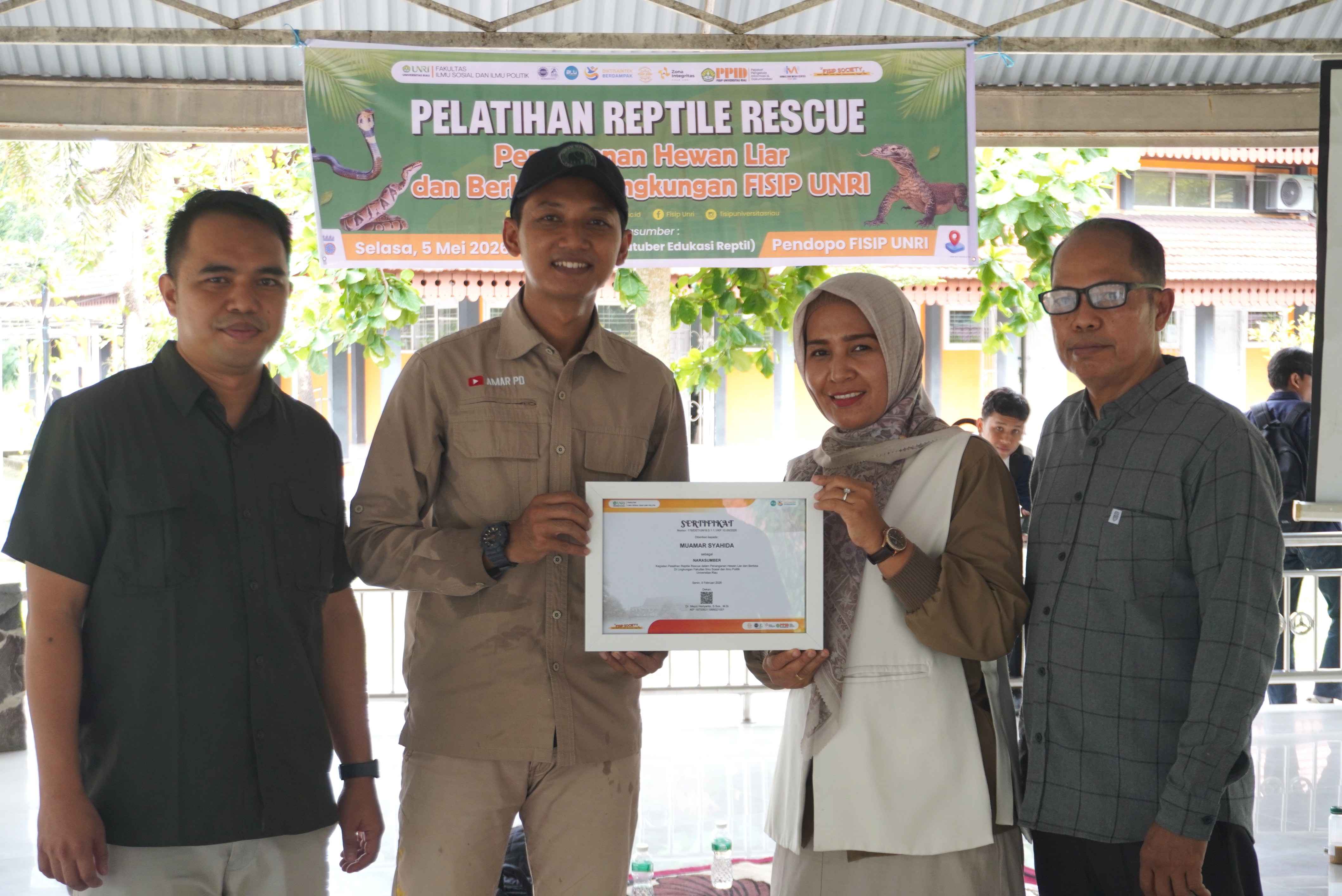
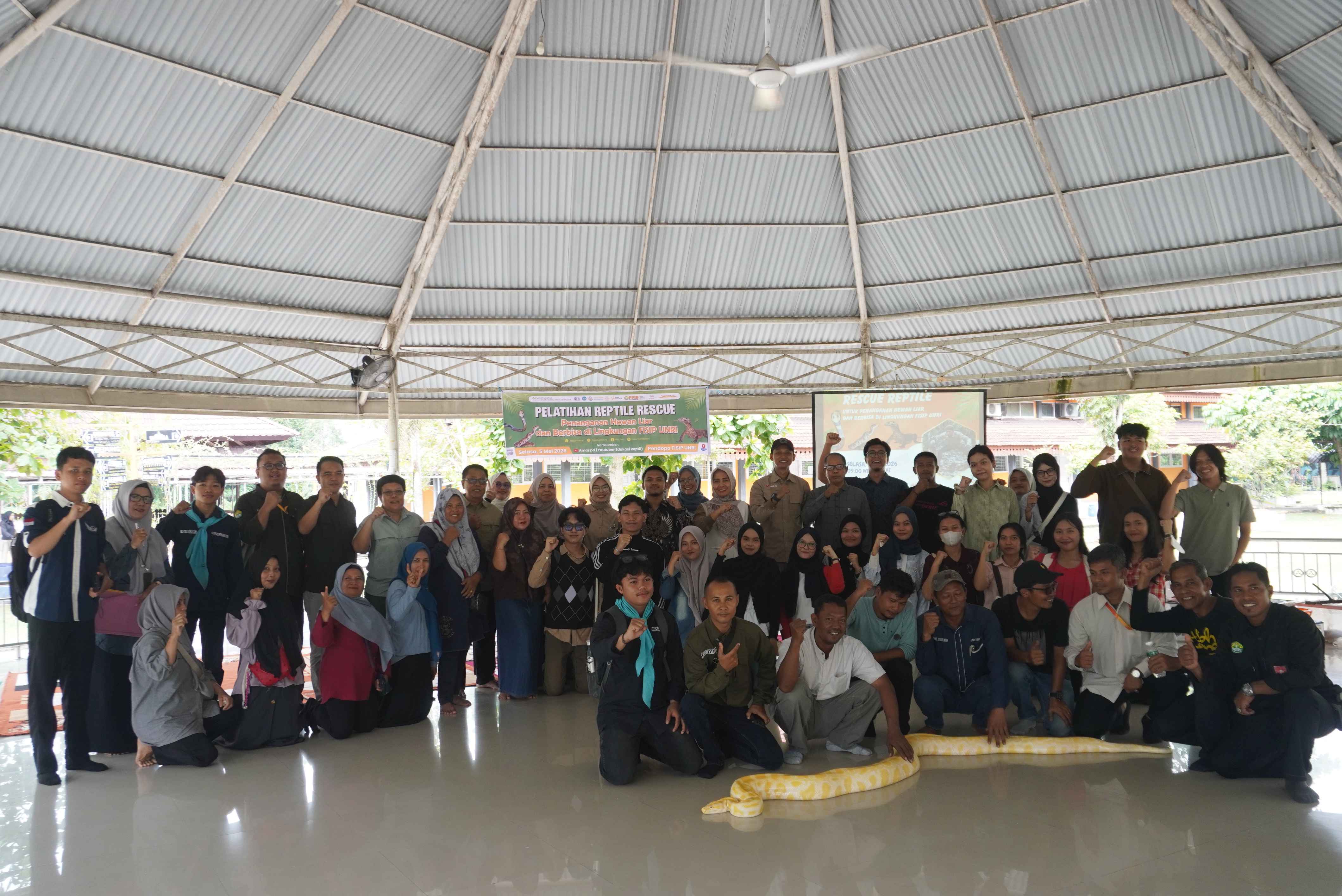
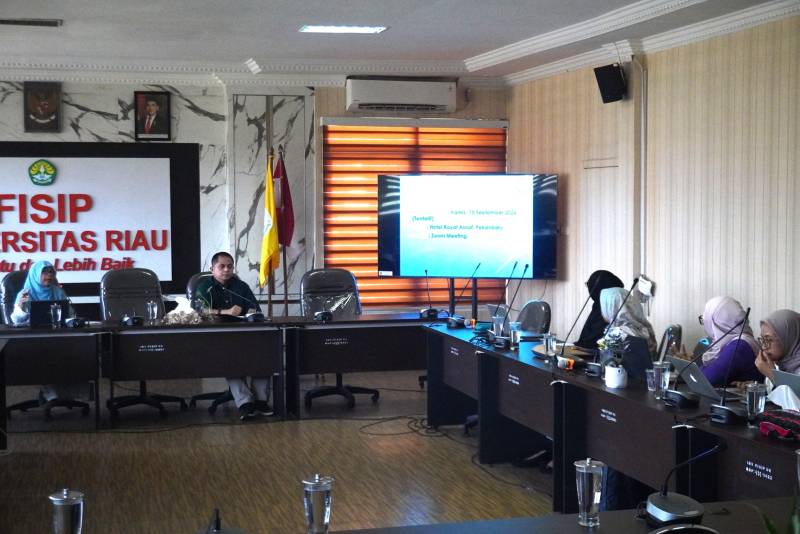
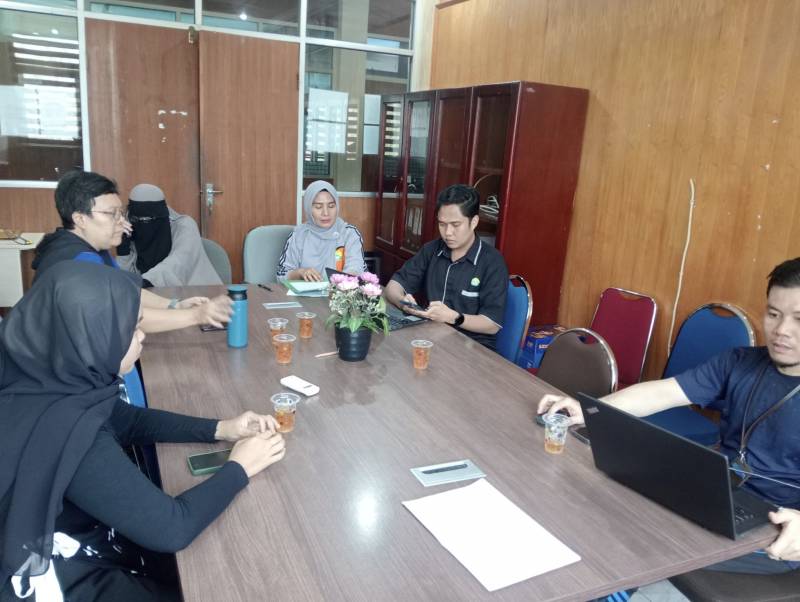
The training took place at the FISIP UNRI Pavilion starting at 9:00 a.m. WIB and was attended by faculty leaders, the FISIP K3L team, administrative staff, security personnel, as well as student representatives from the FISIP Student Executive Board (BEM FISIP) and the FISIP UNRI nature-loving student organization, Mapala SAKAI. The event featured Armar PD, a reptile handling practitioner and YouTuber, as the keynote speaker.
Dean of FISIP UNRI, Meyzi Heriyanto, stated in his remarks that the training represents a strategic step toward creating a campus environment that is safe, comfortable, and responsive to potential risks.
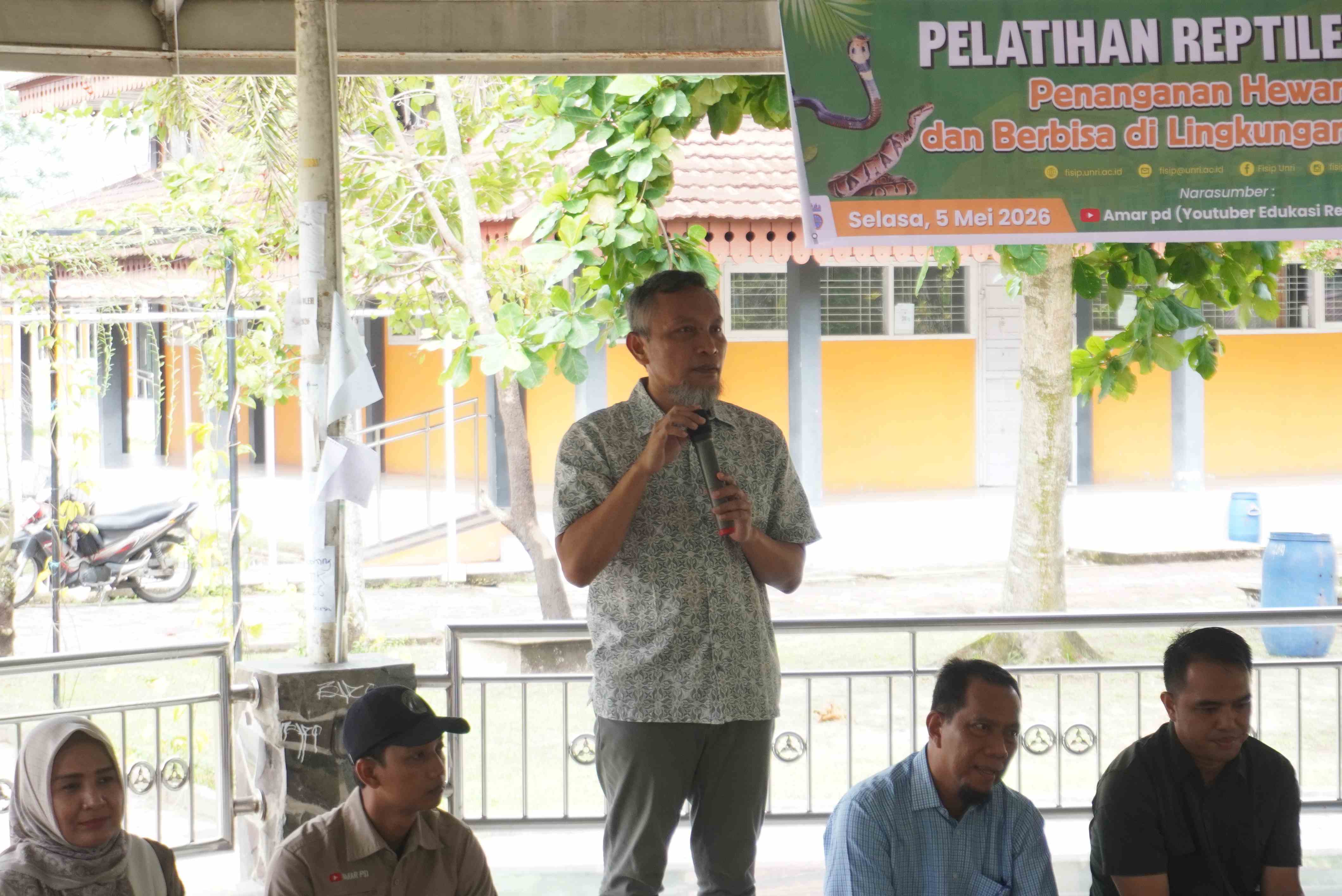
“This training aims to equip members of the academic community with basic knowledge and skills in handling wild animals, especially venomous reptiles, safely and appropriately,” he said. “FISIP UNRI is committed not only to creating a conducive academic environment, but also a safe one for the entire campus community. Through activities like this, we want to ensure that any potential risks, such as the presence of wild animals on campus, can be addressed with maximum preparedness.”
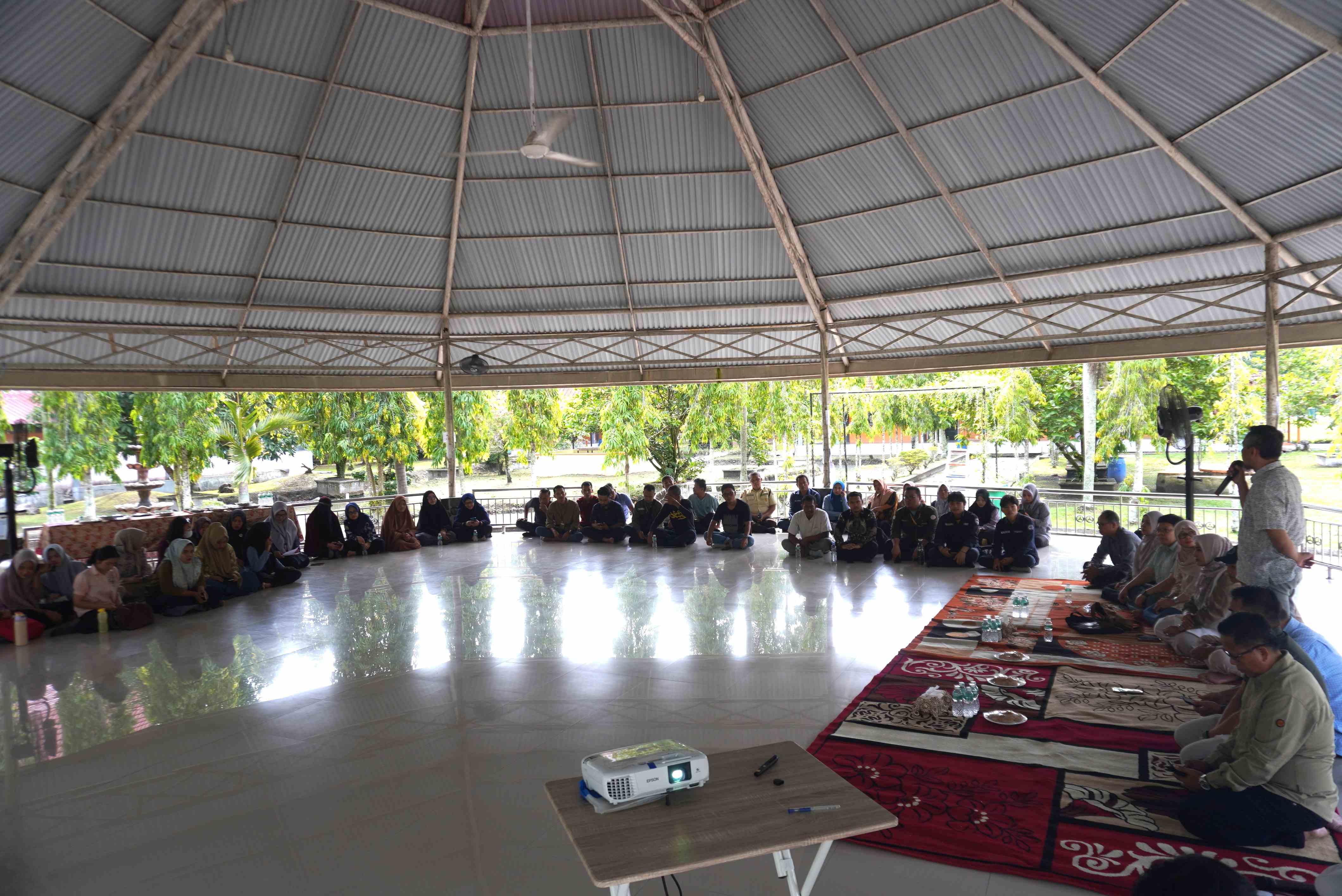
Head of the FISIP UNRI K3L Team, Indra Mardeni, added that the training is part of an ongoing effort to increase awareness and preparedness within the campus environment. According to him, the potential presence of wild animals on campus must be anticipated through proper education and training.
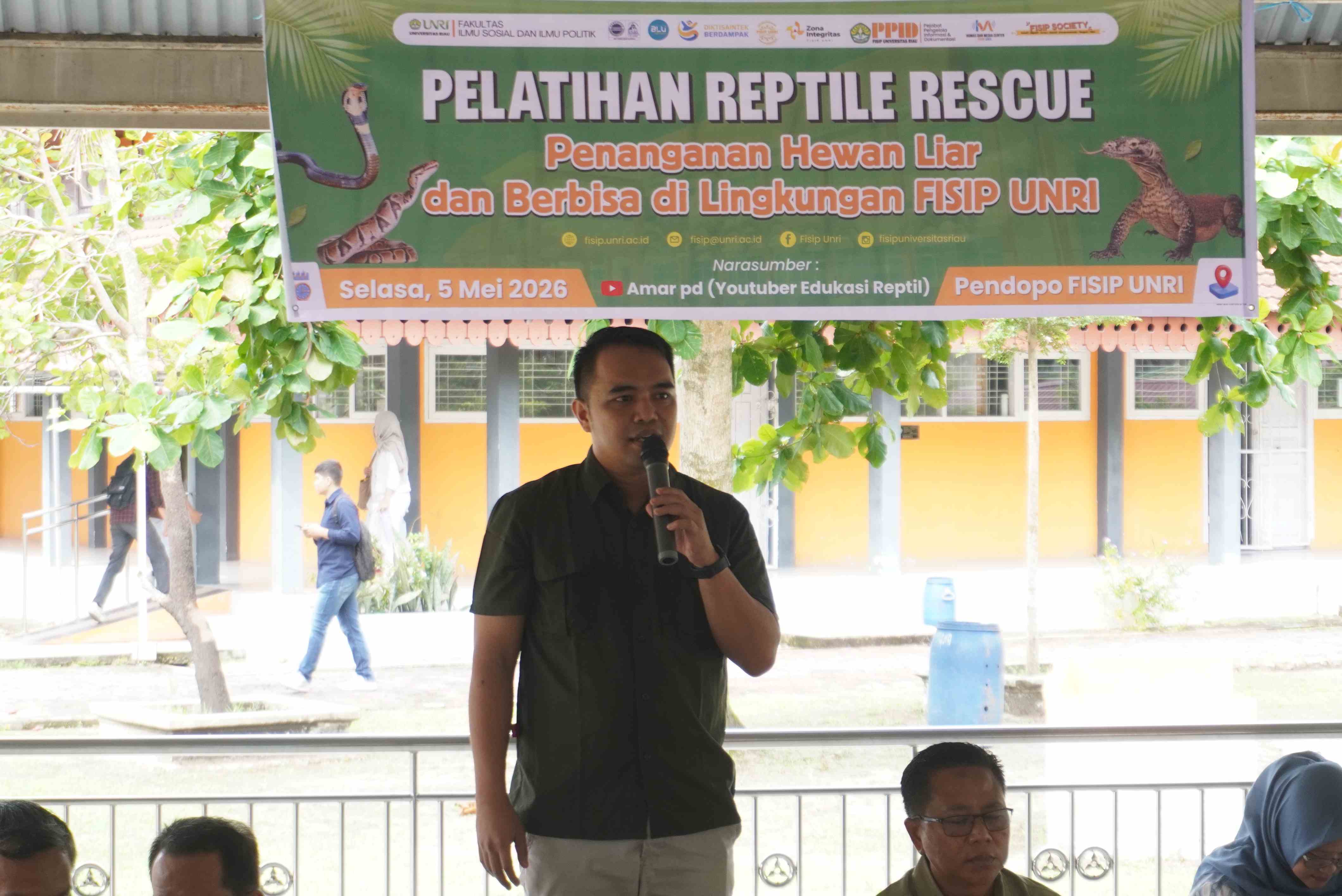
“We hope participants will be able to take the correct and safe initial actions when facing emergency situations,” he said.
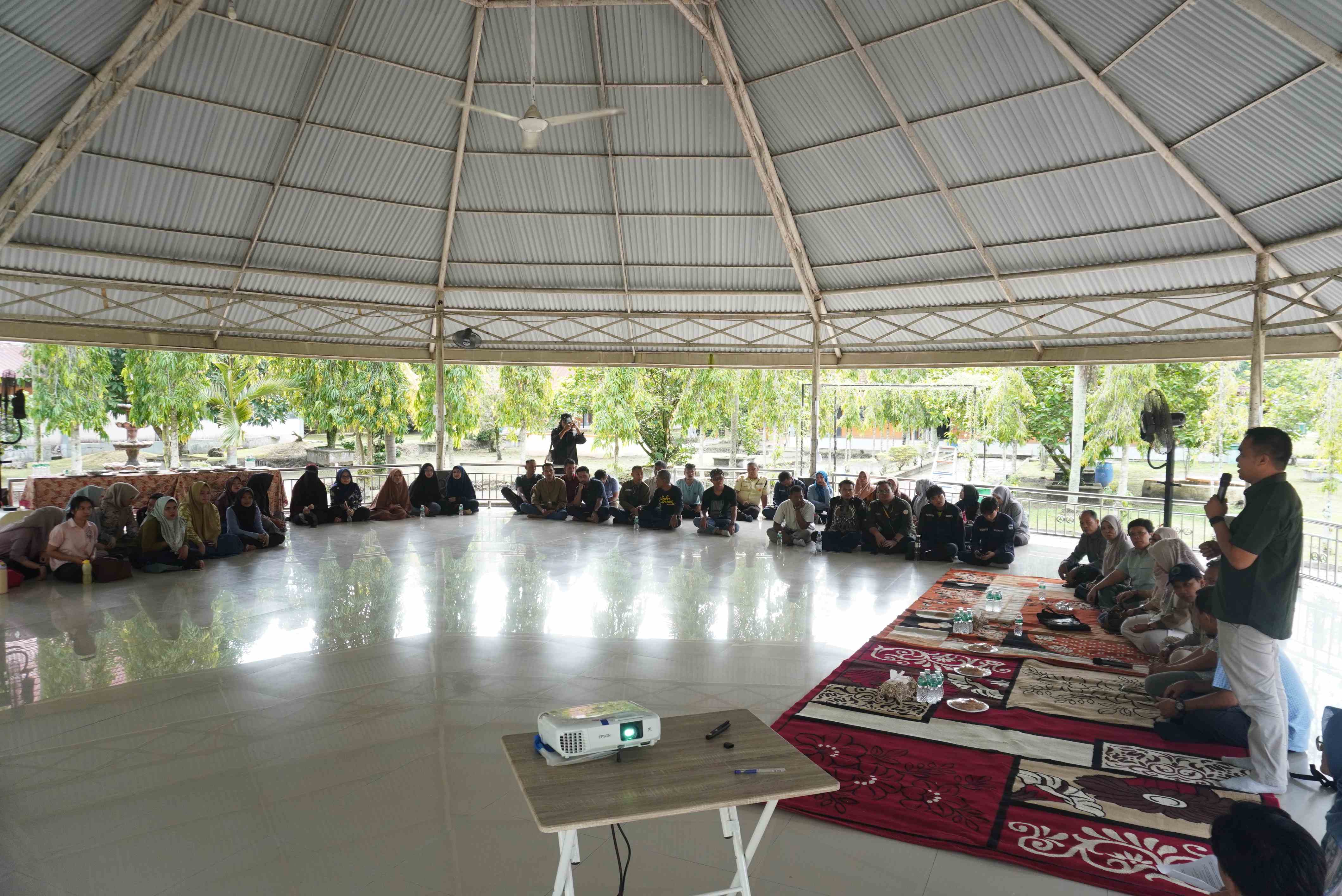
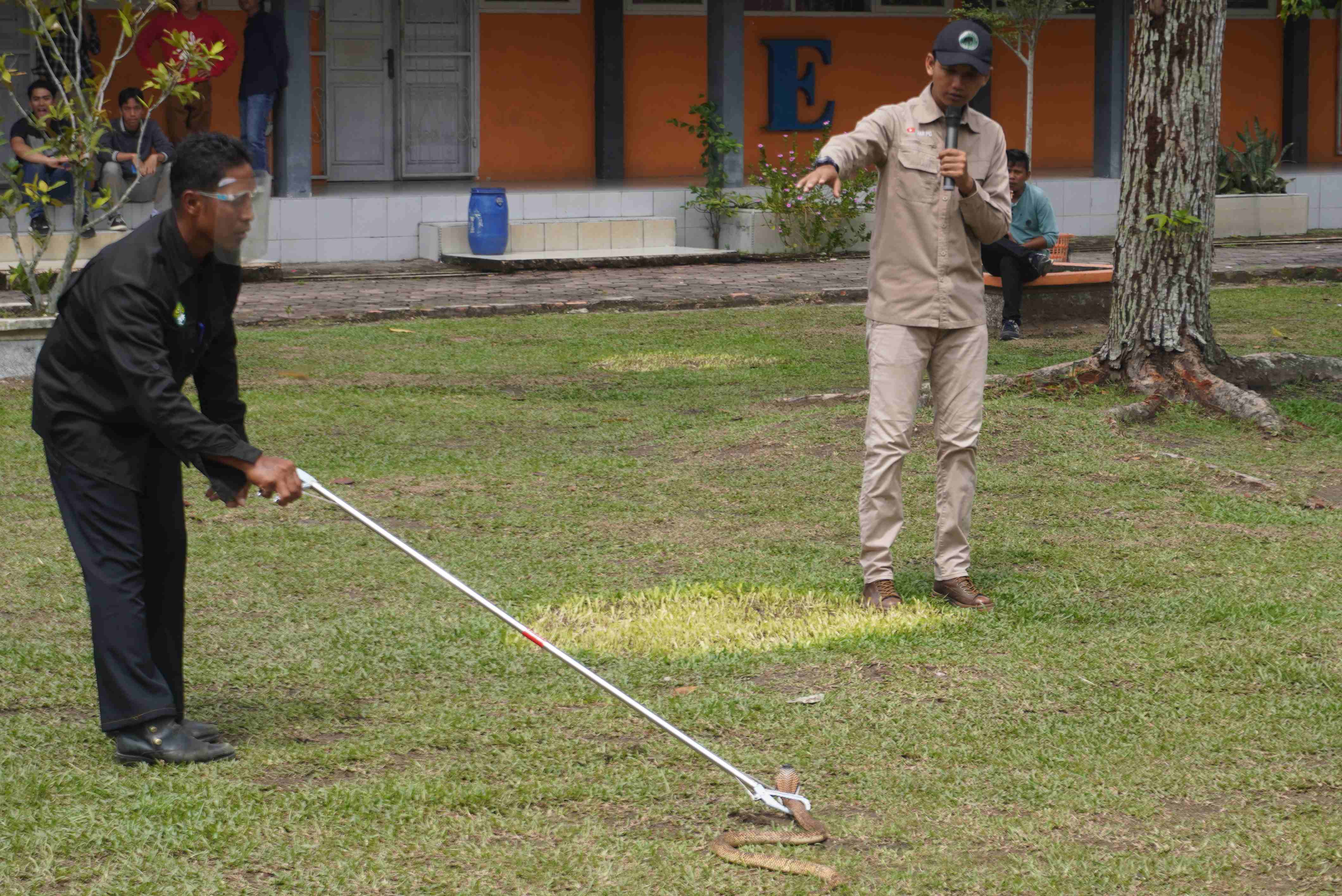
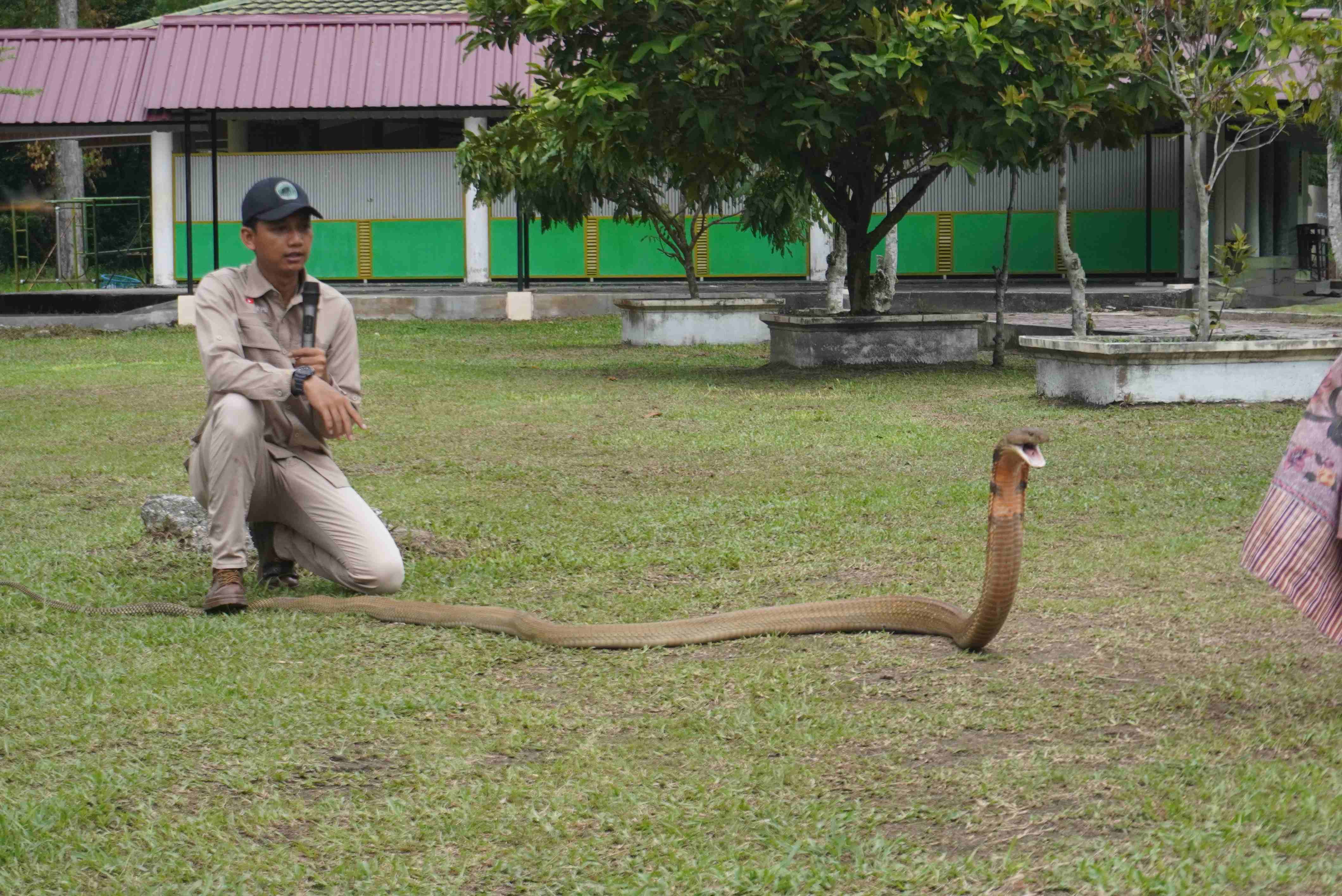
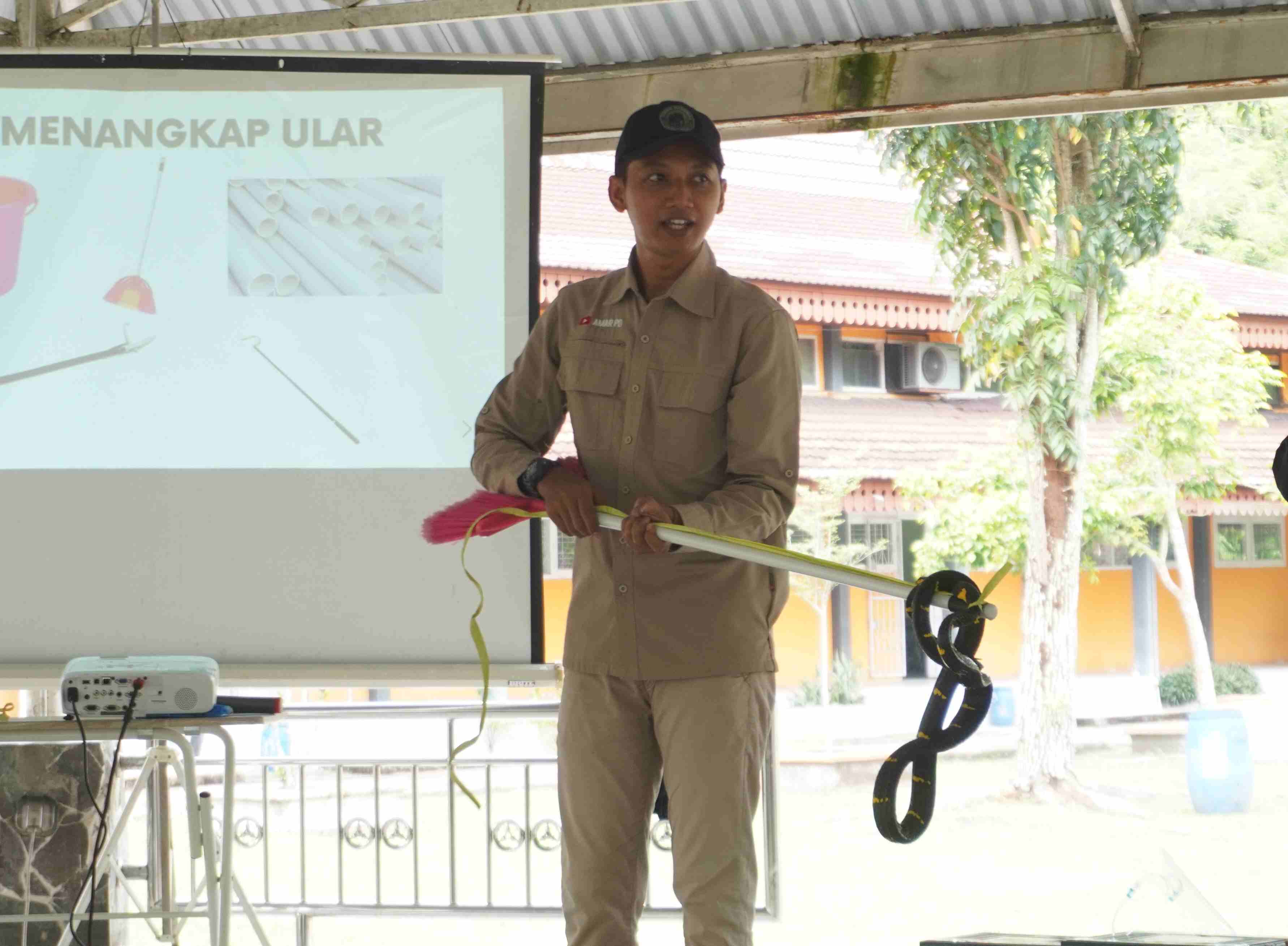
During the training session, Armar PD explained the types of reptiles that may be encountered in the surrounding environment, their characteristics, and their potential danger levels. He also demonstrated basic reptile handling techniques, the proper use of protective equipment, and safety procedures.
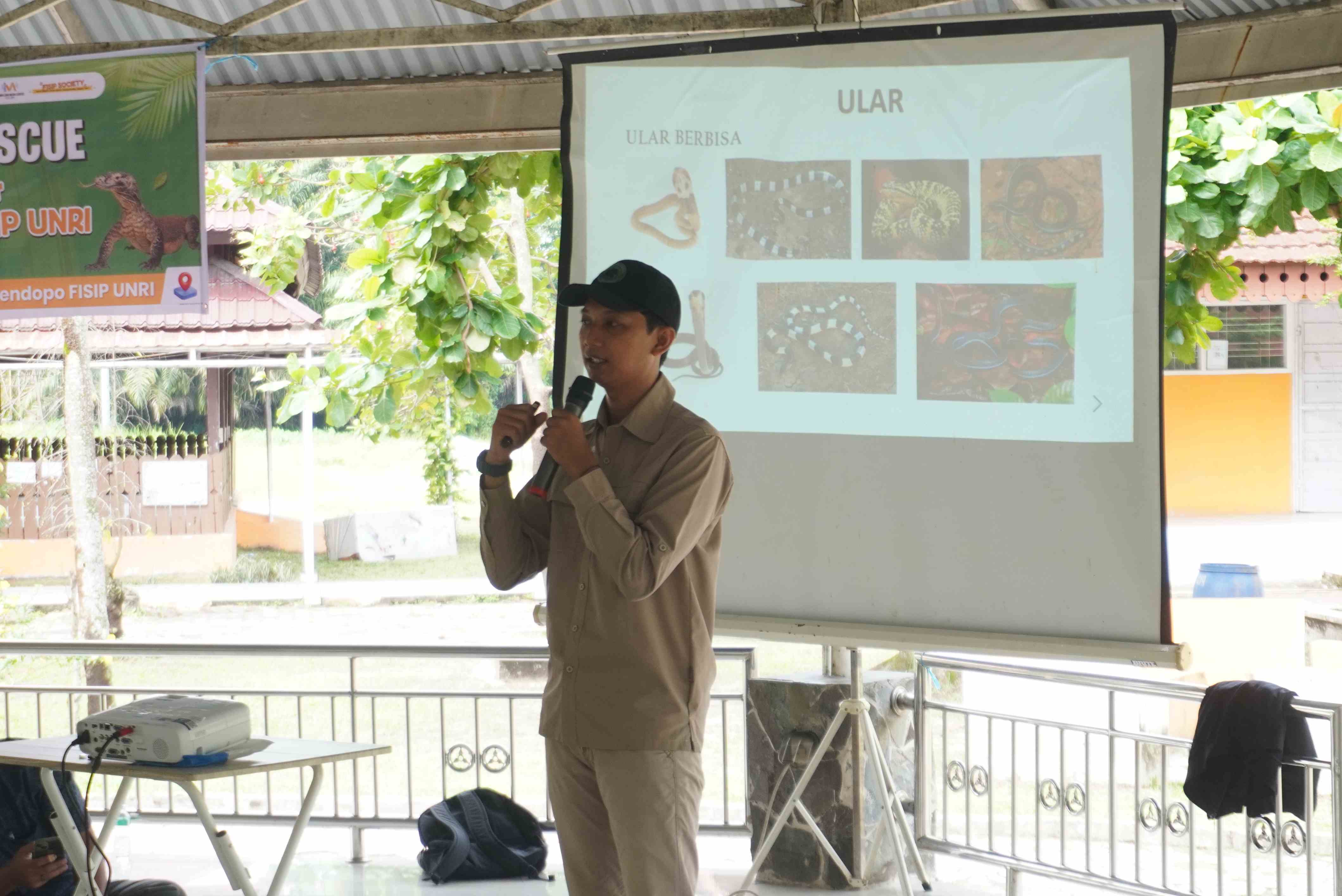
“Reptile handling must be carried out with the right knowledge to avoid harm to both humans and animals,” he explained.
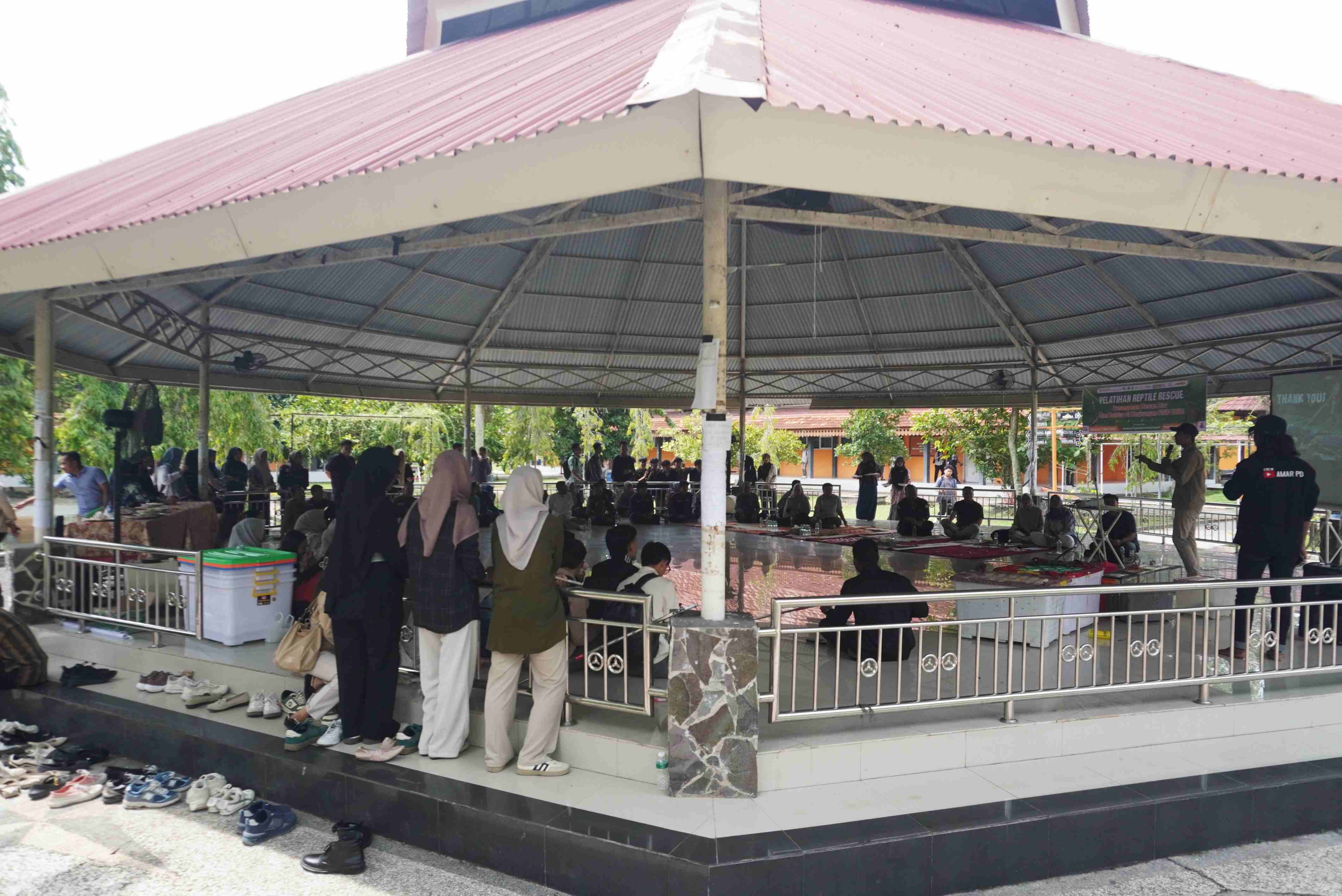
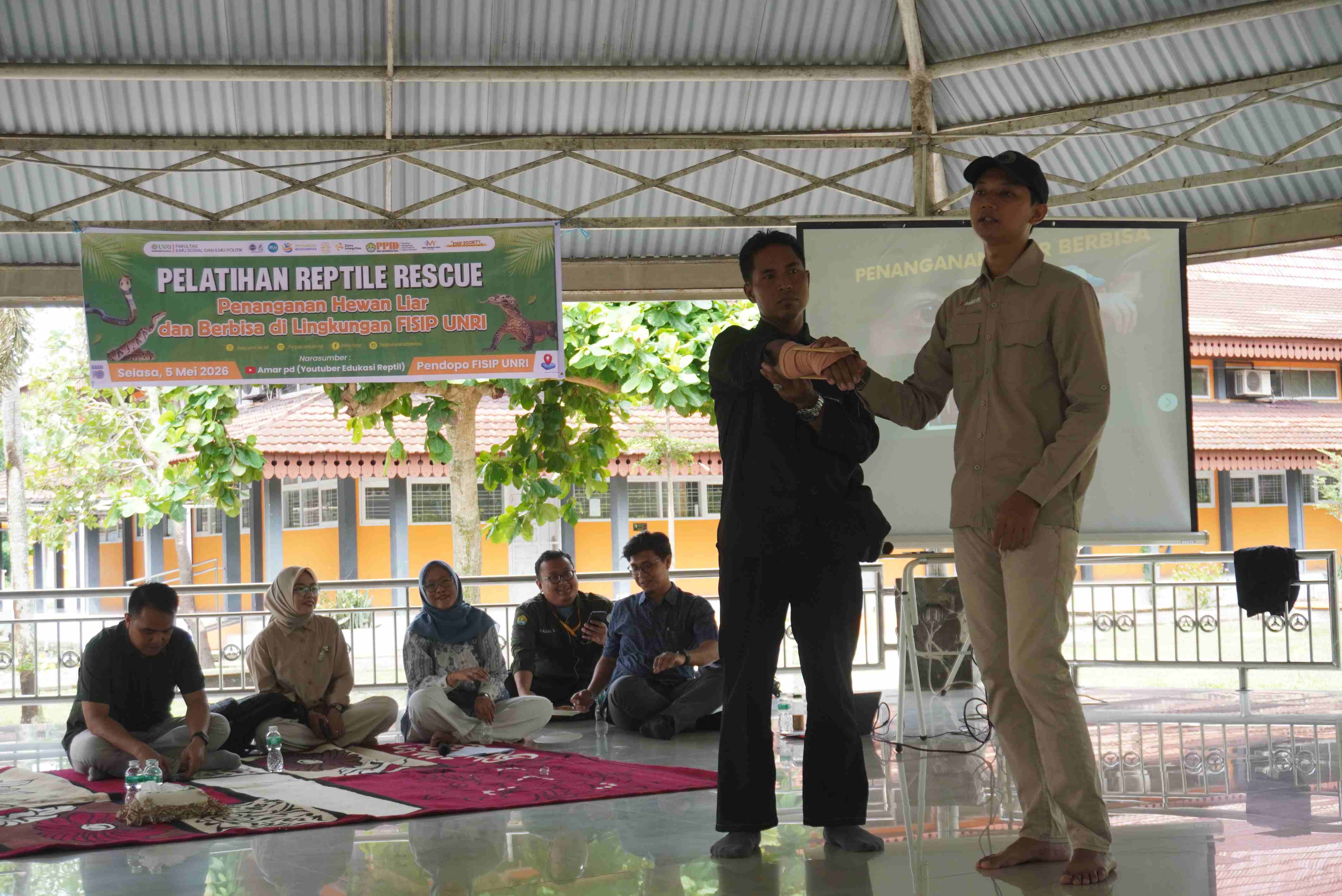
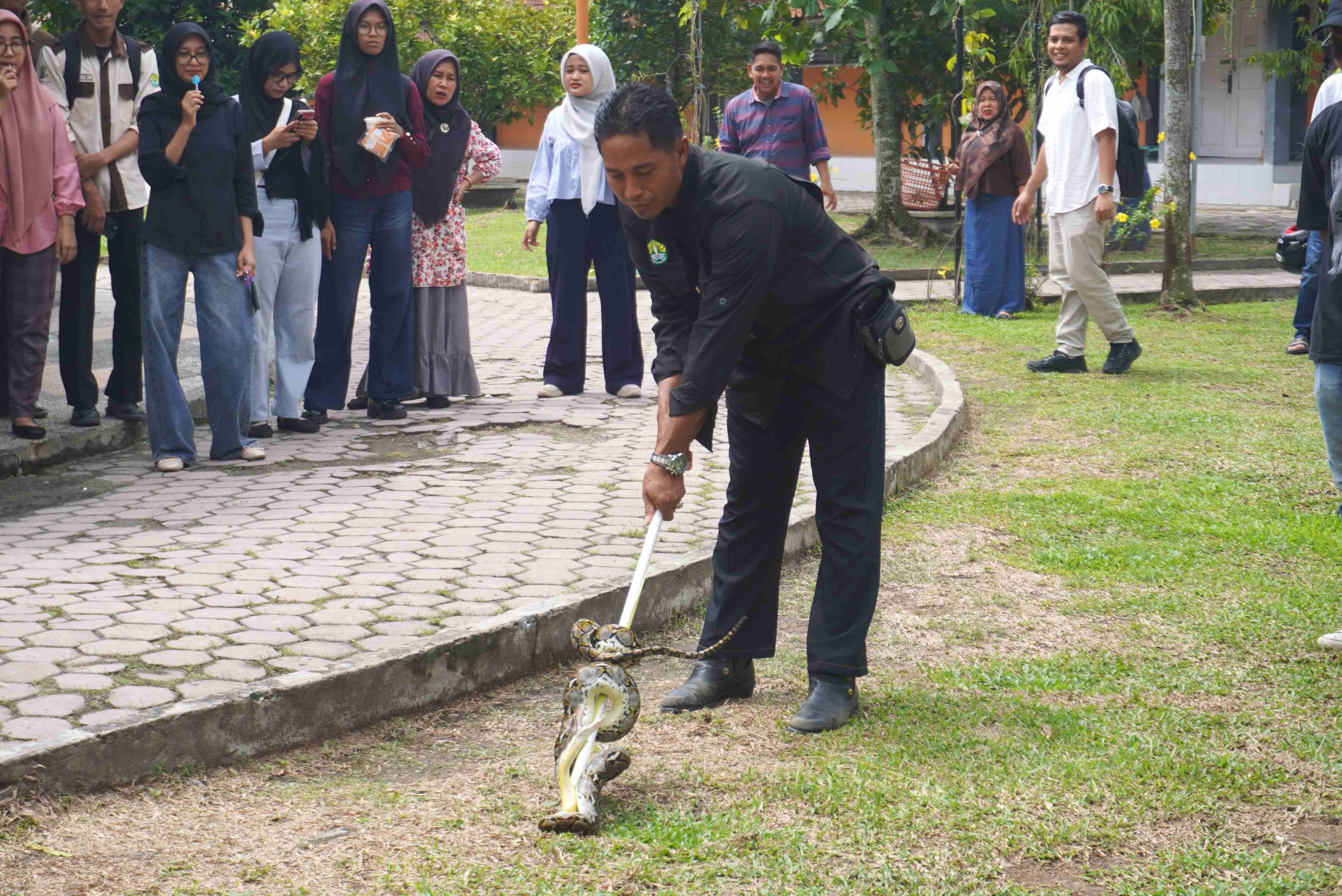
The training also included a hands-on practice session. Participants had the opportunity to practice reptile handling techniques, from approaching the animal and using handling equipment to safely conducting an evacuation under the guidance of the instructor. In addition, emergency response simulations were conducted to strengthen participants’ practical understanding.
Through this initiative, FISIP UNRI is expected to become increasingly prepared and responsive in dealing with the potential presence of wild animals on campus, while also raising awareness of the importance of safety and environmental conservation. (Enggy-RIRY)