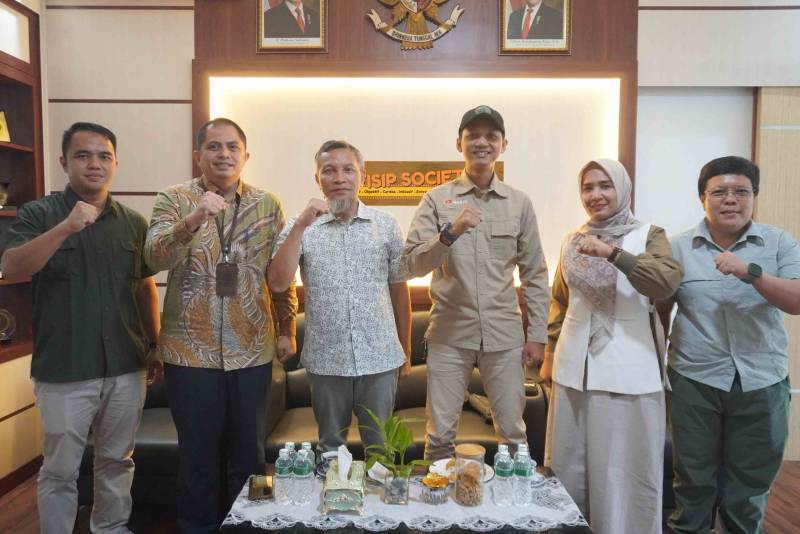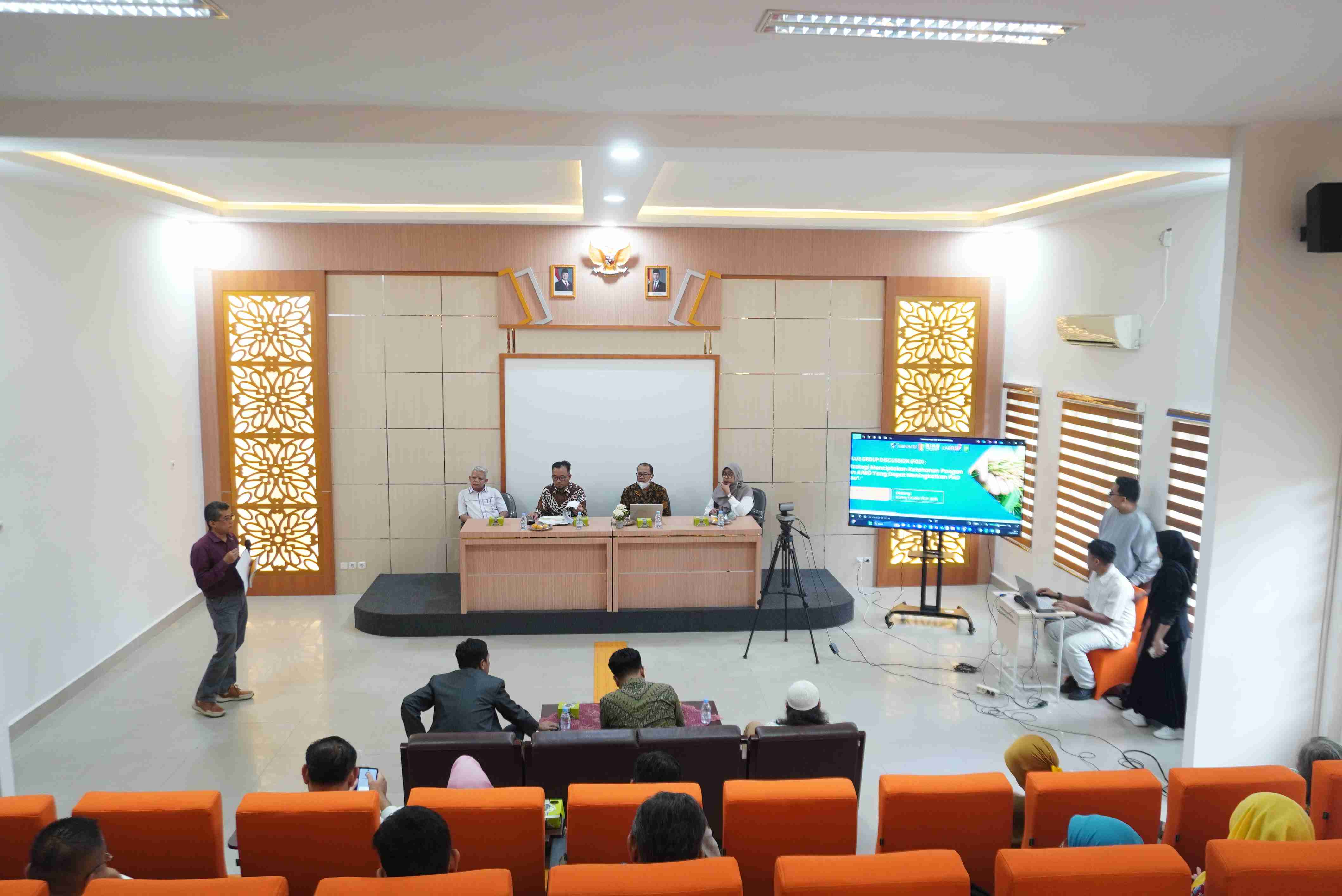
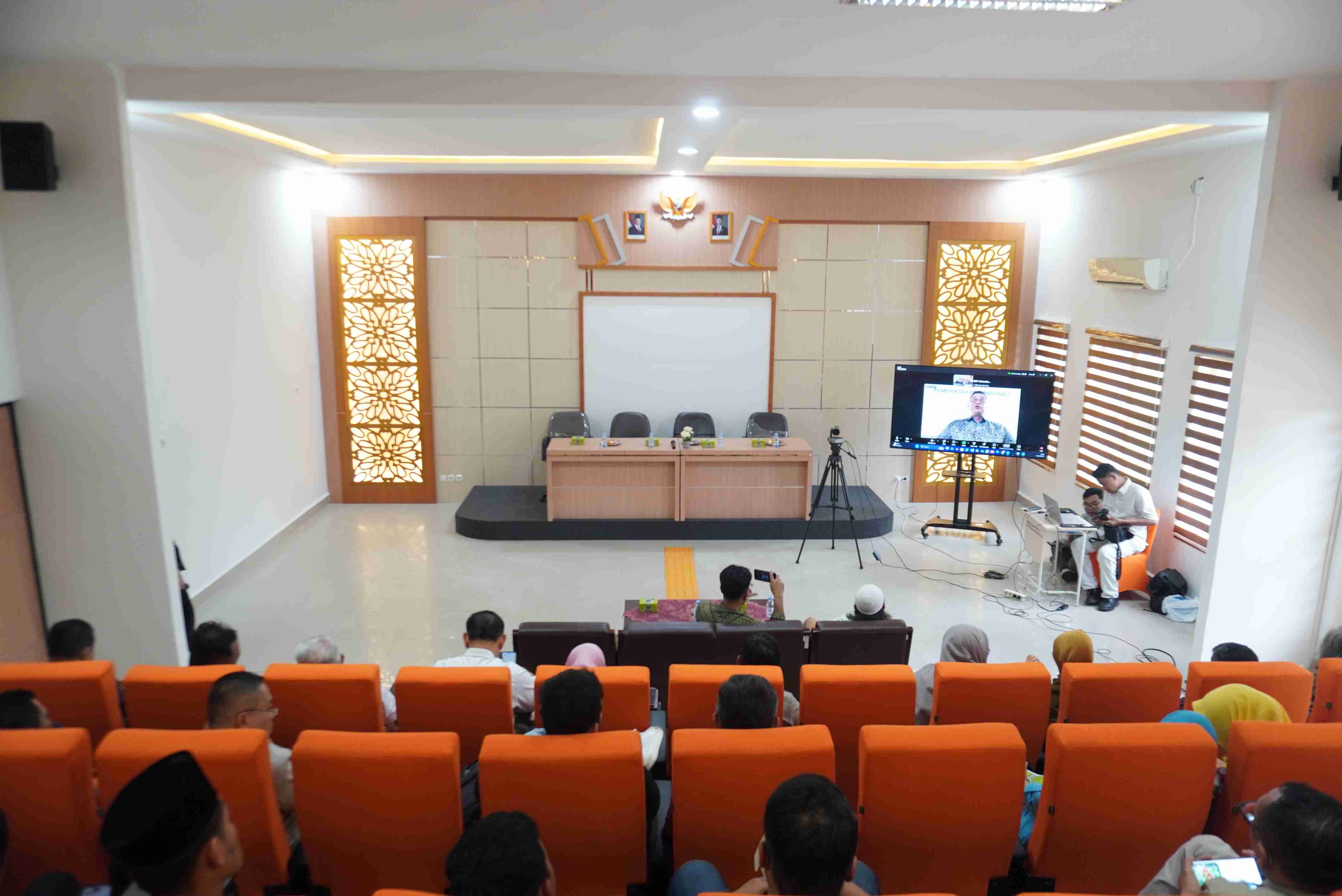
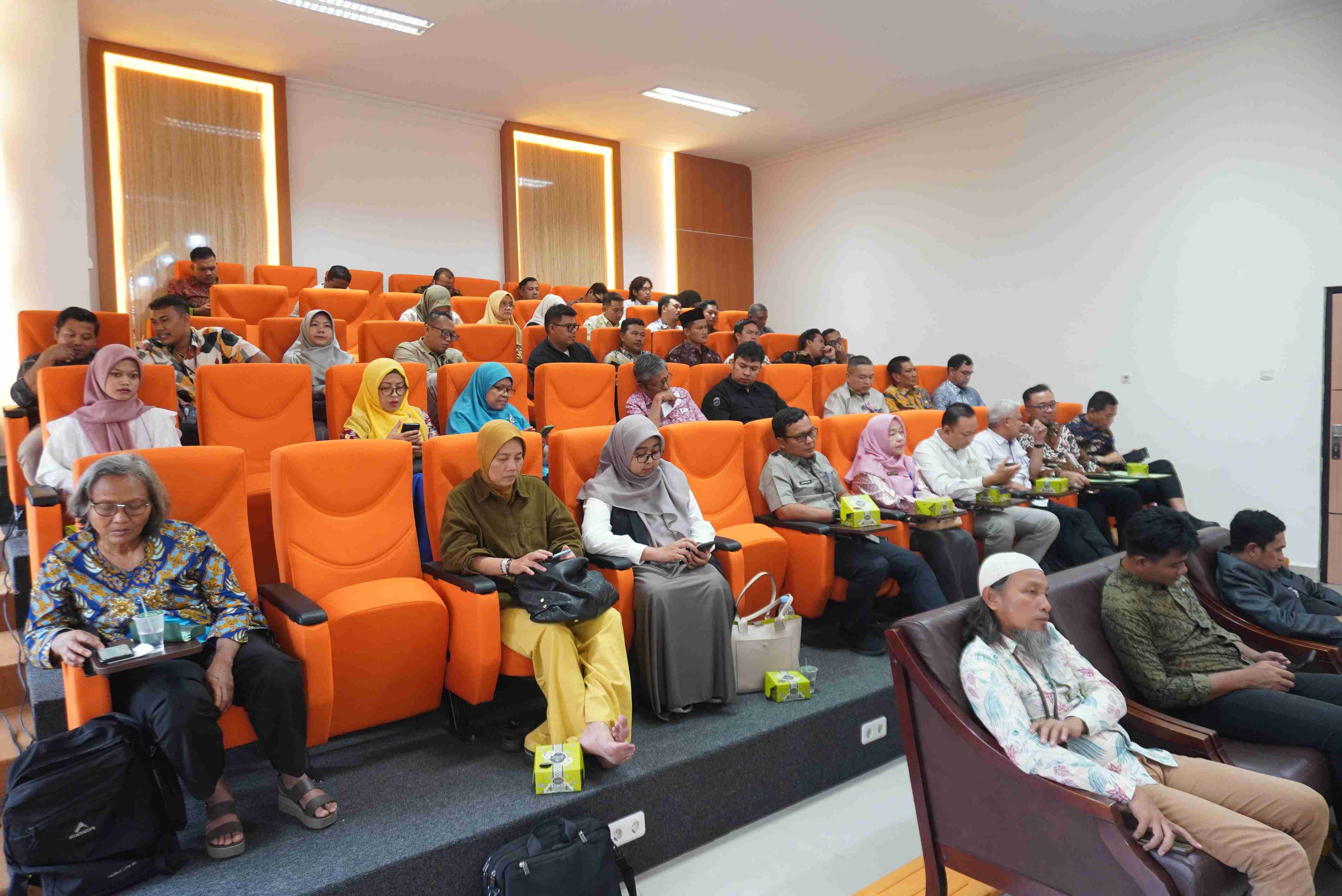
Pekanbaru, December 4, 2025 — The Faculty of Social and Political Sciences (FISIP) of Universitas Riau, in collaboration with the Institute of Policy, Democracy and Sustainability (INSPIRATIF), organized a Focus Group Discussion (FGD) titled “Strategies to Establish Non-Regional Budget (Non-APBD) Food Security to Increase Riau’s Local Revenue (PAD)”. The event, held in the Postgraduate Studio Room of FISIP UNRI, was attended by representatives from government institutions, academia, regional-owned enterprises (BUMD), civil society organizations, as well as university representatives and students.
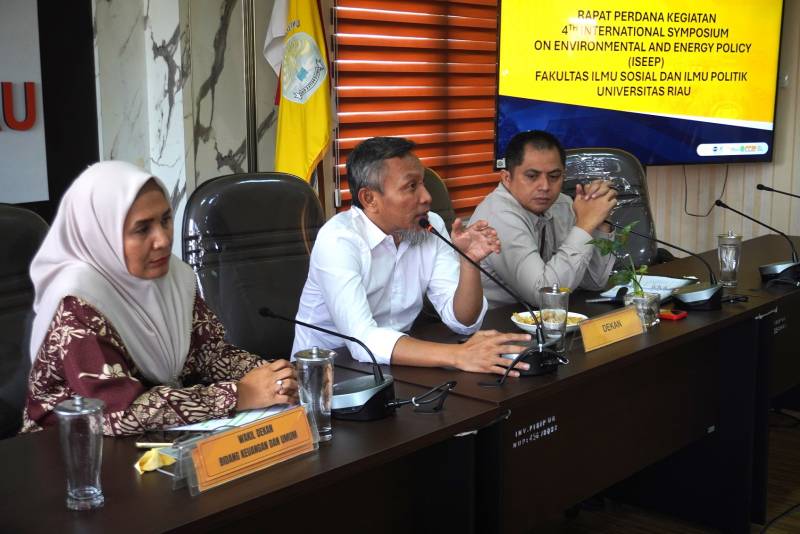
The event began with opening remarks by the Director of INSPIRATIF, Mr. Triono Hadi. In his remarks, he emphasized that strengthening food security in Riau cannot rely solely on the regional budget (APBD). Instead, it must be developed through innovation, cross-sector synergy, and multi-stakeholder collaboration. He noted that this FGD serves as an important momentum to formulate concrete strategies that can be implemented by local governments and business actors.
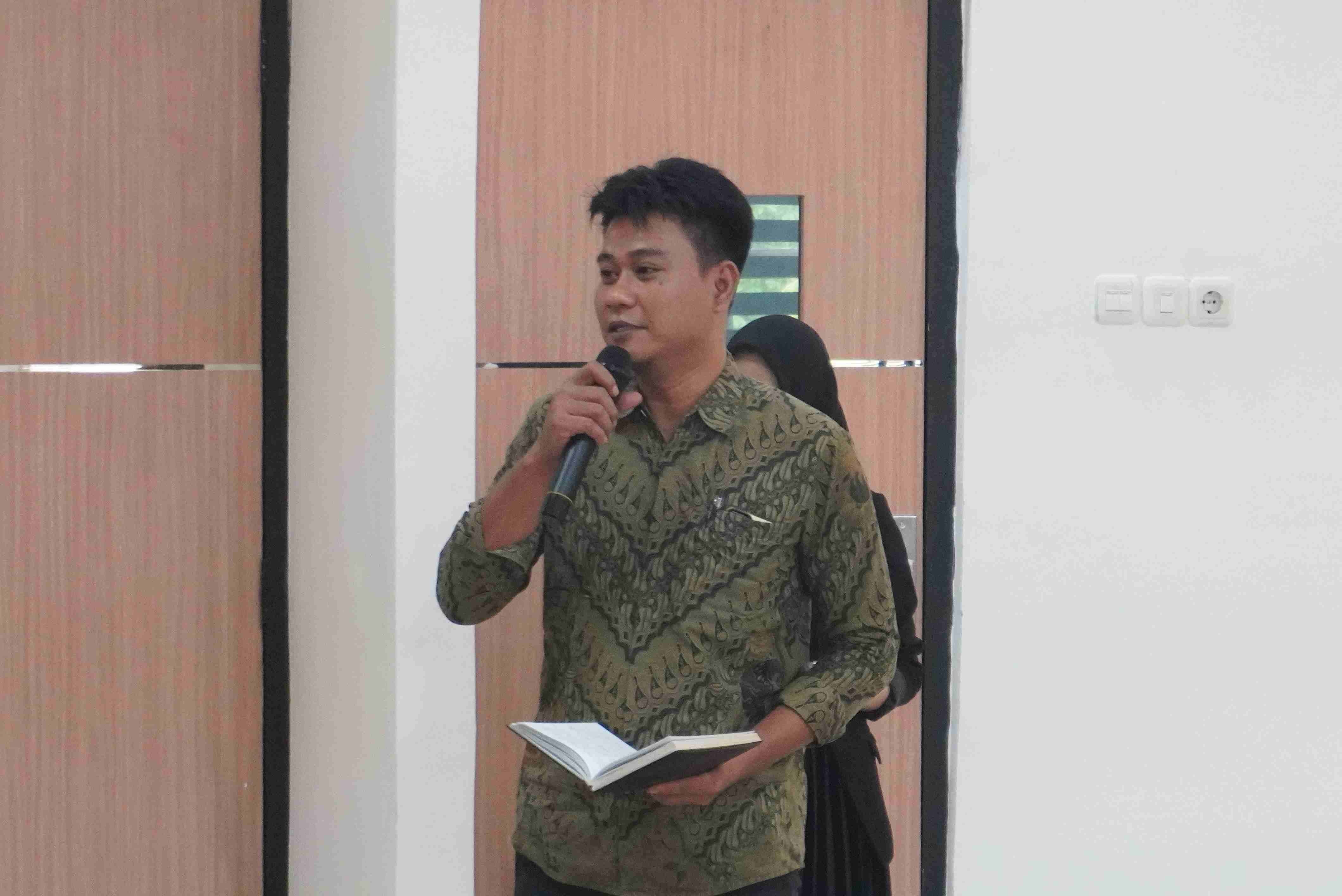
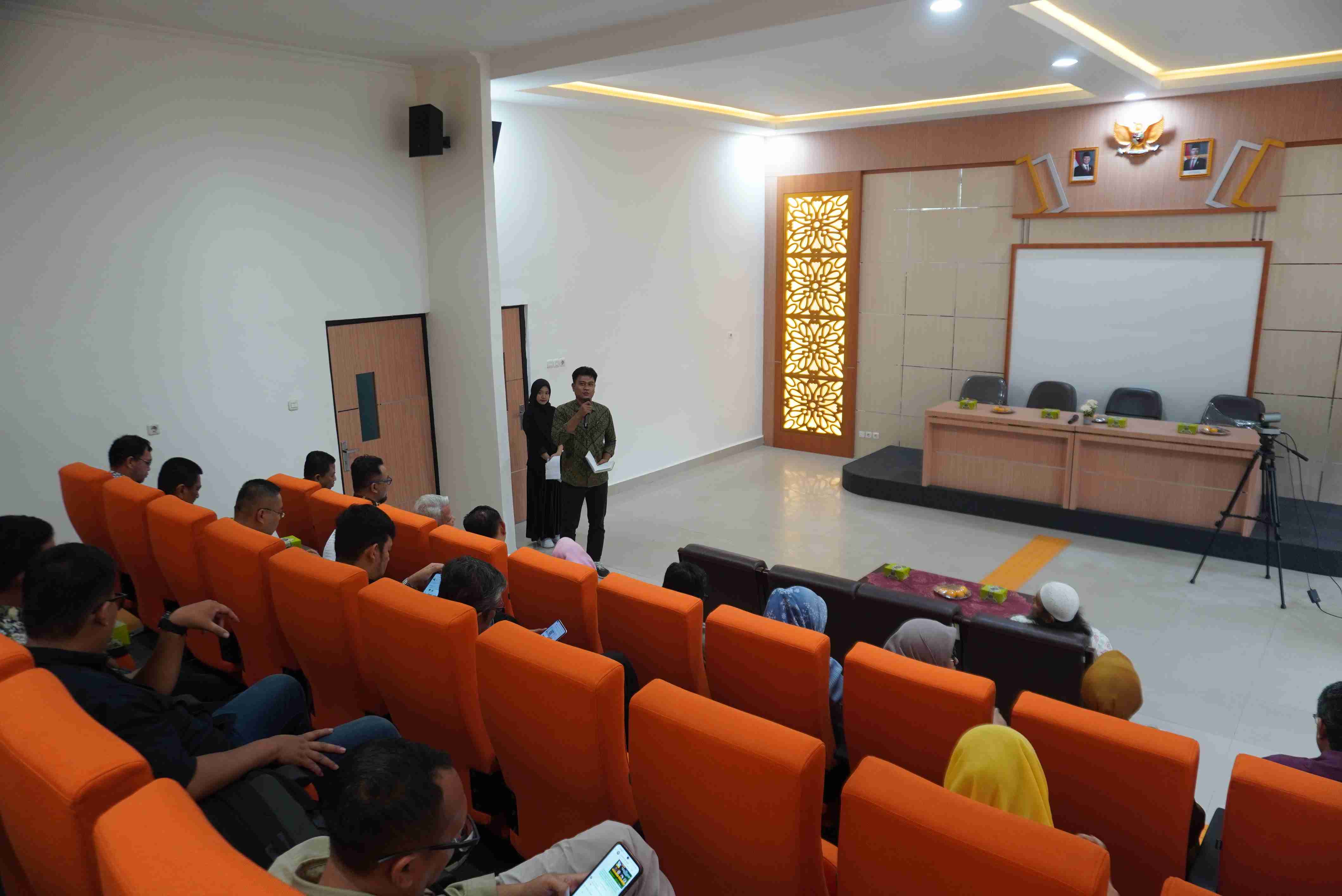
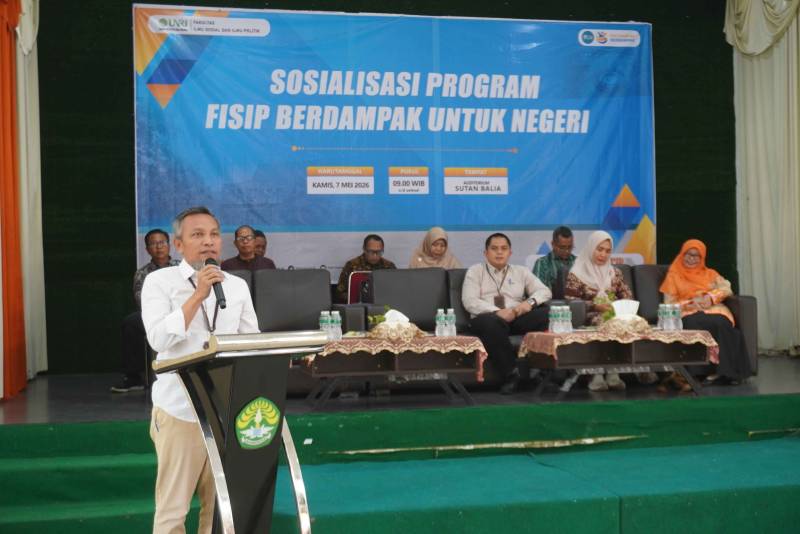
The next remarks were delivered by the Dean of FISIP Universitas Riau, Dr. Meyzi Heriyanto, S.Sos., M.Si. He expressed his appreciation for the FGD as a scientific forum that brings together various stakeholders to discuss and exchange ideas. Dr. Meyzi reaffirmed FISIP UNRI’s commitment to advancing research, innovation, and the formulation of policy recommendations that contribute to regional development, including in strategic issues such as food security.
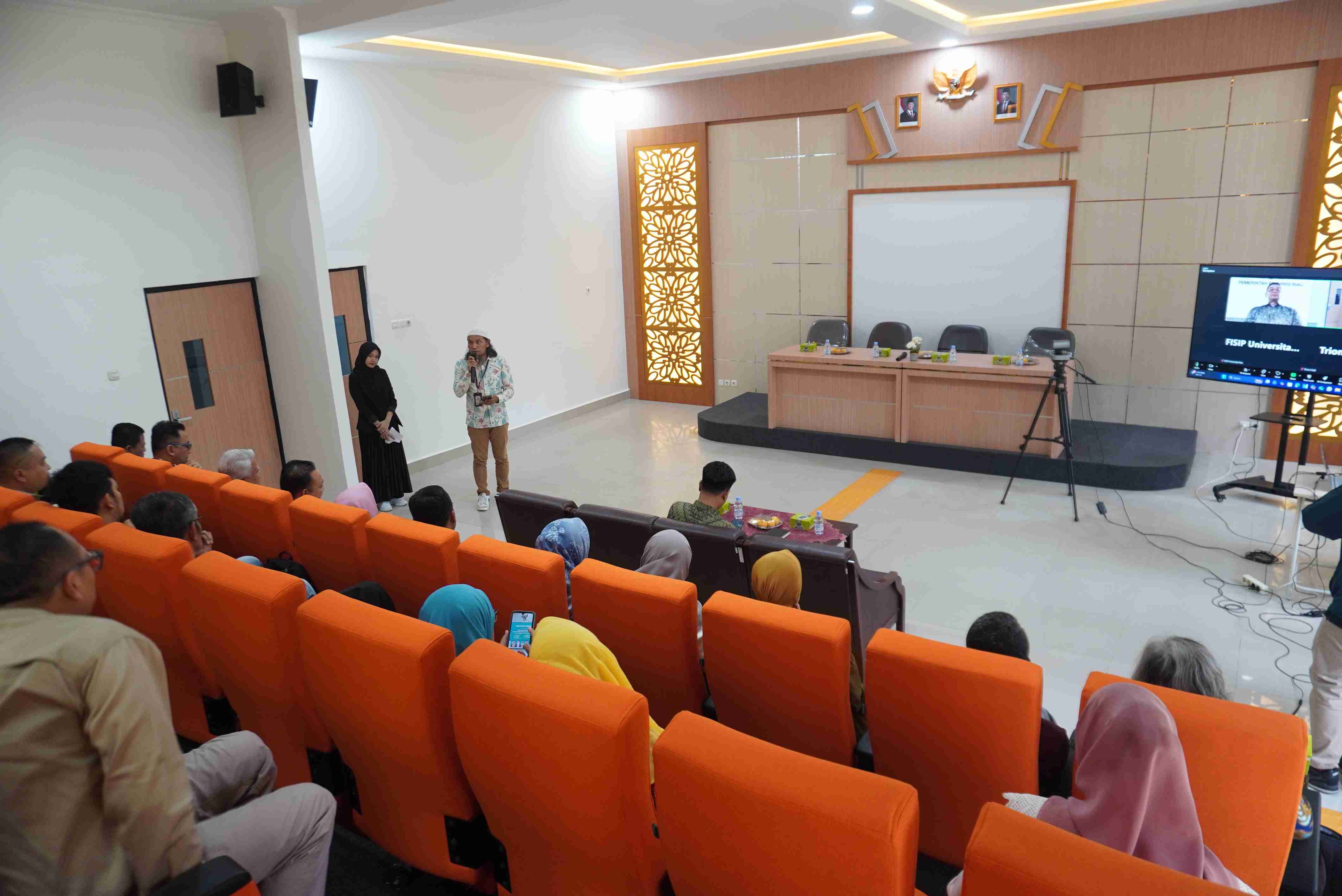
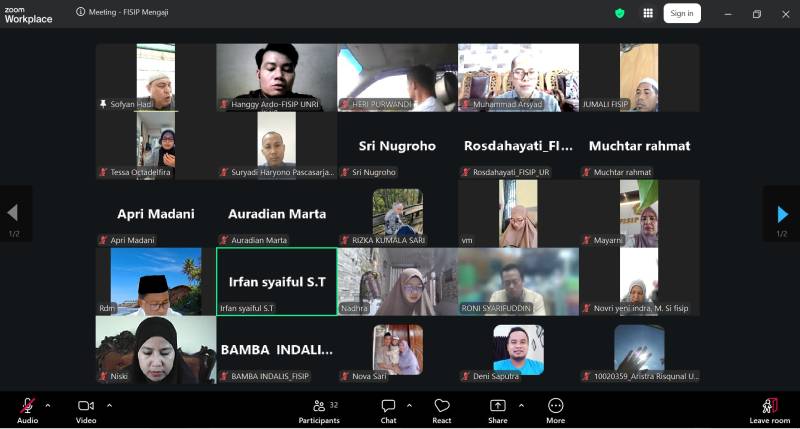
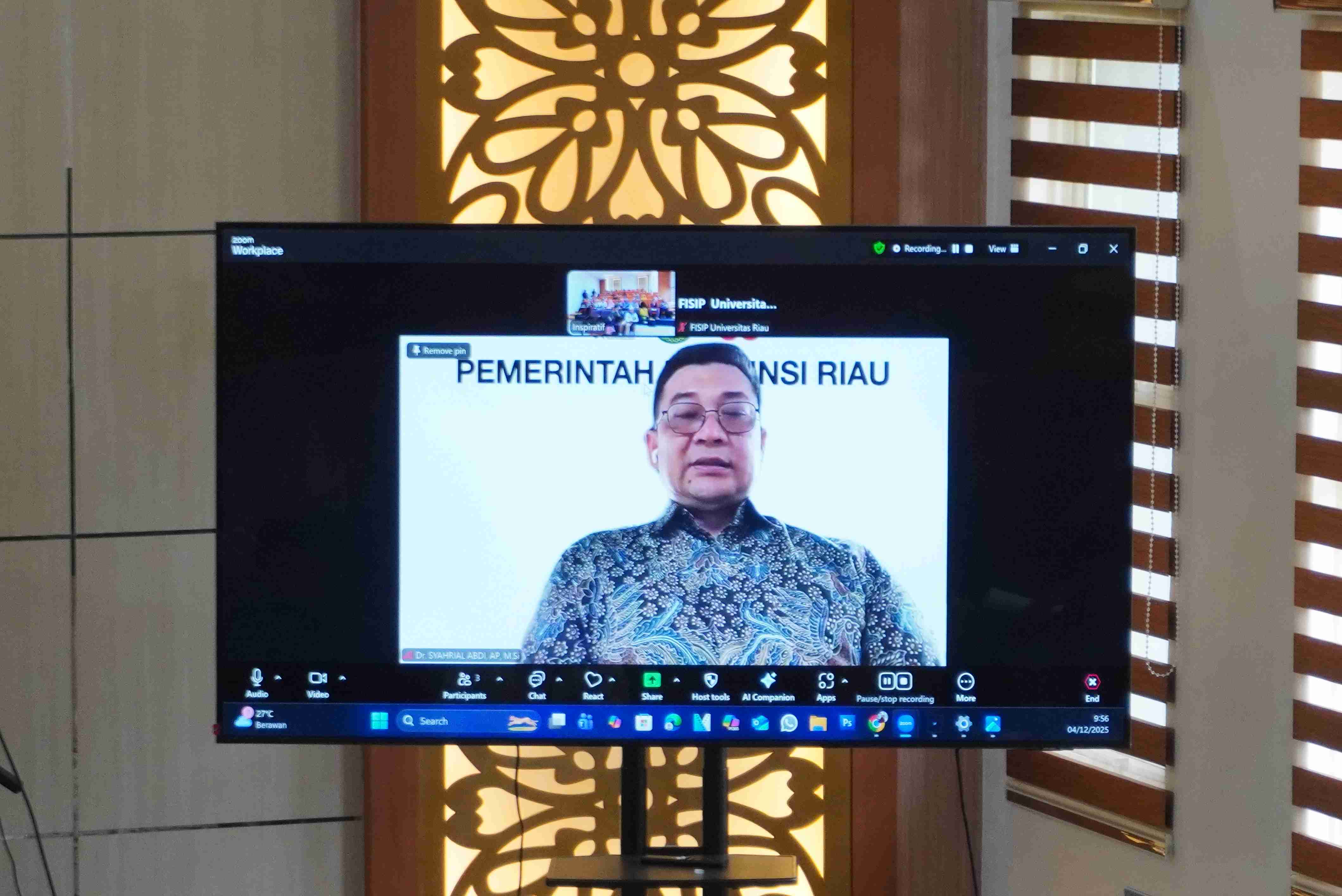
Entering the main session, the Regional Secretary of Riau Province, Dr. H. Syahrial Abdi, AP, M.Si, attended virtually and delivered remarks as well as a Keynote Speech on “Non-APBD Food Security Strategies to Increase Riau’s PAD.” In his presentation, he highlighted the importance of diversifying food sources, optimizing the use of potential land, accelerating agricultural digitalization, and strengthening strategic partnerships among the government, BUMD, academia, and the private sector. He added that Riau has enormous potential to develop the food sector as a new, sustainable source of local revenue.
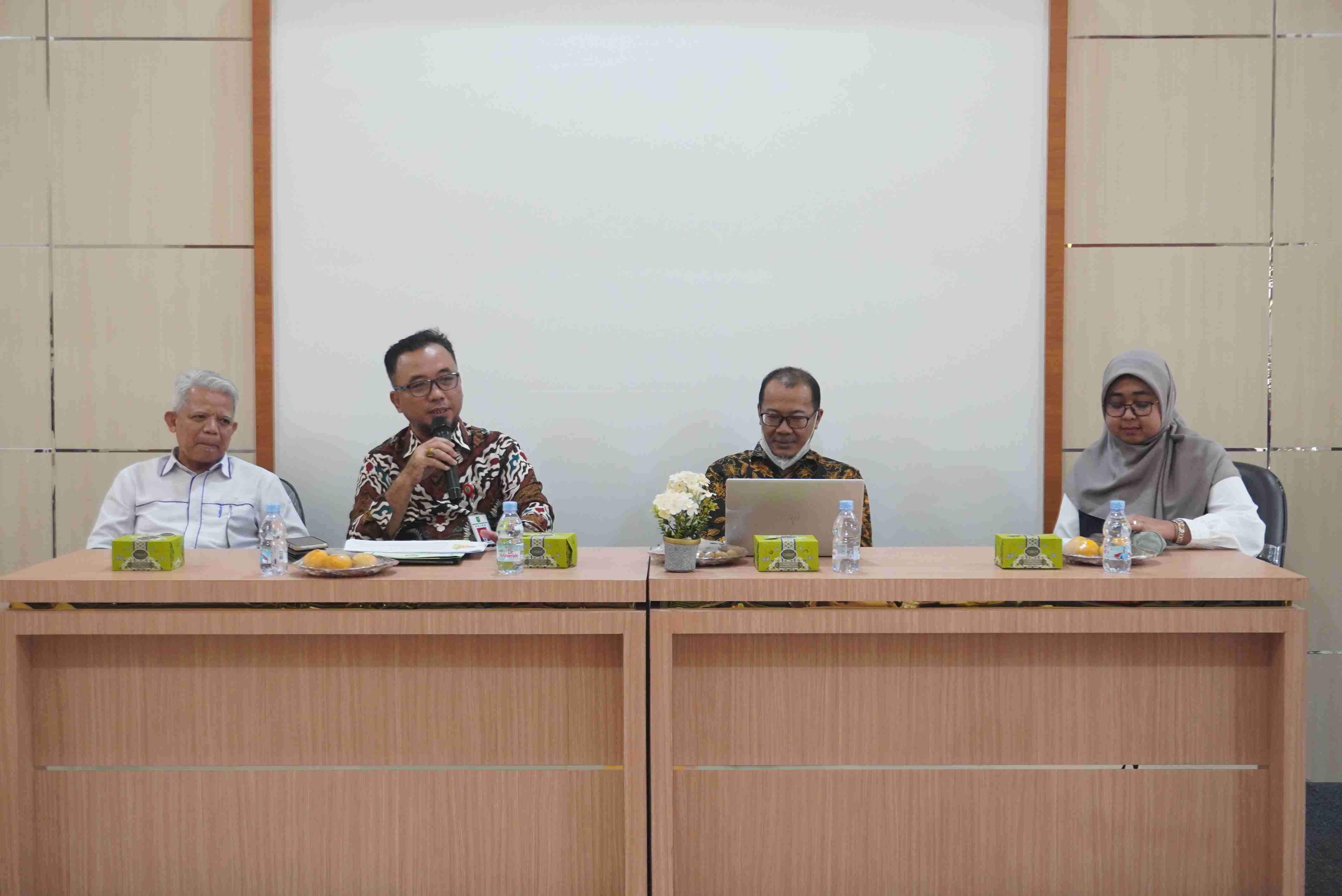
At 9:45 a.m. WIB, the event continued with a discussion session titled “Realities and Data — Opportunities and Challenges in Optimizing Food Security for Riau’s Future,” moderated by Mr. Ahmad Jaman, SIP., MA. The session featured four expert speakers:
1. Dr. Roni Bowo Leksono
(Acting Head of the Riau Food, Food Crops, and Horticulture Office)
Topic: Realities and Data — The Current State of Food Security in Riau
2. Dr. Azharuddin M. Amin, M.Sc
(Academic)
Topic: From Food Security Objectives to Increasing PAD — Funding Food Security Through Private Investment (Non-APBD)
3. Romagia, SE, MM
(Senior Researcher, INSPIRATIF)
Topic: Food Hub — Supply Solutions, Access, and New Ecosystem Models in the Food Chain
4. Dr. Mita Rozaliza, S.Sos., M.Si
Topic: Government Policy Direction for Riau’s Food Security — Reflections on Practices and Future Solutions (The Role of BUMD in Strengthening Food Security in Riau)
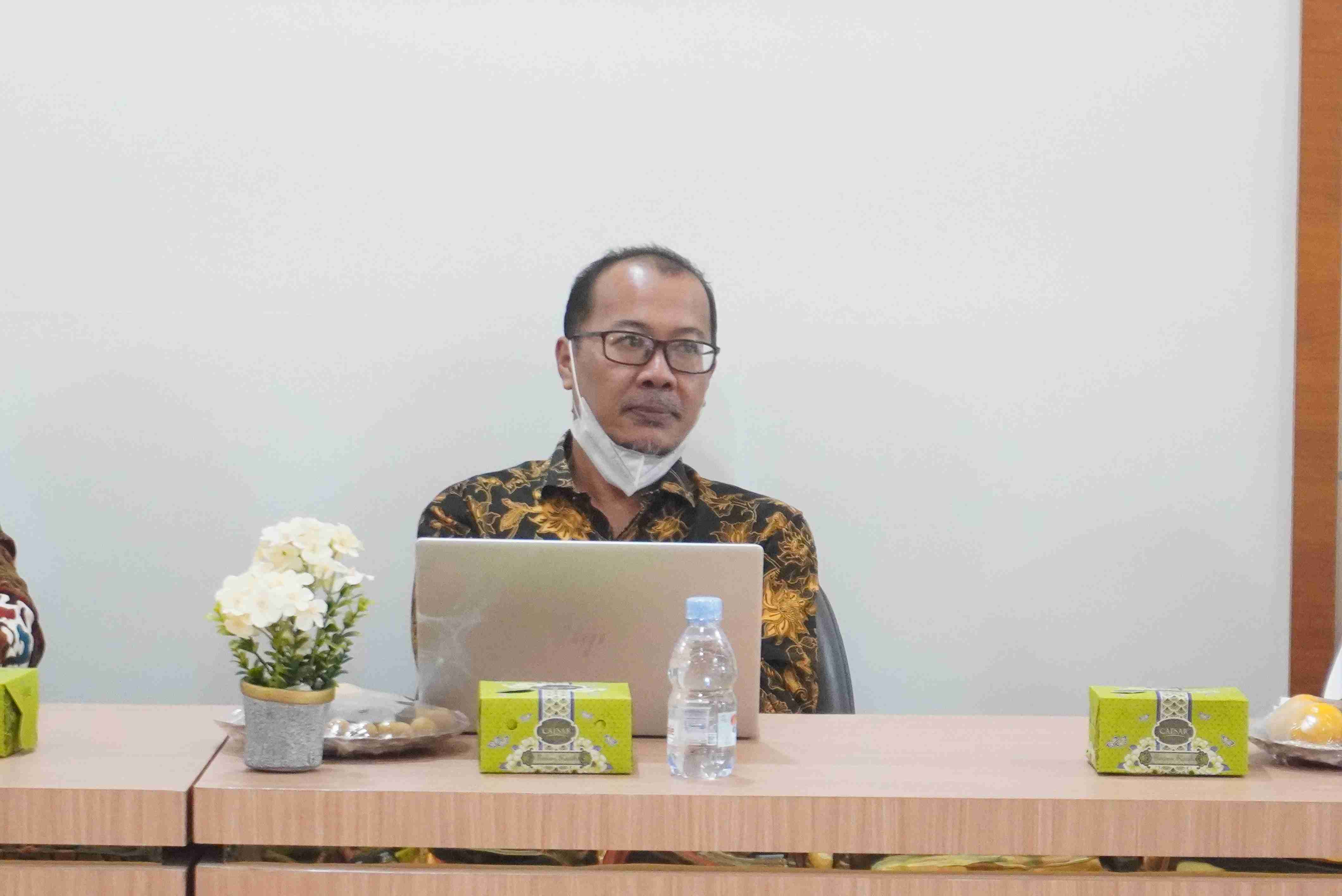
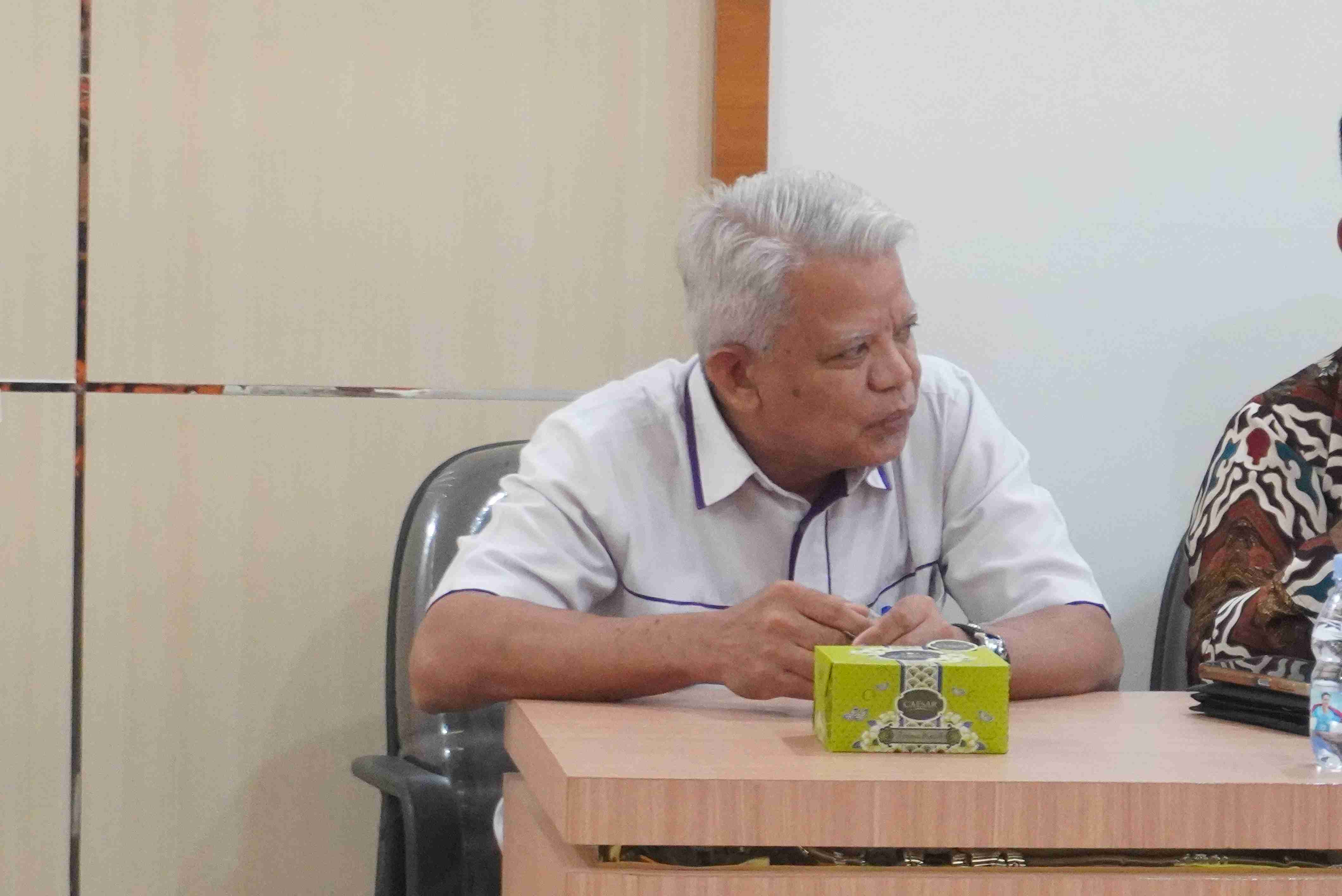
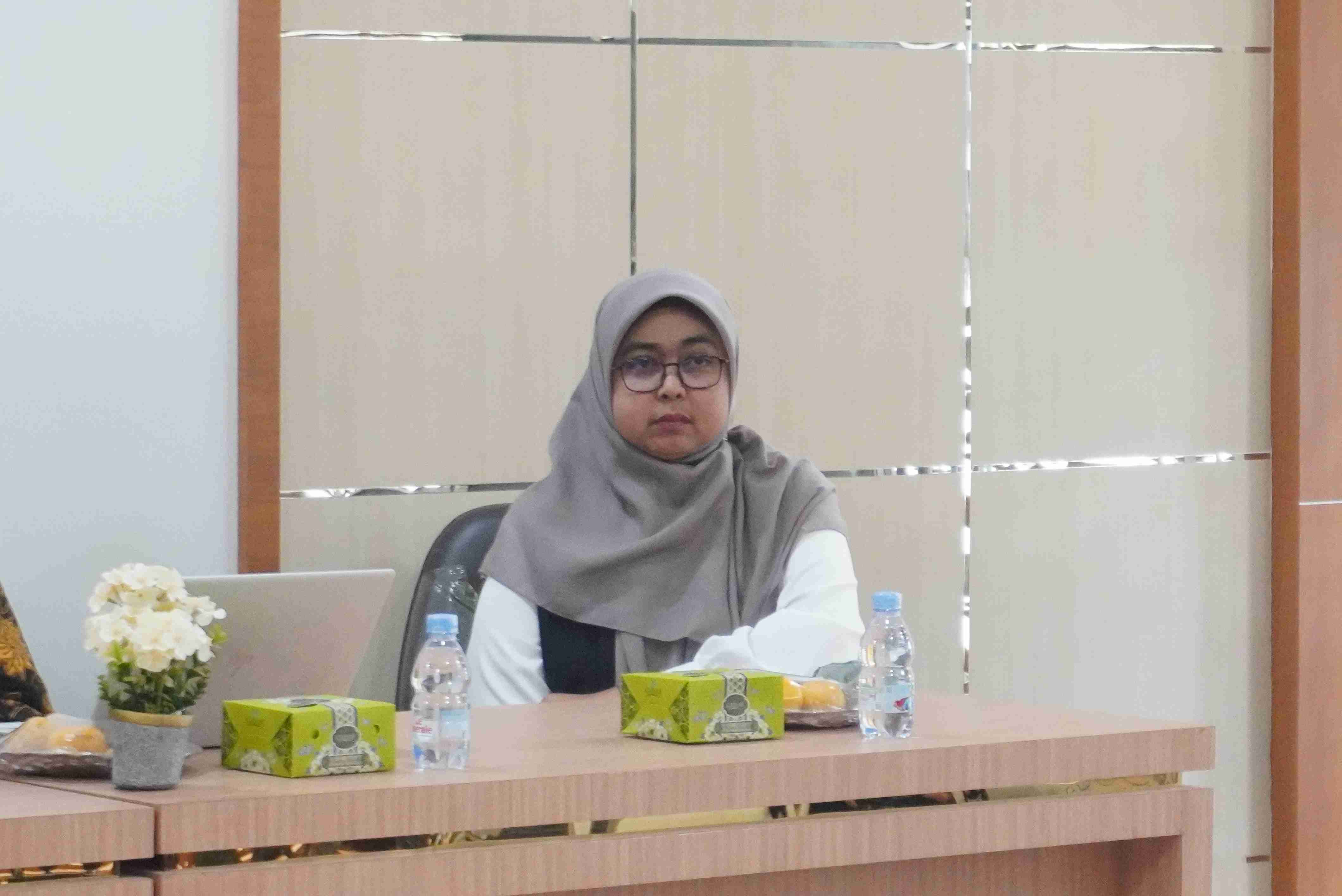
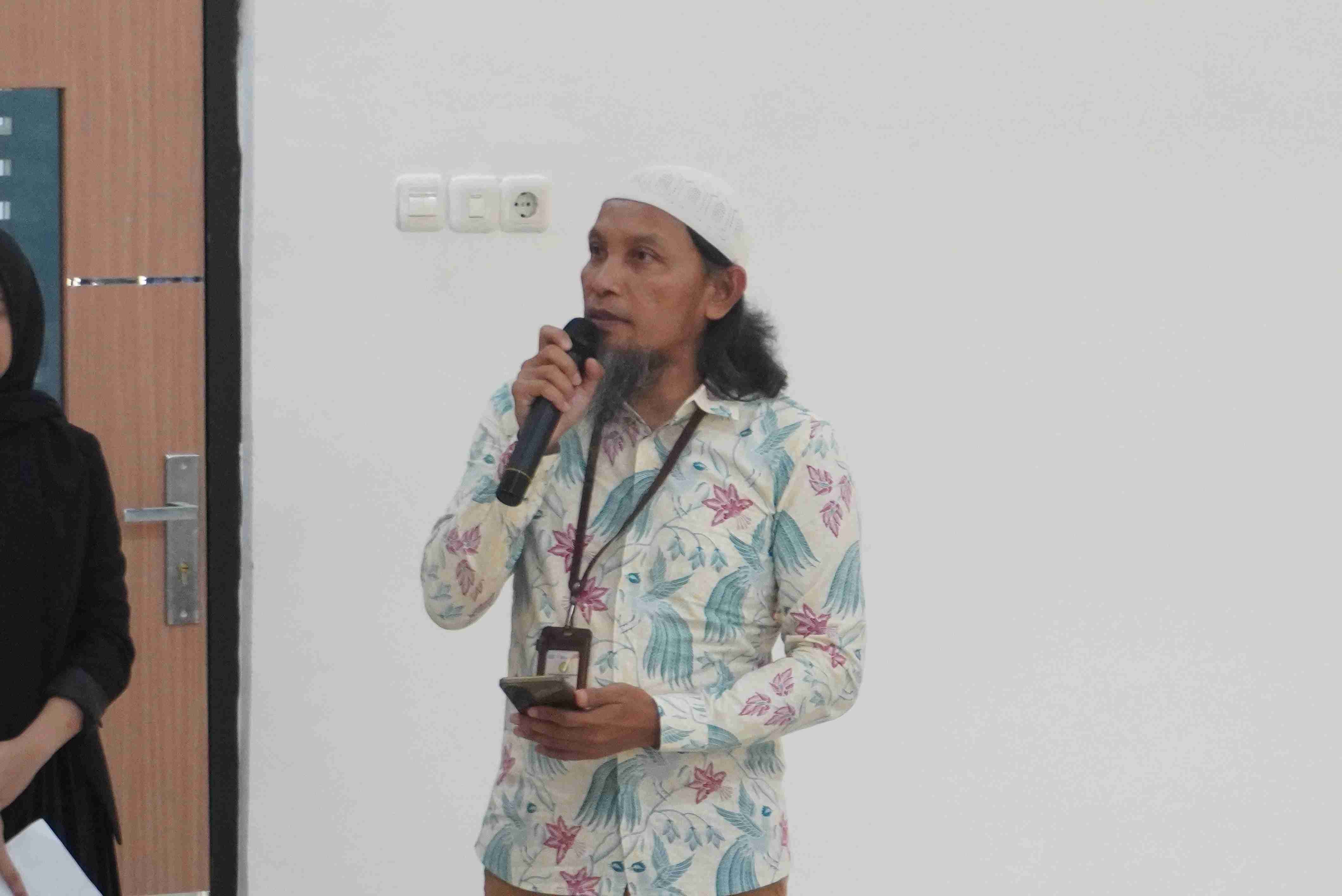
The speakers presented various strategic issues, ranging from the need for accurate food data, innovations in food governance, strengthening the role of BUMD, to developing a collaborative multi-stakeholder food ecosystem. The discussion was lively, with active participation from attendees representing government agencies, research institutions, civil society organizations, and students from various universities in Riau.
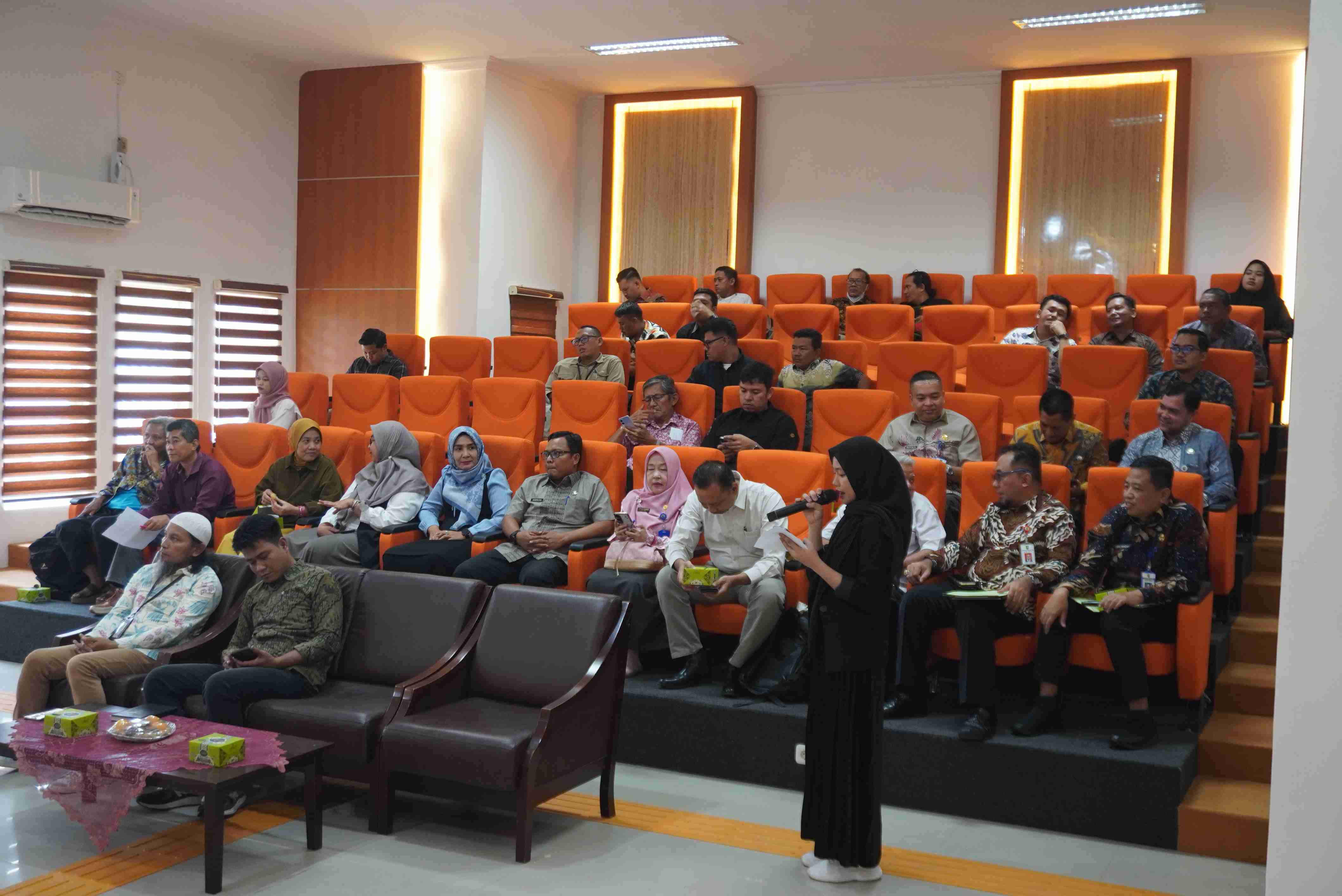
The FGD concluded at 12:00 p.m. WIB with a closing remark from the committee. The organizers hope that the outcomes of this discussion will serve as applicable policy recommendations for the Riau Provincial Government to strengthen regional food security without relying on the regional budget, while also opening opportunities to increase local revenue through innovative and sustainable food sector development. (Enggy)