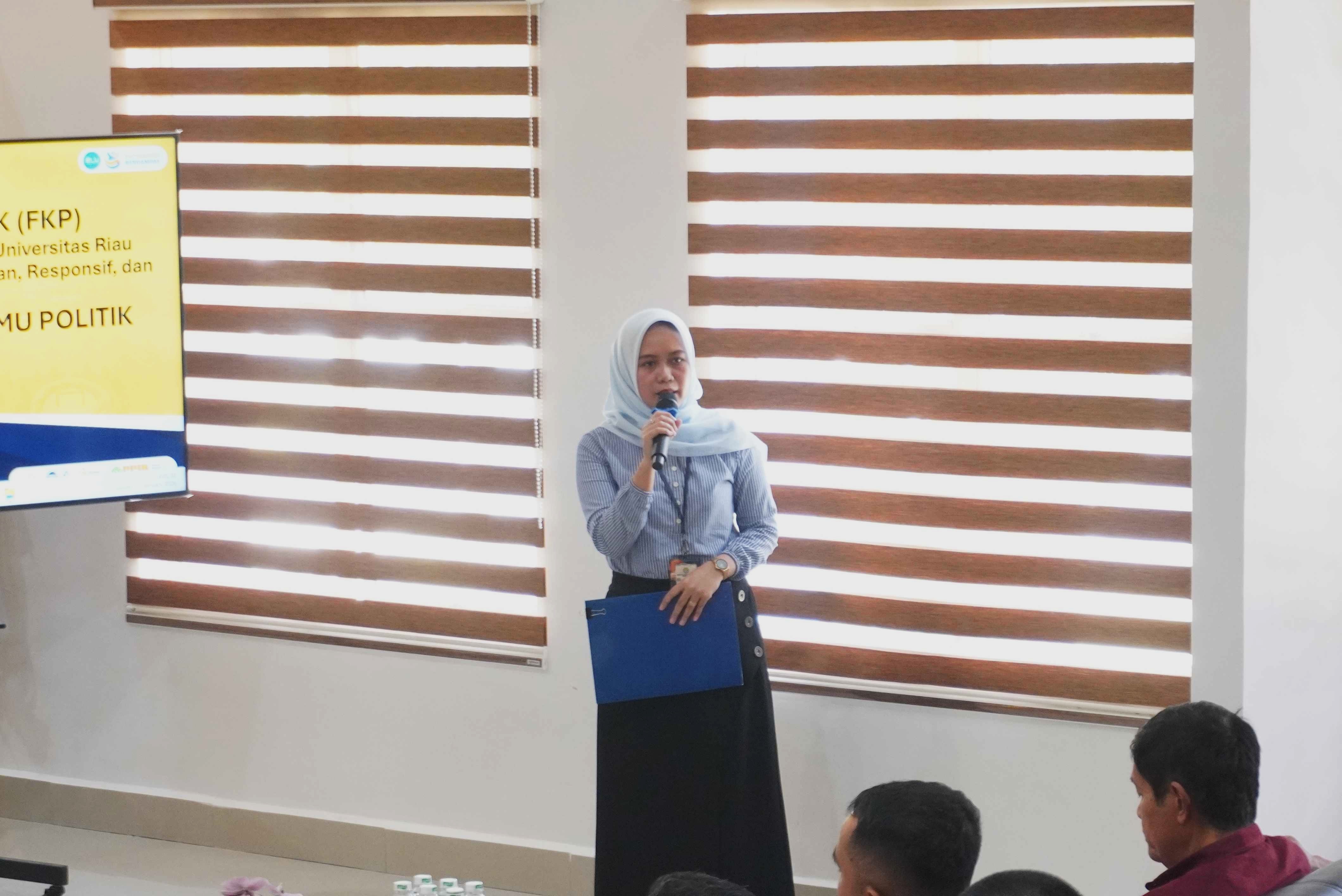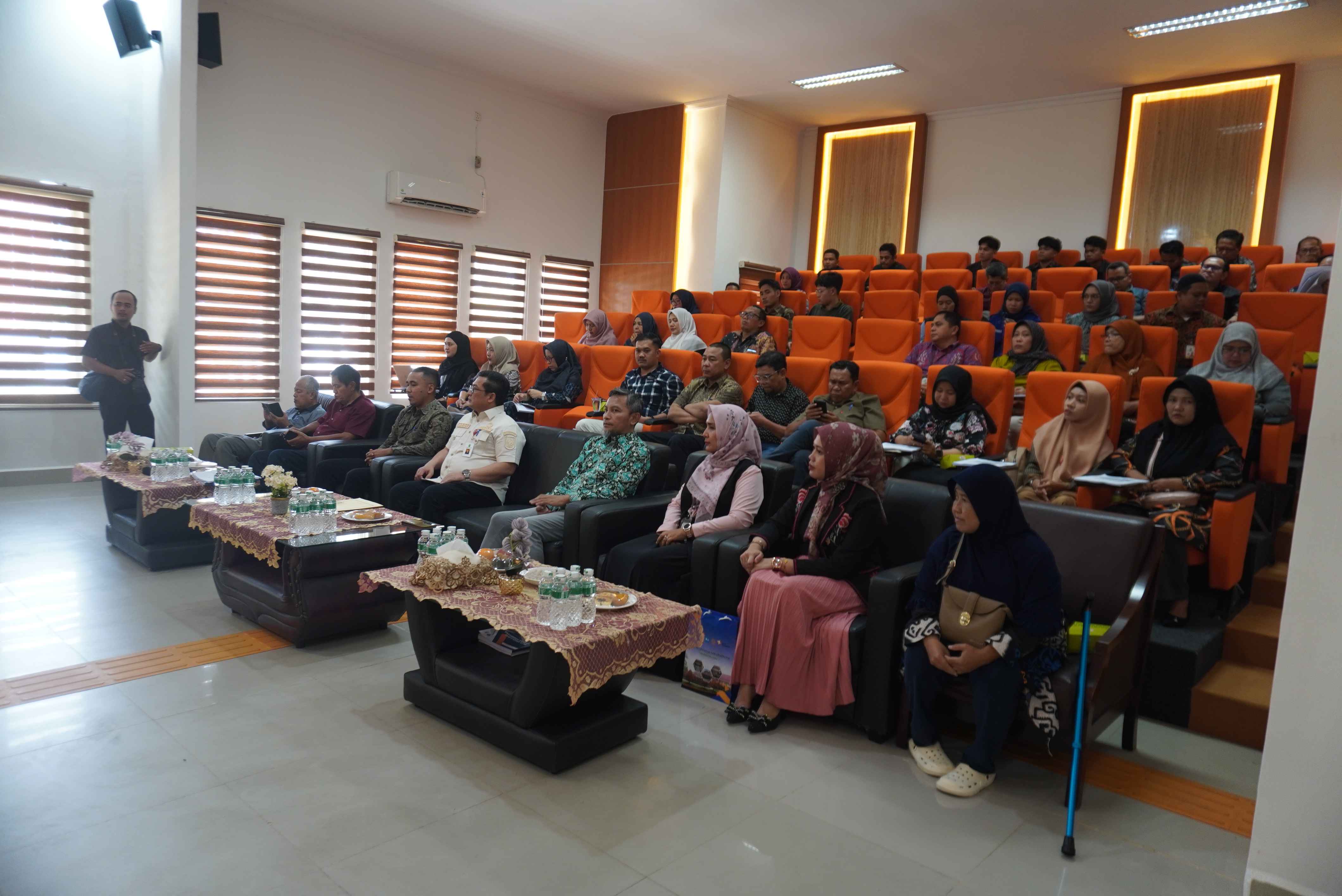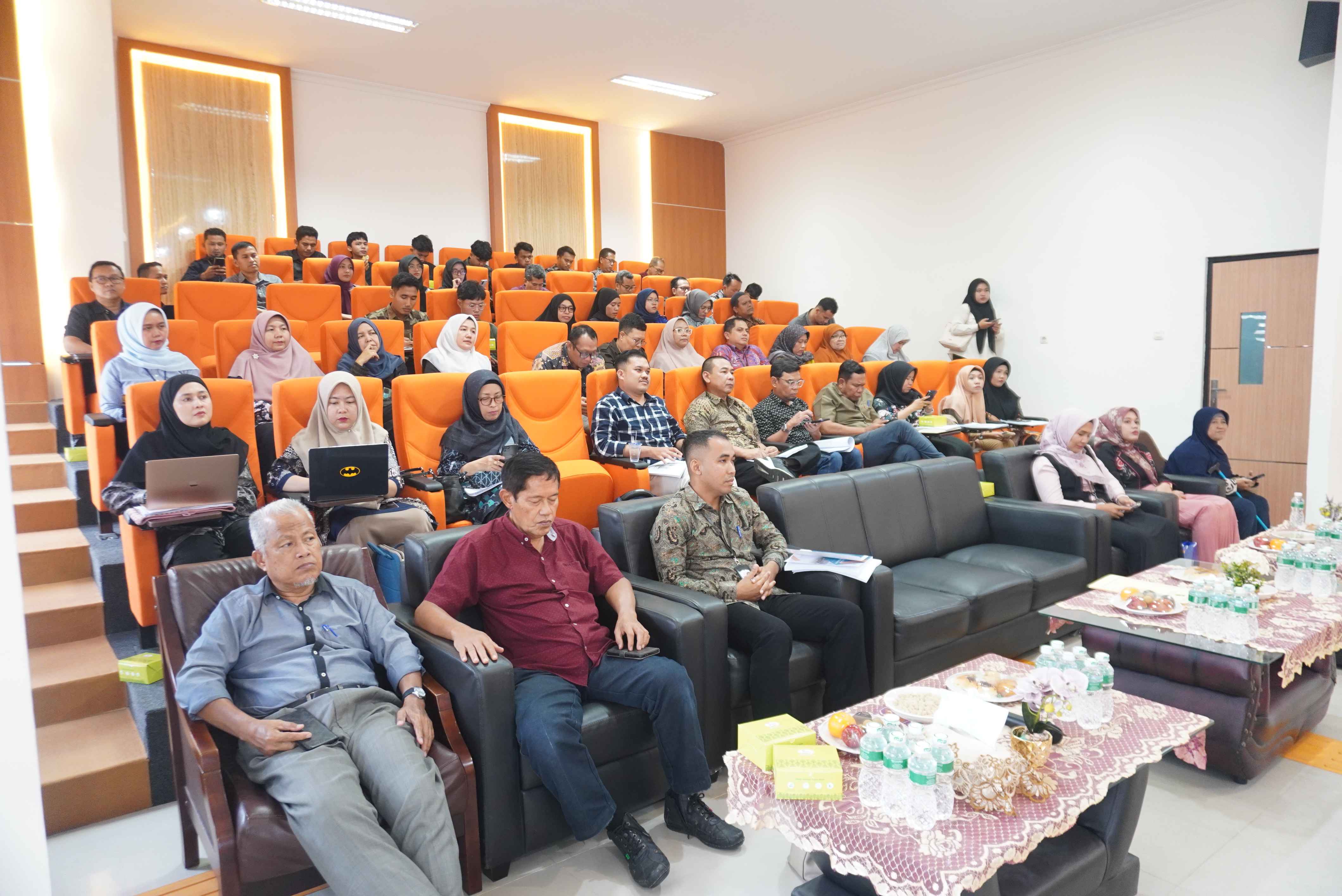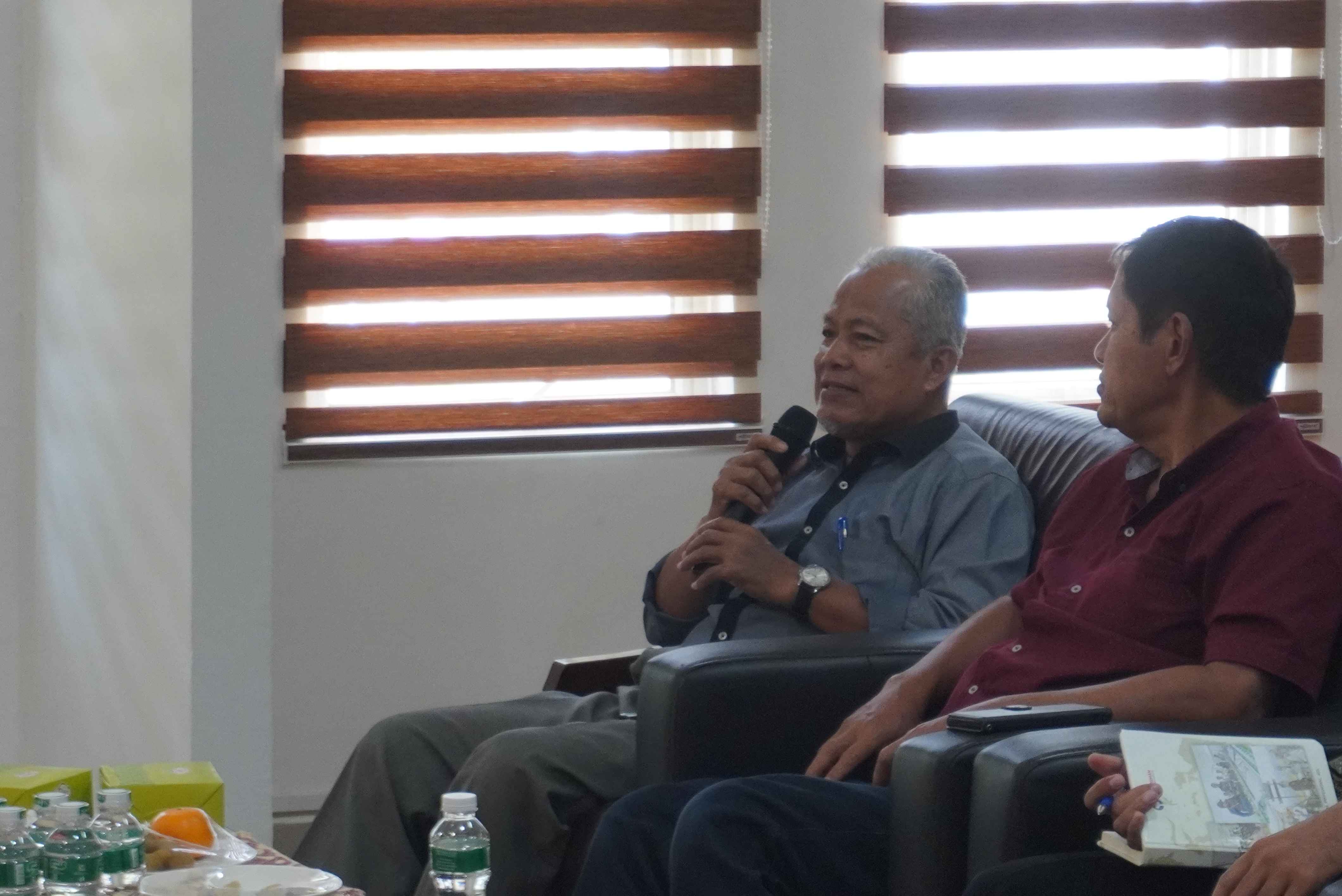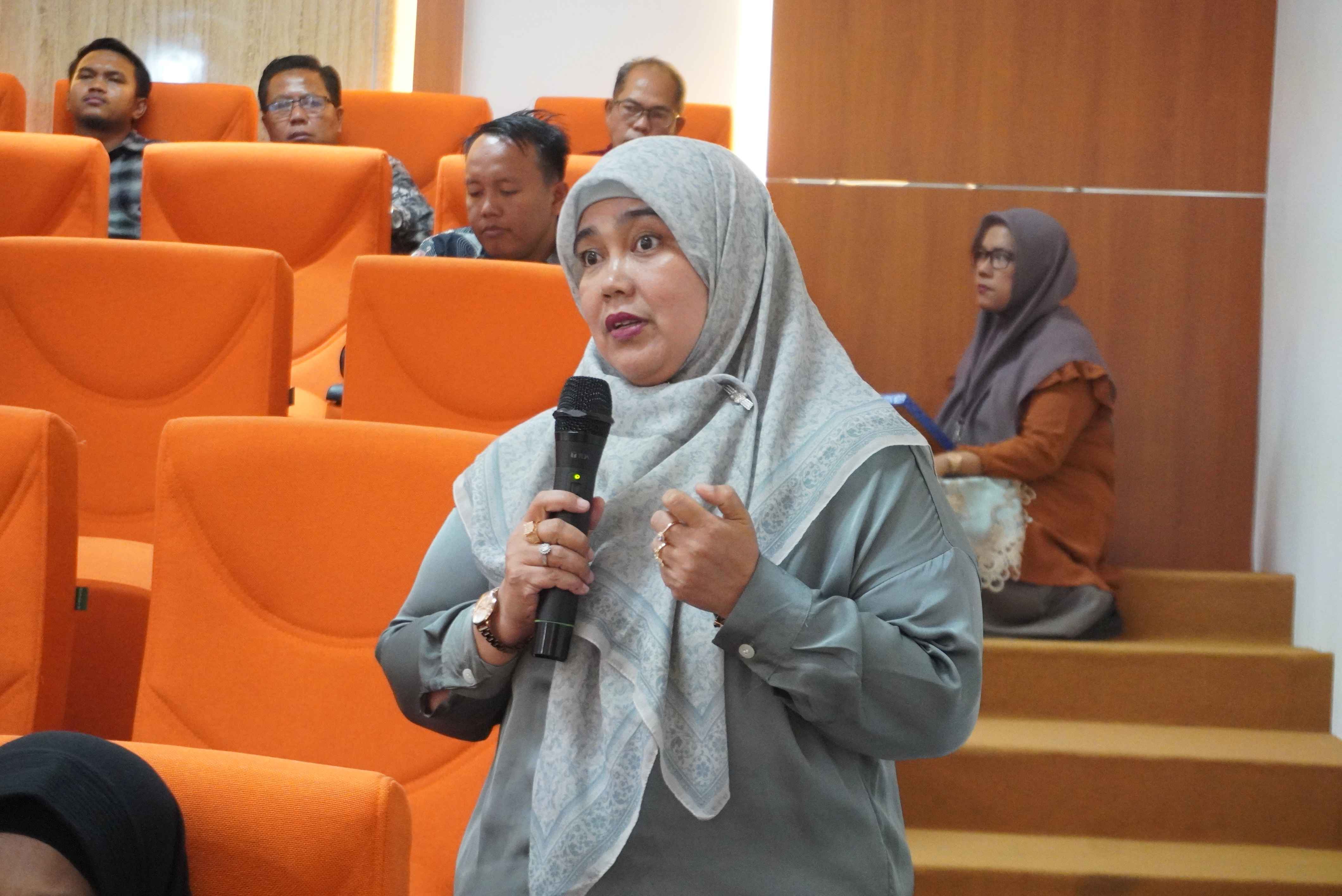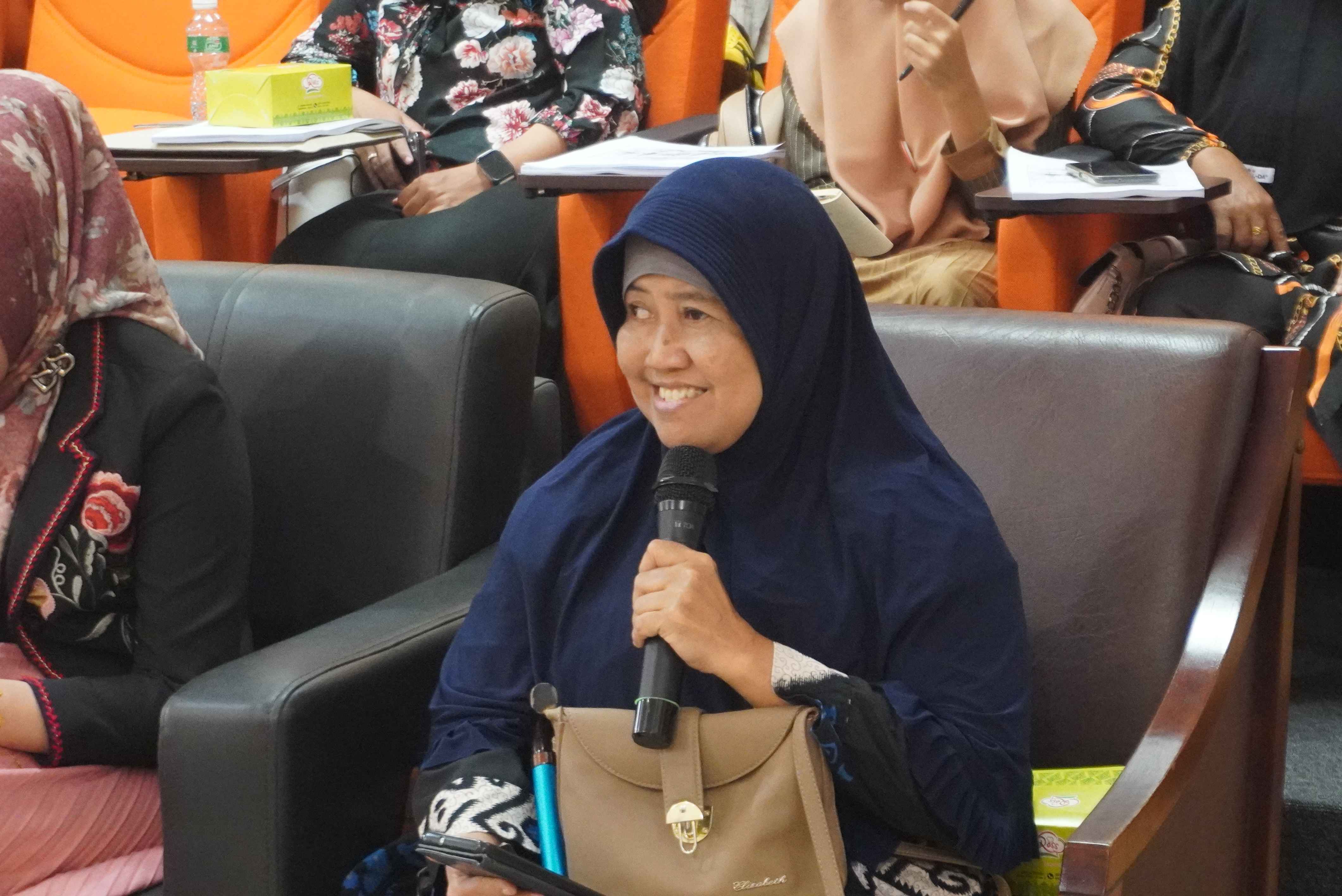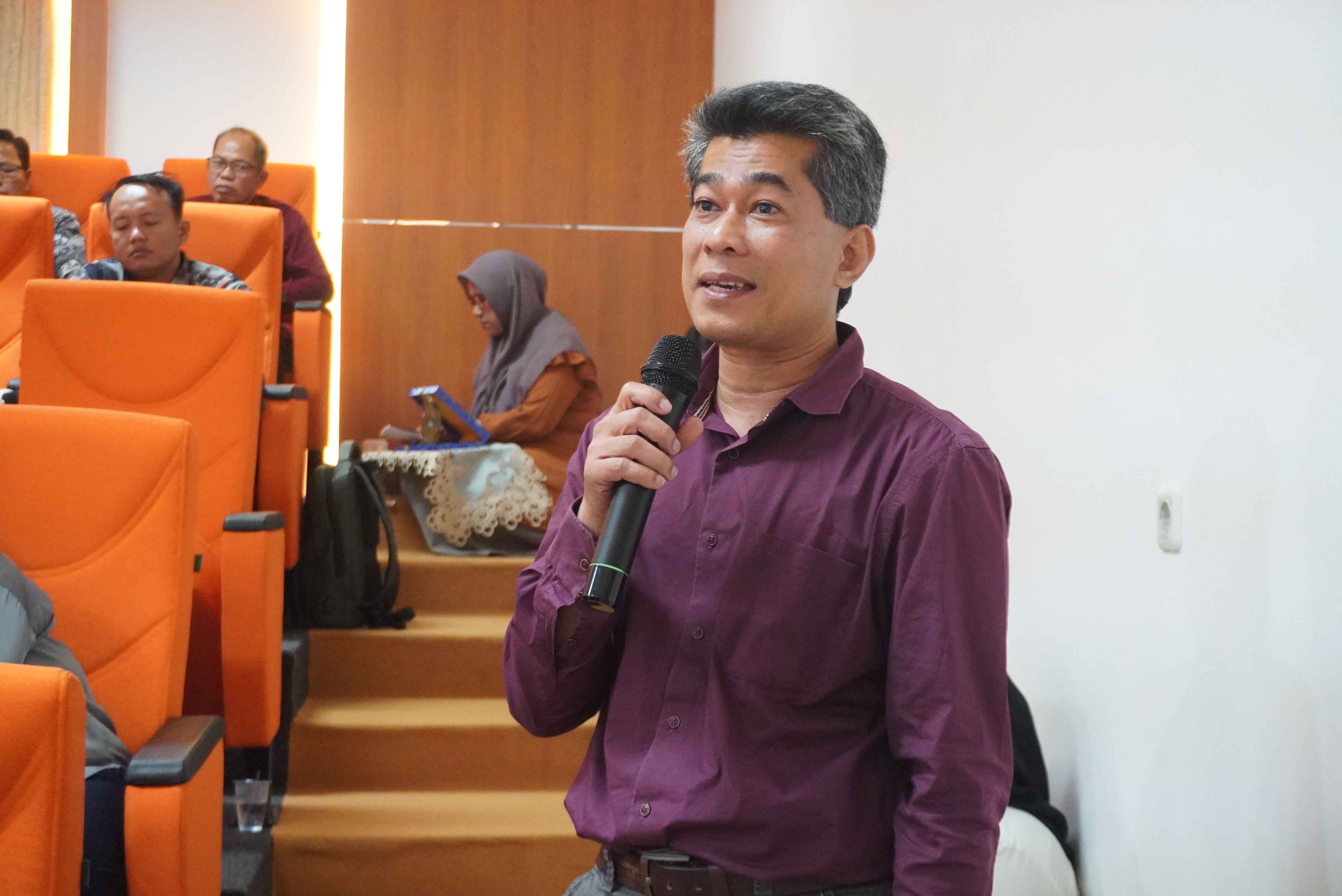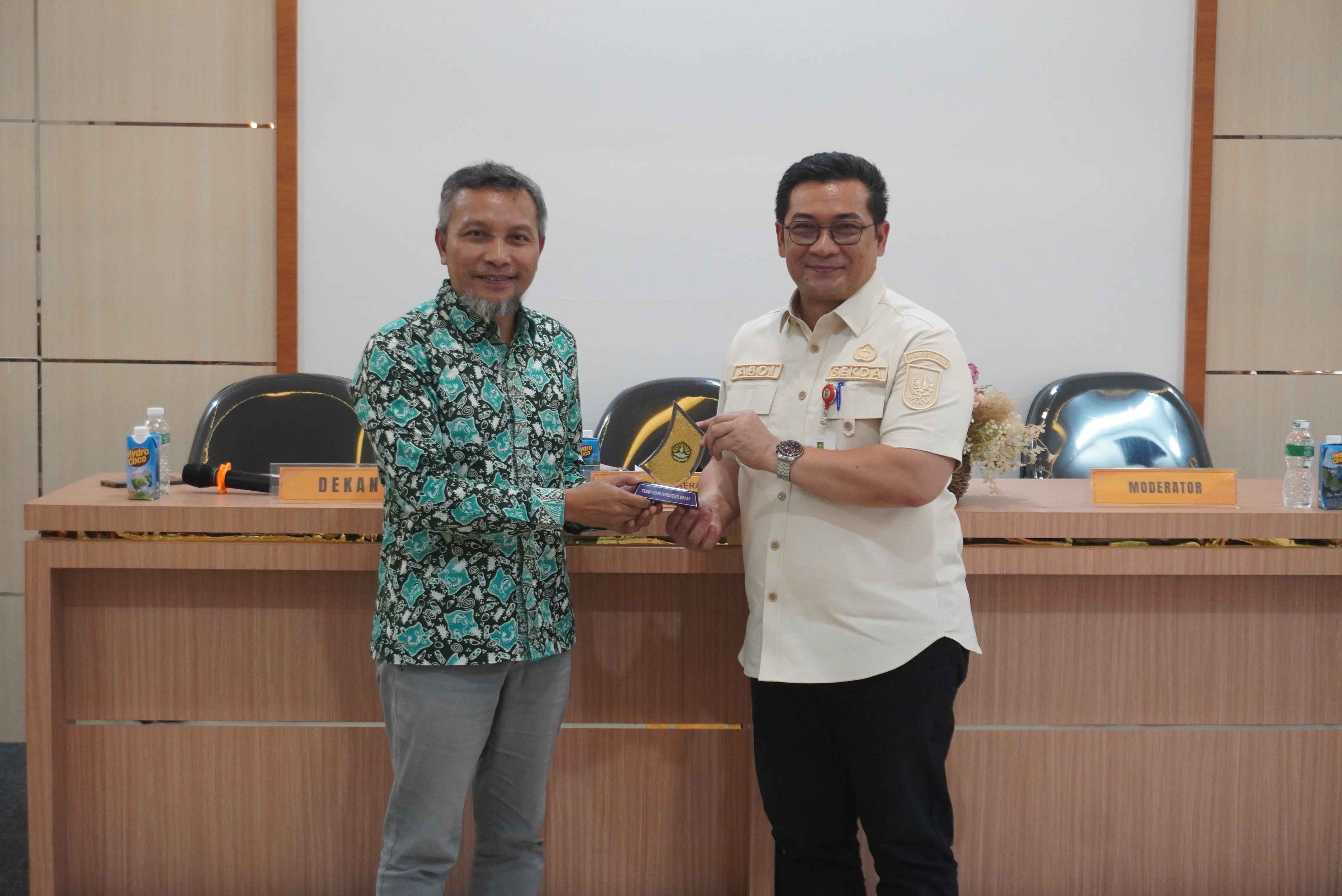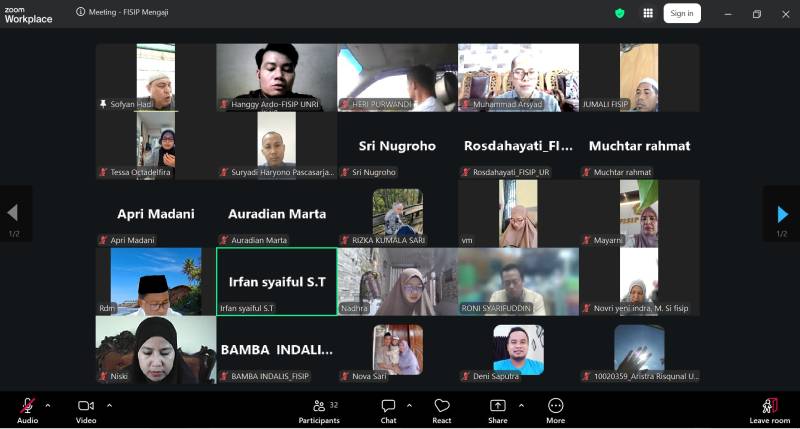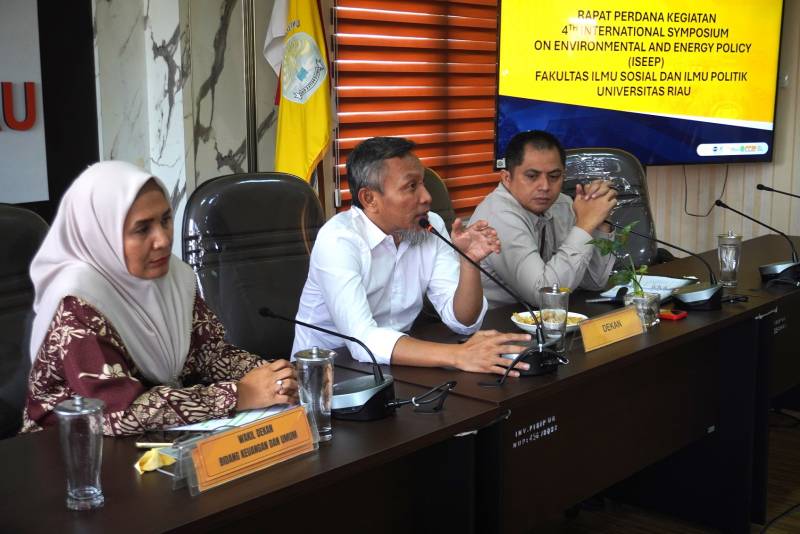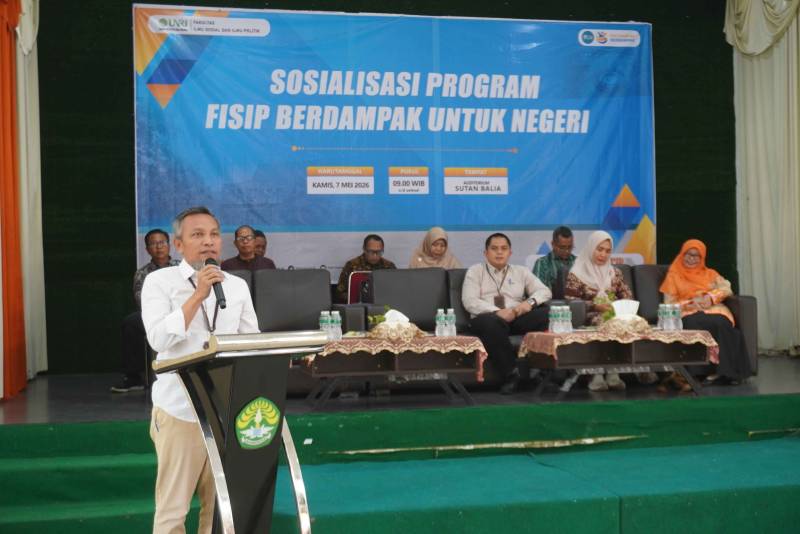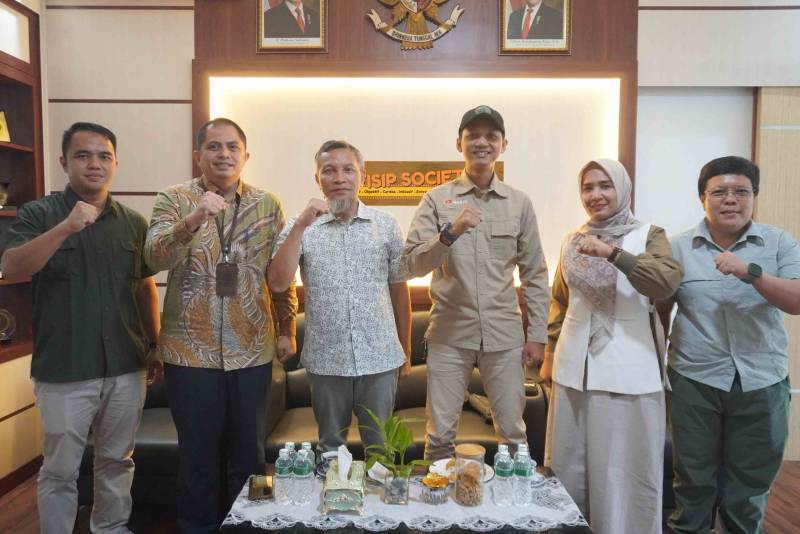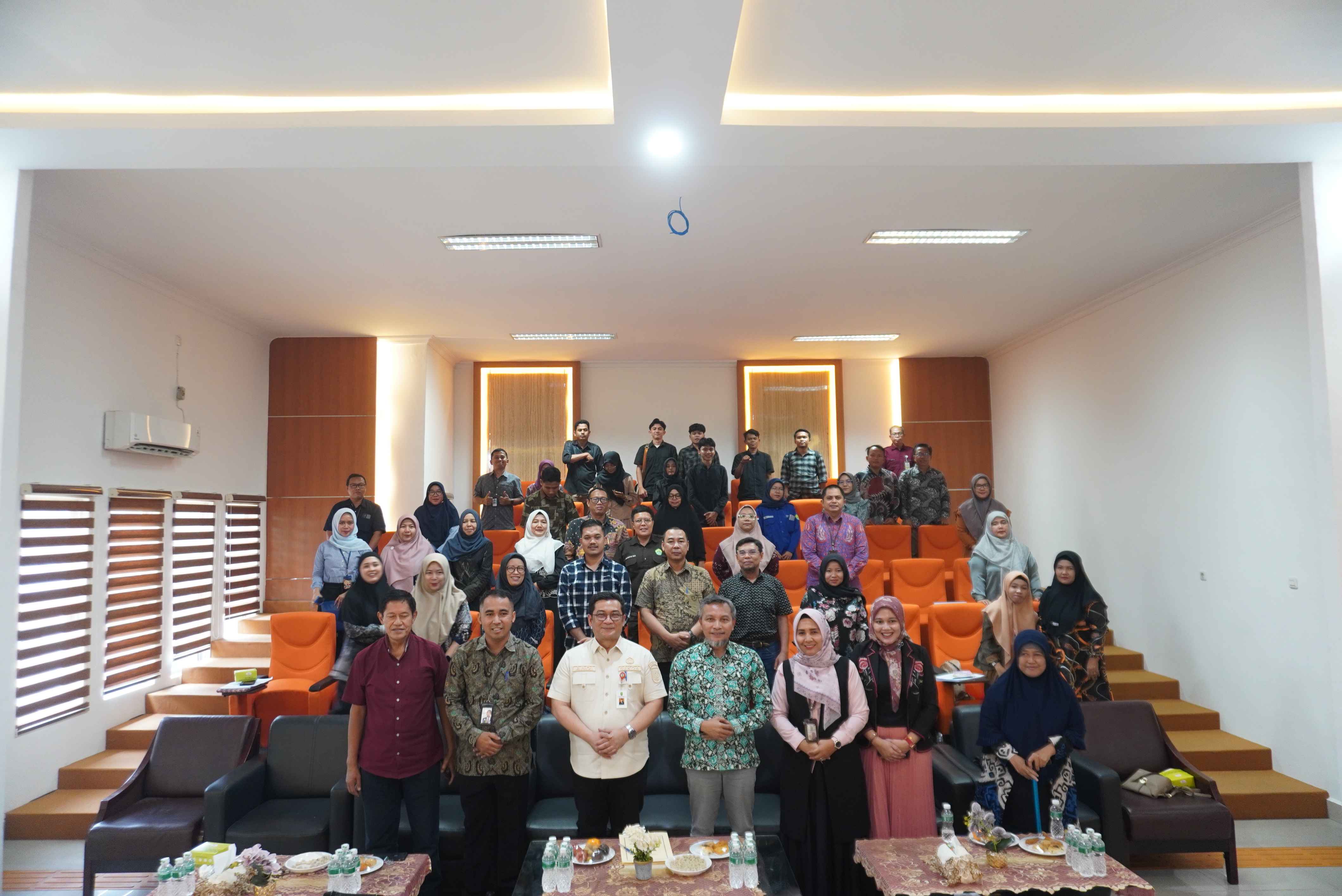
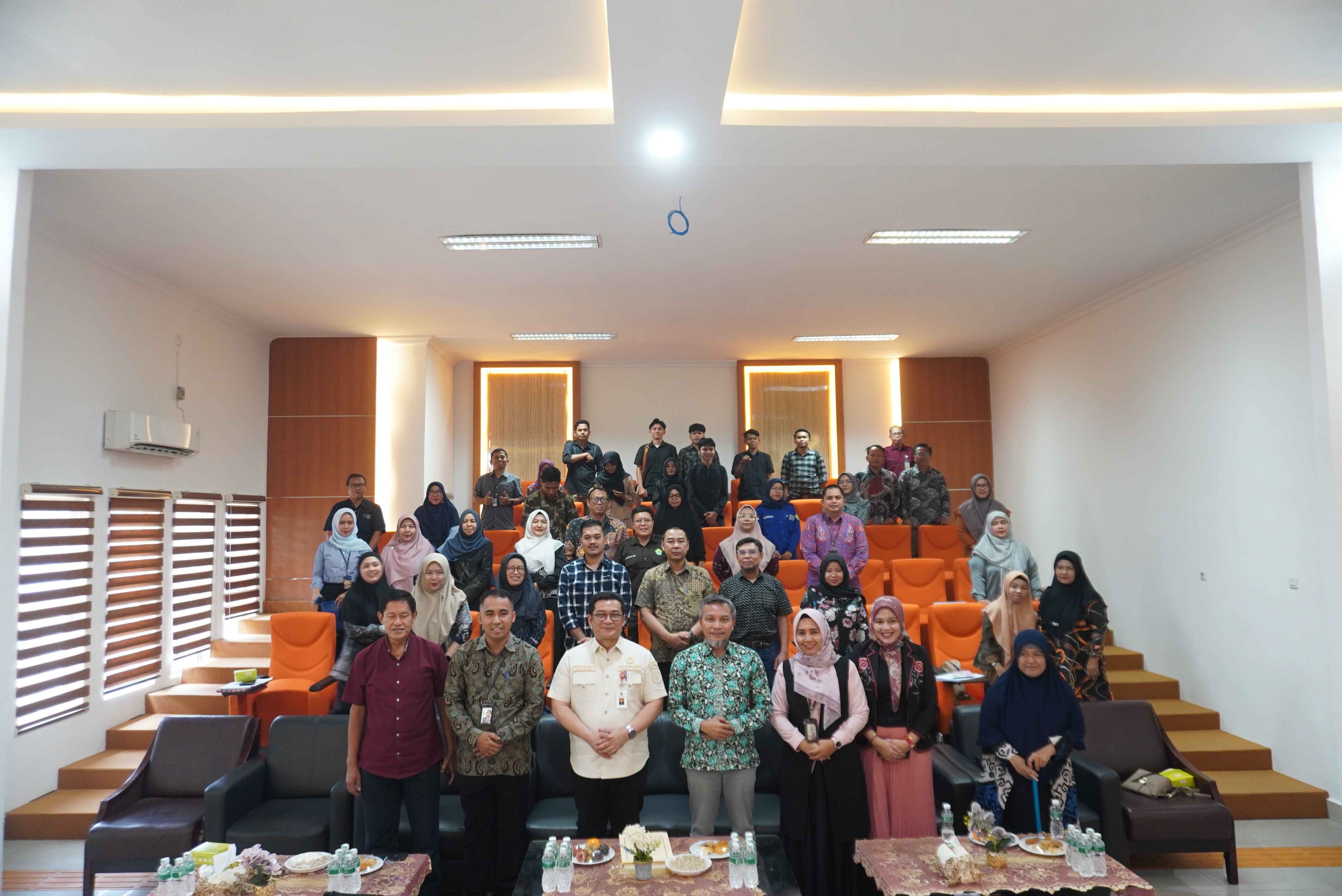
Pekanbaru, 27 January 2026 — The Faculty of Social and Political Sciences, Universitas Riau (FISIP UNRI), held a Public Consultation Forum (FKP) as part of efforts to strengthen public service standards that are more transparent, responsive, and user-oriented. The event took place at the Studio Classroom, 2nd Floor of the FISIP UNRI Graduate Building, on Tuesday (27/1/2026), starting at 1:30 p.m. WIB.
The FKP was organized to gather input, suggestions, and recommendations from stakeholders, while also ensuring that FISIP UNRI’s services become increasingly effective, accountable, and aligned with the needs of service users.
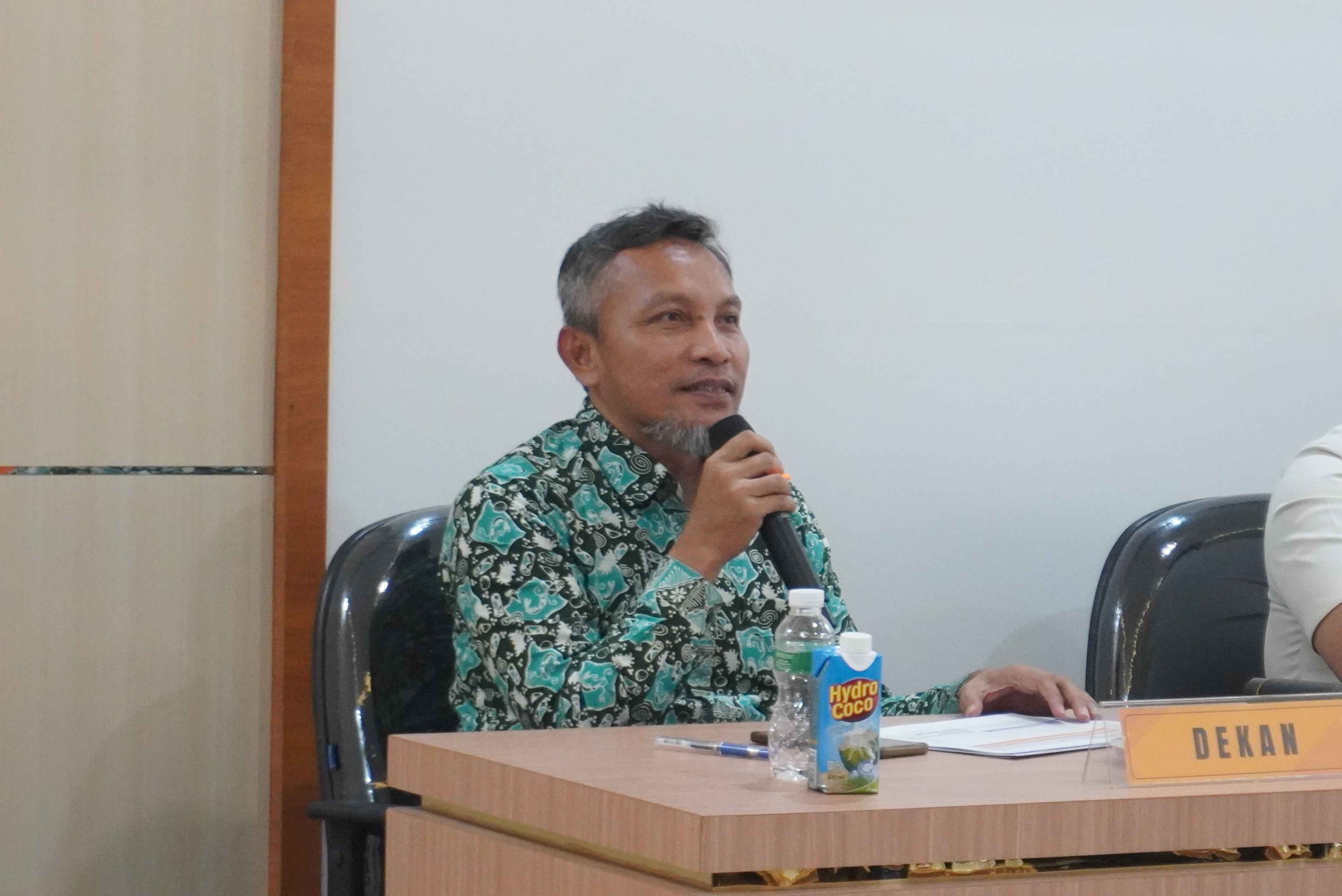
In his opening remarks, the Dean of FISIP UNRI, Dr. Meyzi Heriyanto, S.Sos., M.Si., emphasized that the forum was not merely ceremonial, but a measurable and participatory mechanism for service improvement. “We position this FKP as an open space to listen to the public. Service standards must continue to be improved to become faster, clearer, and more accessible. Participants’ input will serve as the basis for follow-up action plans and the enhancement of service quality at FISIP UNRI,” said Dr. Meyzi.
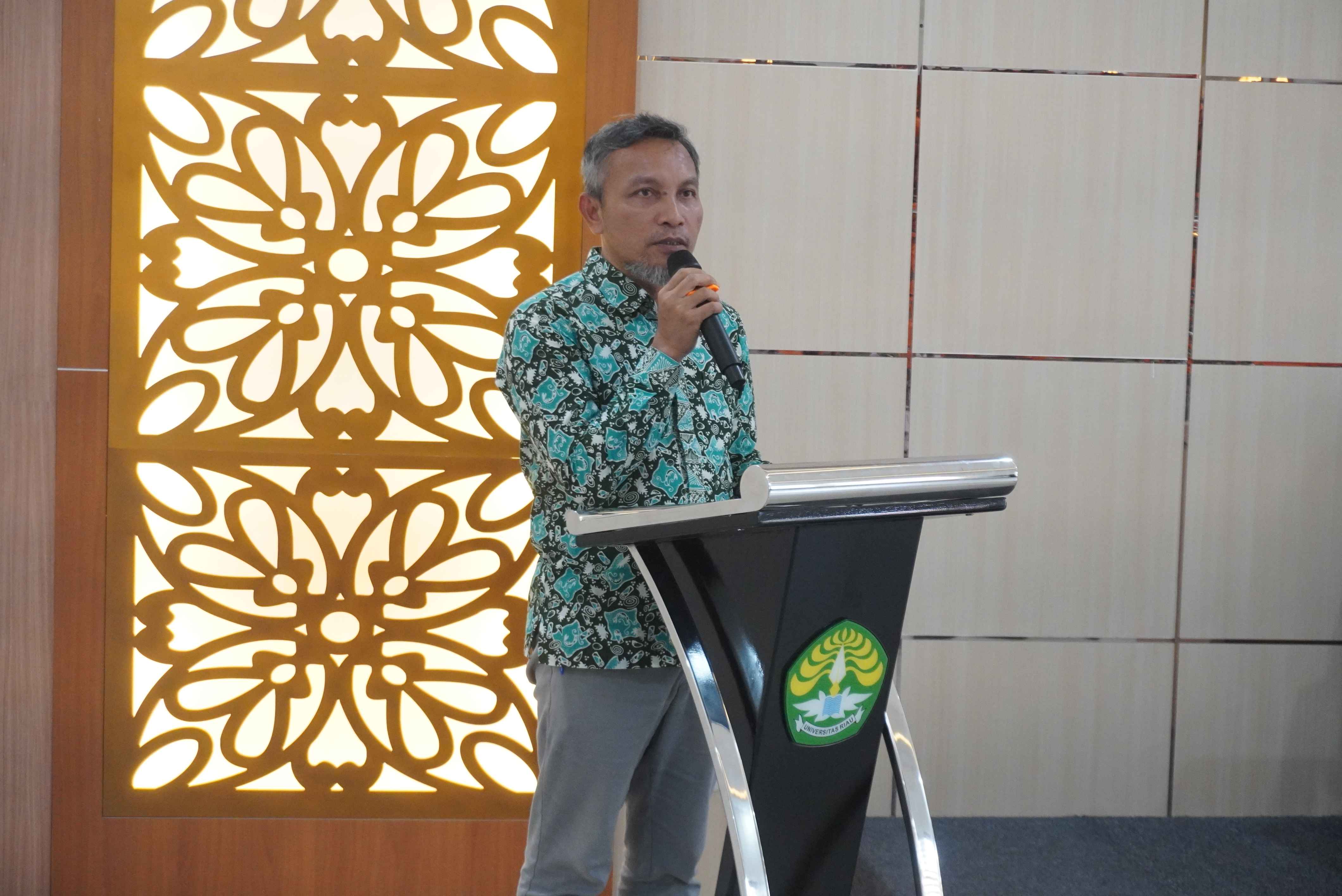
On the same occasion, Dr. Meyzi outlined the strengthening of FISIP UNRI’s Public Service Standards, which have been continuously refined through clearer definition of service types, requirements, service flows, completion times, and easily accessible service channels. He stressed the importance of service information certainty through service charters, the reinforcement of SOPs and operational standards within service units, and the optimization of complaint management mechanisms so that every input can be addressed promptly and properly documented. In addition, FISIP UNRI also promotes an evaluation culture through satisfaction surveys or the Community Satisfaction Index (CSI) and data-driven continuous improvement.
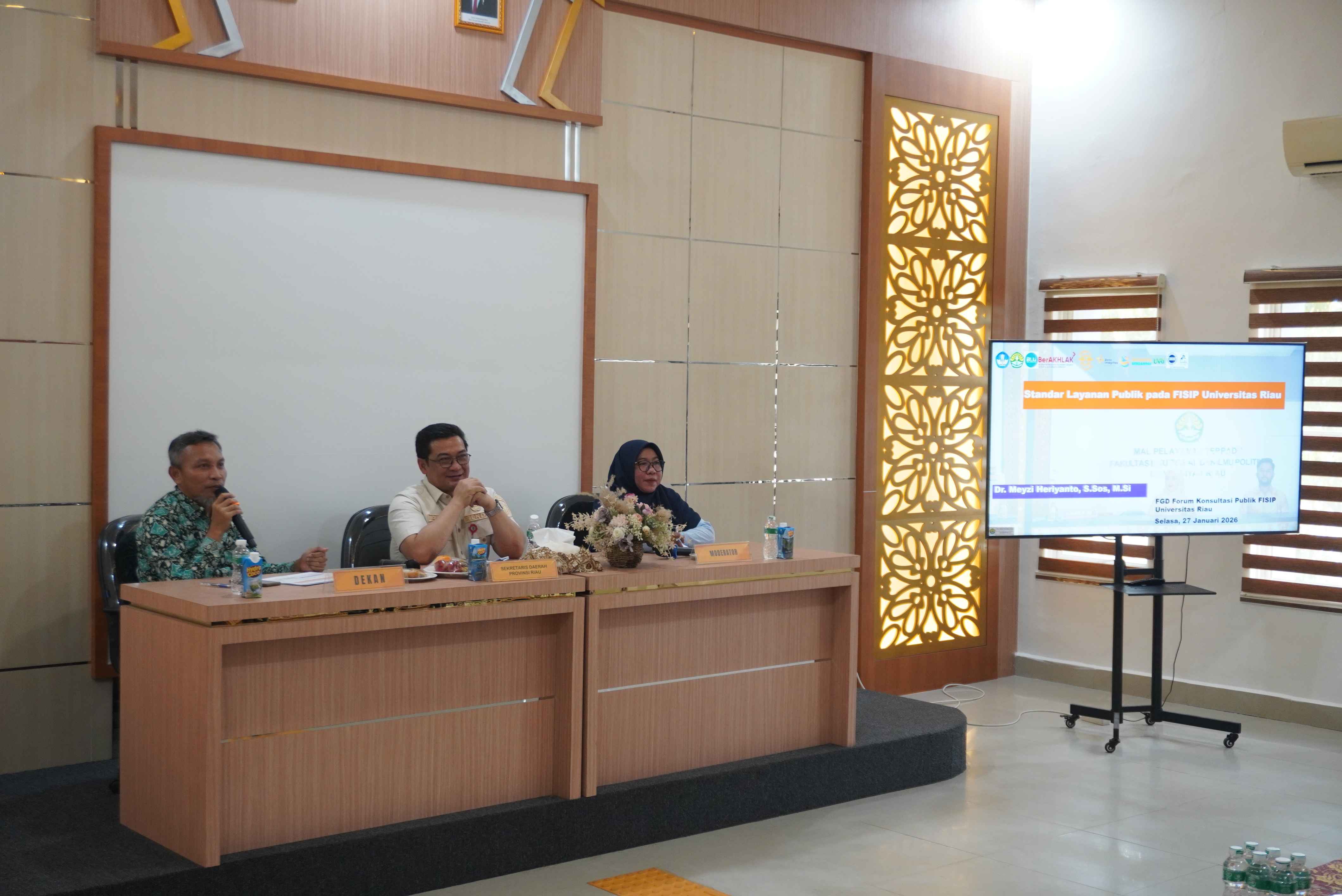
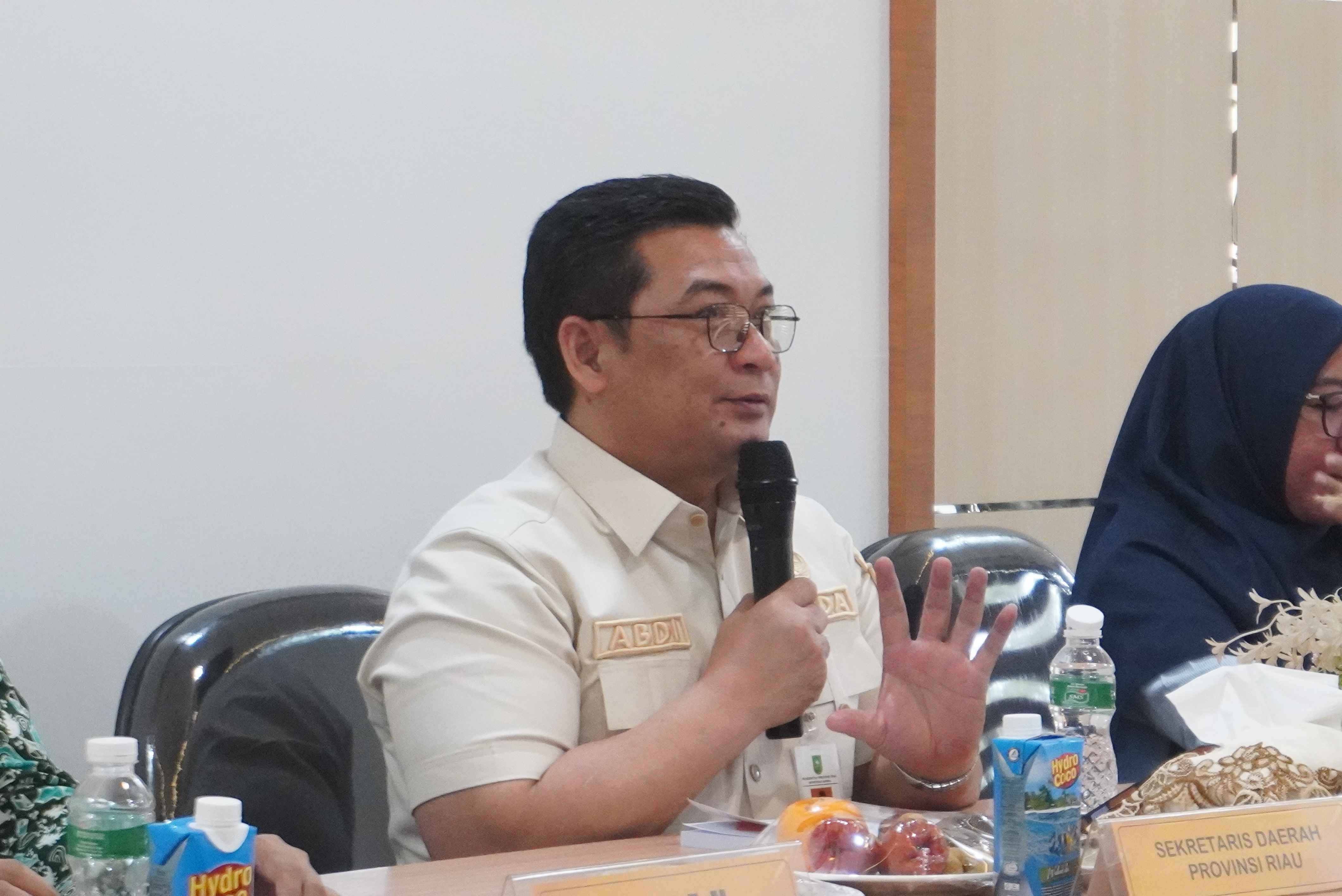
The forum featured a keynote speaker, Dr. H. Syahrial Abdi, A.P., M.Si., Secretary of the Riau Provincial Government, who highlighted the importance of public service quality as a driver of trust and effective governance, including within higher education institutions. In his presentation, Syahrial linked service strengthening with the long-term development agenda of the Golden Indonesia Vision 2045, the strategic policy direction of Asta Cita 2025–2029, and the need for data-driven decision-making, including the use of social indicators such as poverty data from Statistics Indonesia (BPS) as a reflection of regional development challenges. “Good service standards are not only written down, but understood and implemented consistently. Process transparency, speed of response, and user orientation are key. When public services are strong, trust increases and development programs are more likely to have an impact,” Syahrial emphasized.
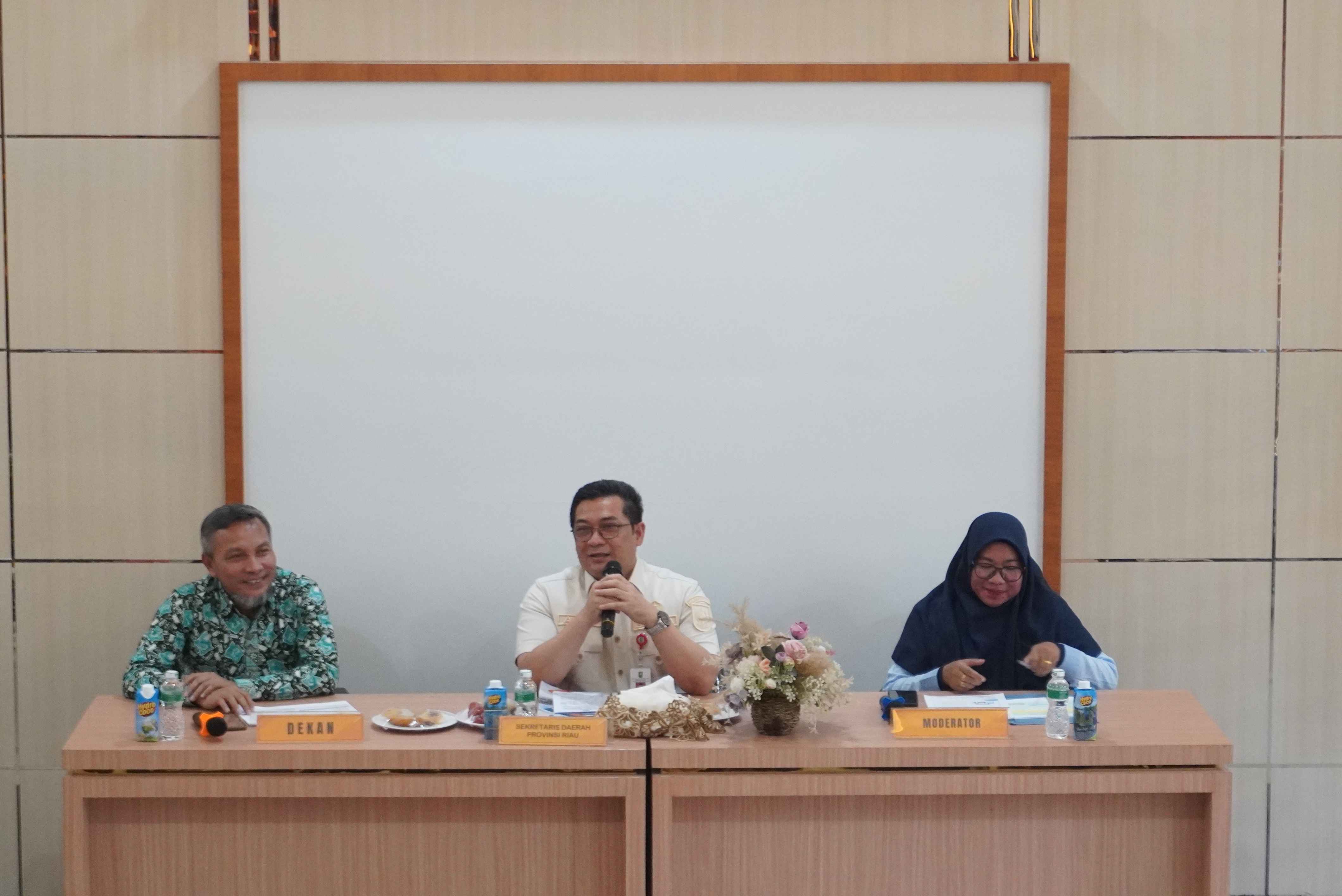
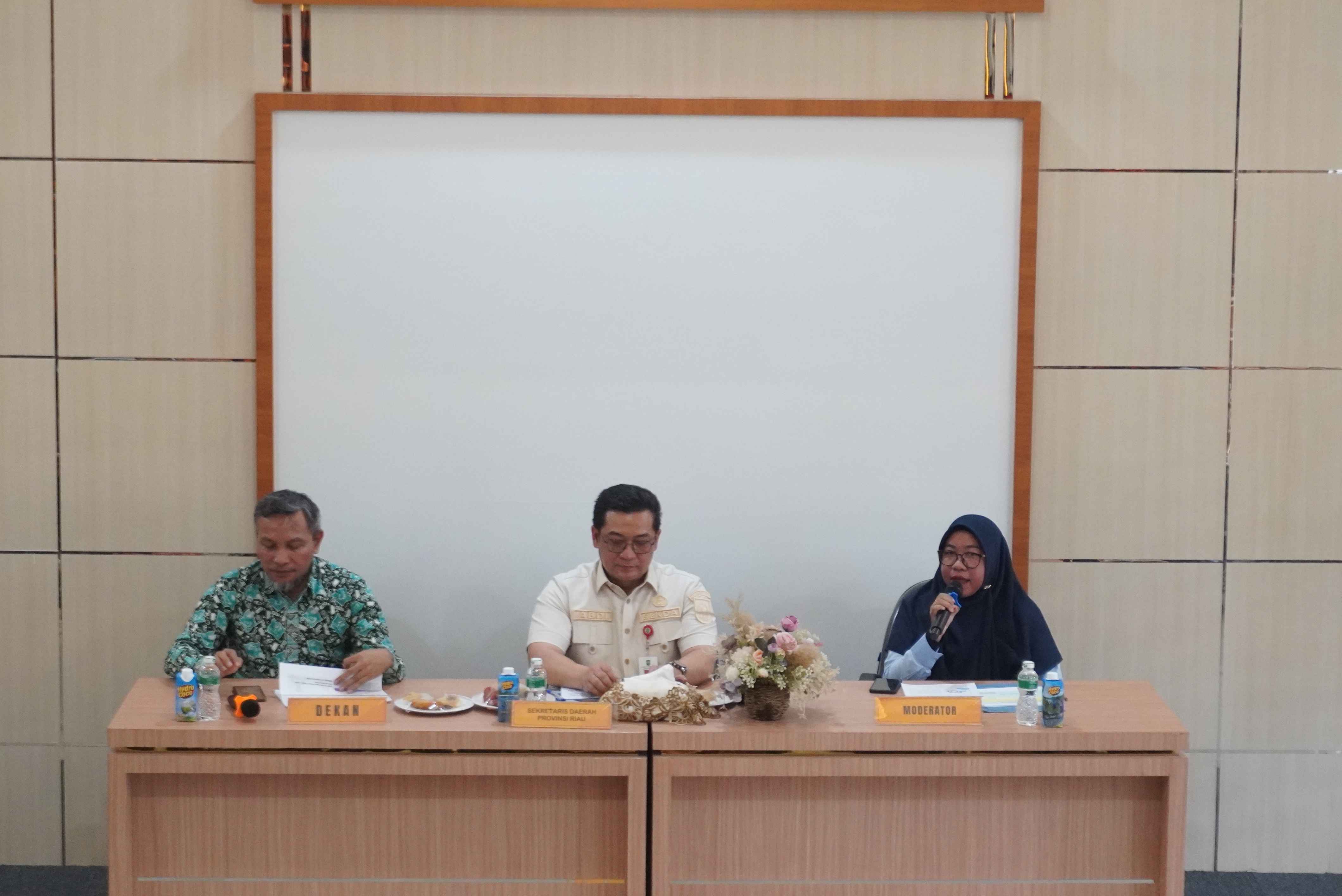
In the main session, participants took part in group discussions or FGDs based on service clusters, moderated by Dr. Dian Kurnia Anggreta, M.Si. The FGD results were then presented in a plenary session to formulate recommendations, followed by the endorsement of the FKP outcomes and follow-up action plans as a commitment to service improvement.
Through this forum, FISIP UNRI reaffirmed its commitment to building campus public services that are more open, measurable, and adaptive to the needs of the academic community and the wider public. (RIRY, Photo: Enggy)